Are we in for a summer of serial heatwaves?


Are we in for a summer of serial heatwaves?
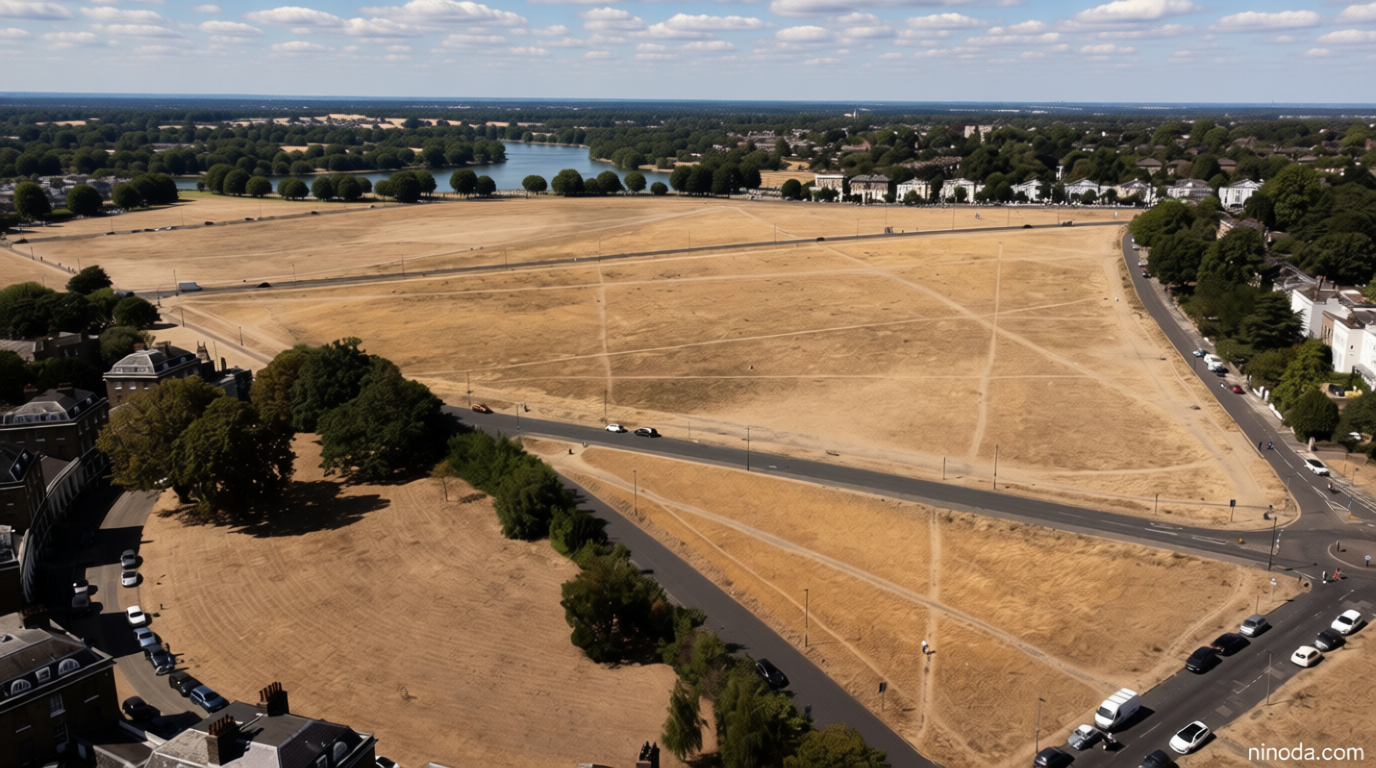
Ninoda.com – In recent weeks, the UK has faced two consecutive heatwaves, breaking temperature records that have stood since 1911. This marks an unusual pattern, as the country typically experiences its peak warmth in late July and August. Despite the current June heatwave showing signs of easing by the weekend, experts warn that the summer may bring more extreme weather events.
Weather conditions underwent a dramatic shift since May, when a persistent high-pressure system—referred to as a ‘heat dome’—prevailed across the UK, delivering dry, sunny, and unusually warm conditions. This led to the setting of a new May record temperature of 35.1°C in Kew Gardens, London. However, June began with a contrasting scenario, as low-pressure systems from the Atlantic delivered cooler and wetter weather, with most of the month’s rainfall occurring in the first half.
As meteorological summer kicks off, forecasters have highlighted an elevated risk of heat spikes. The Met Office’s three-month outlook, issued on June 1, indicated a greater likelihood of hotter-than-average conditions in June. According to MeteoGroup, who supply data to BBC Weather, “few notable high temperature spikes” are expected throughout the summer. These predictions have so far aligned with observed trends, as a red extreme heat warning was activated this week across south-east Wales and southern England.
Climate change intensifying heat extremes
Dr. Theodore Keeping, a wildfire researcher at Imperial College London, emphasized that climate change is “settled” in its impact on worsening heatwaves. “Continued fossil-fuel emissions are directly responsible for the disruption people are experiencing this week in their homes, schools, and workplaces,” he stated. Schools were forced to close, and transport networks faced strain as temperatures soared.
“Unless we drastically cut down the emission of greenhouse gases, global warming is not going to stop. In fact, it will accelerate,” said Dr. Akshay Deoras, a senior climate scientist at the University of Reading.
The Met Office notes that a hotter summer is now twice as likely compared to the 1991-2020 period, reflecting the ongoing warming climate. With the first UK temperature above 40°C recorded in July 2022—when Coningsby, Lincolnshire hit 40.3°C—the possibility of mid-40s heat by 2050 is considered serious by projections.
El Niño, the climate phenomenon that raises global temperatures, has been officially declared in the Pacific. This event, occurring every two to seven years, typically boosts temperatures by 0.2°C and could become particularly strong, sometimes labeled as ‘super El Niño,’ according to the US Climate Prediction Center. A strong El Niño is defined by sea surface temperatures in the central tropical Pacific being +1.5°C above the long-term average, a condition last seen during 2015-16, which contributed to 2016 becoming the hottest year on record.