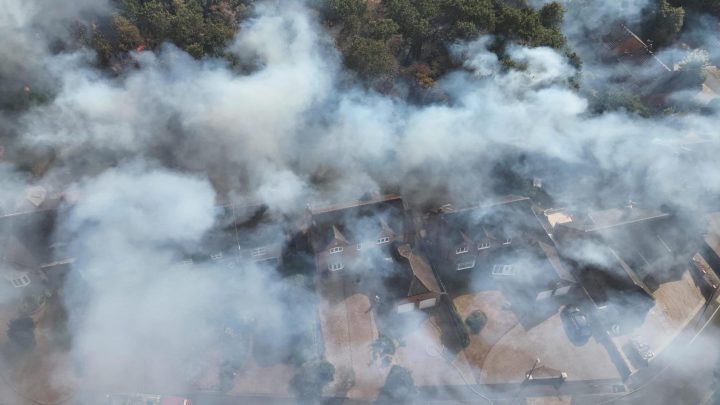
Wildfires and record dry conditions trigger drought in parts of Wales

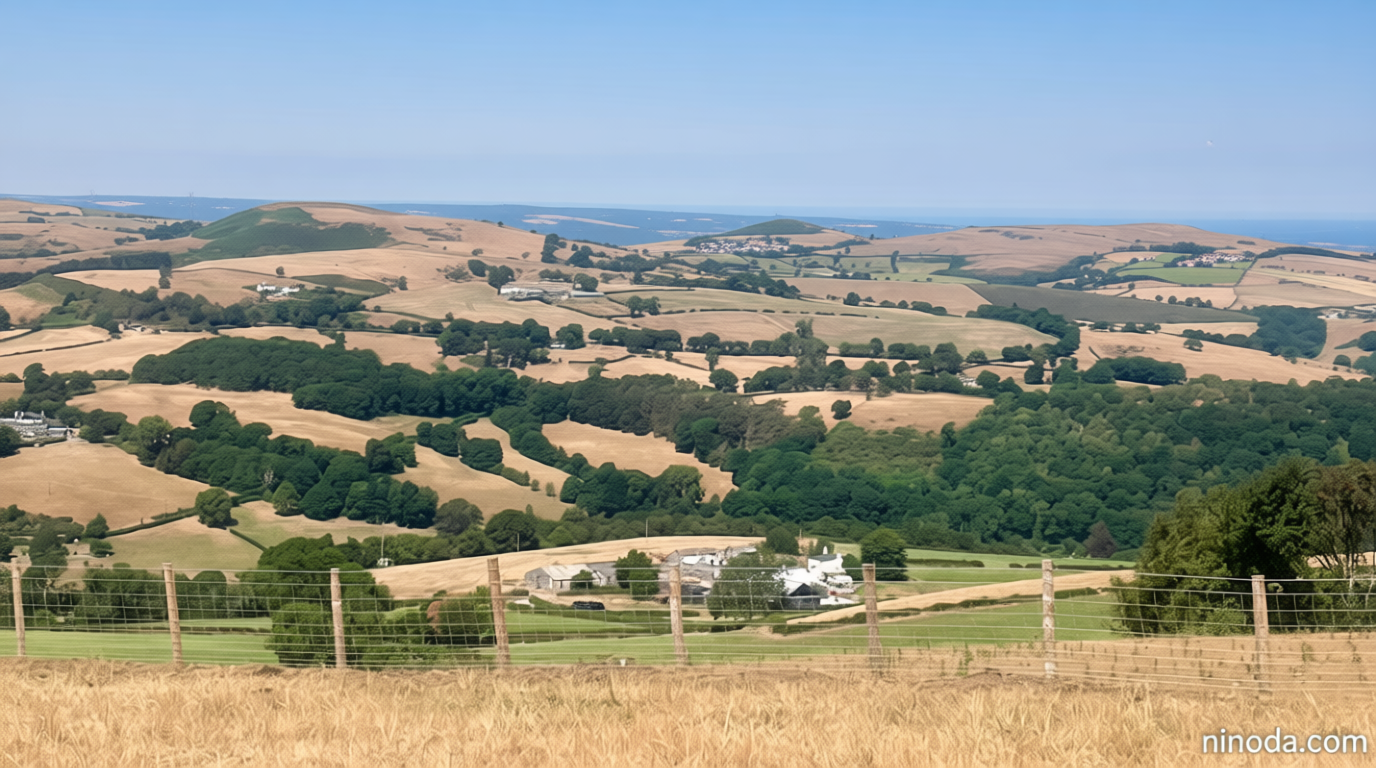
Wales Declares Drought Status Amid Record Dry Spell and Wildfires
Ninoda.com – Natural Resources Wales (NRW) has officially confirmed that drought conditions have taken hold across several regions of the country. This marks the first time any part of the United Kingdom has received a drought status announcement during the current summer season. The declaration follows a combination of widespread wildfires, river levels nearing historic minimums, and the cumulative effects of multiple consecutive heatwaves.
Rainfall Deficit and Affected Regions
According to NRW data, Wales has received approximately five percent of its typical July precipitation. This severe deficit comes after an unusually dry period spanning April through June, followed by a series of back-to-back heat events. The areas currently under drought status include North Gwynedd, South Gwynedd, Ynys Môn (commonly known as Anglesey), along with the Dee, Clwyd, and Upper Severn river catchments.
The river Elwy in Denbighshire ranks among those experiencing critically low water levels. Last week, NRW had already elevated north and south-east Wales to “prolonged dry weather” classification, which serves as an initial stage toward formal drought designation. This preliminary status prompted enhanced surveillance of waterways and critical wildlife habitats, alongside guidance for agricultural operations and other water-dependent users.
Environmental and Agricultural Impacts
Afonydd Cymru, the organization representing Wales’ river trusts, reported that diminished river flows are creating “significant problems” for aquatic ecosystems. Fish populations and other wildlife species are being affected, while farming unions have cautioned about crop failures and livestock suffering from heat stress.
The regulator determined that the threshold for drought declaration has been met across northern and portions of mid Wales. This assessment was based on exceptionally low river and groundwater measurements, parched soil conditions, and documented impacts on wildlife, agriculture, and forestry sectors. Meanwhile, the remainder of mid and southern Wales remains classified under “prolonged dry weather” status.
“The prolonged period of hot, dry weather we have experienced this summer is now having serious impacts on the environment across parts of Wales.”
Historical Context and River Systems
If substantial rainfall fails to materialize before the month concludes, July is projected to become the driest on record for Wales in nearly 190 years. Rivers designated as exceptionally low include the Clwyd, Alwen, Alyn, Clywedog, Dyfi, and Conwy in northern Wales, as well as the Wye, which traverses mid Wales and extends southward along the English border.
Additional water is being discharged from reservoirs to maintain flows on the Clwyd and Wye rivers, as well as the Severn in south-east Wales and the Dee in north-east Wales. Much of the country has experienced weeks without any measurable precipitation.
“We have seen rivers fall to exceptionally low levels, groundwater continuing to decline and increasing reports of environmental impacts affecting wildlife, fisheries, farming and sensitive habitats.”
Expert Commentary
Rhian Thomas, NRW’s sustainable water and nature manager, emphasized the visibility of current conditions. She noted that recent wildfires across north and south-east Wales represent “one of the clearest and most visible signs of how dry our landscapes have become.”
“While drought status does not automatically mean water shortages for customers, it does reflect the growing pressure being placed on our environment,” Thomas said. “We are asking everyone to play their part by using water wisely and helping to protect Wales’ natural resources during this exceptionally dry period.”
Understanding Environmental Drought
An environmental drought develops when extended periods without rainfall combined with elevated temperatures create severe stress on natural ecosystems. According to NRW, this phenomenon produces critically low river flows, reduced reservoir capacity, and exceptionally depleted groundwater levels. These conditions negatively affect wildlife, fisheries, and protected habitats before agricultural consequences or public water shortages typically emerge.
Key impacts include shrunken rivers with decreased oxygen levels and increased water temperatures that restrict species migration, such as salmon movements. Reduced water levels also cause riverbeds to dry, resulting in biodiversity loss and fish kills. Additionally, natural springs and private boreholes may run dry, creating pressures on private water supplies.
“The lack of rainfall and decline in river flows is really starting to exacerbate water quality,” said Gail Davies-Walsh, chief executive of Afonydd Cymru. “We’ve already had a couple of rivers that have dried.”
When environmental drought conditions are identified, NRW frequently transitions regions to “prolonged dry weather” status. This classification triggers enhanced waterway monitoring, restricts water abstraction licenses to safeguard low flows, and initiates additional reservoir releases into rivers. Although rain is forecast for the weekend, experts caution that river systems will require considerable time to fully recover.