Heatwave anxiety can make you feel ‘incredibly helpless’ – here’s how to manage it

Heatwave Anxiety Can Make You Feel Helpless: How to Cope
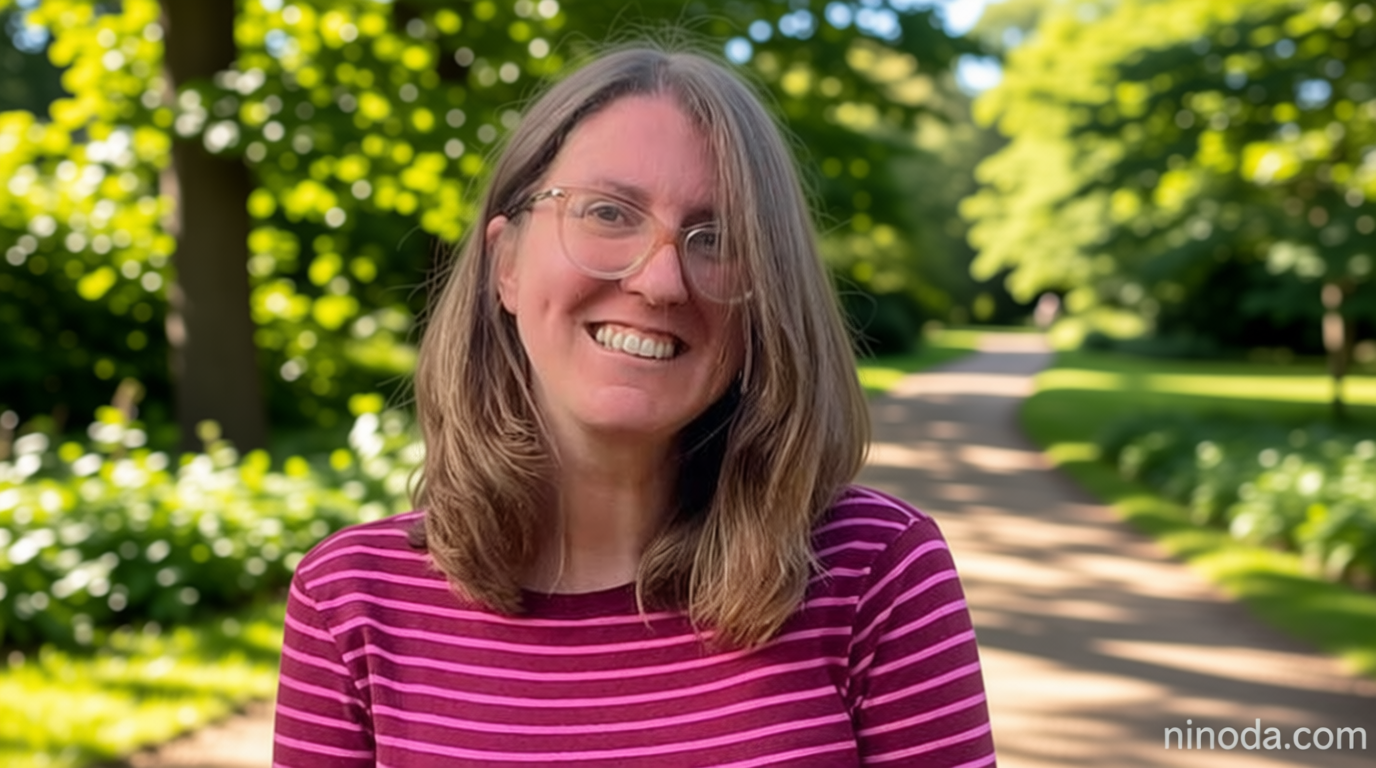
Ninoda.com – Heatwave anxiety can make you feel incredibly helpless, especially when temperatures soar to record levels. Tavia Watts, a 36-year-old mother from Cheltenham, experienced this firsthand during England’s hottest June on record. With her two young children aged two and five, she described feeling as though “the world is literally ending” when bedroom temperatures climbed above 30C.
Speaking to the BBC, Watts explained how extreme heat intensified her daily struggles. “During the heatwave, I’ve got a high level of anxiety all the time and I’m pretty much useless,” she shared. The discomfort became so overwhelming that she had to step away from bedtime story time with her husband, retreating to cry and compose herself because the room felt unbearable.
A Viral Moment of Connection
Feeling “incredibly helpless,” Watts recorded a brief video for her Instagram followers. In the clip, the stay-at-home mother expressed her fears for her children’s wellbeing and her frustration with those who seemed unconcerned about the crisis. To her astonishment, the post resonated widely, accumulating over 18,000 likes and 1,700 shares.
Watts is far from isolated in her feelings. Research conducted by the University of Bath in 2022 revealed that approximately 4.6% of the UK population experiences climate anxiety—a condition acknowledged by both the NHS and professional organizations. A more recent 2025 study identified young people and women as particularly vulnerable groups.
Understanding Anticipatory Anxiety
Psychologists Dr Caroline Hickman from the University of Bath and Dr Emma Lawrance from the University of Oxford have observed a rise in “anticipatory anxiety” linked specifically to heatwaves. Hickman, who provides therapy for climate-related distress, explained the phenomenon to the BBC.
“Once people have been through a traumatic event like a flood or a heatwave, they anticipate the next one,” she noted.
With repeated heatwaves becoming the norm in the UK, Hickman observed that people develop a sense that “I can’t be safe in the world, and the world can’t be trusted.” During June’s extreme temperatures, she encountered individuals contemplating drastic measures—from ending their lives to terminating pregnancies or relocating to cooler regions.
Turning Fear Into Action
Watts found that her video “clearly struck a chord with people,” including fellow therapists who shared their own coping strategies. She believes there are two potential responses to climate anxiety: succumbing to “doomism” or taking meaningful steps.
“You can either just fall into doomism and think, ‘What is the point?'” Watts said. “Or you can try to do something.”
She has responded by signing petitions during hot spells, organizing community climate events, and running a free children’s clothing exchange. Additionally, she adopted a vegetarian diet during the previous heatwave, noting, “I can tell my kids at least I tried.”
Other Voices of Concern
Lizzie Ellen, a 38-year-old from west London, experienced similar emotions. Though she first learned about climate change in school and initially felt the threat was distant, recent scorching temperatures have left her “obsessively” researching the situation and monitoring weather forecasts.
Having recently given birth to her first child, Ellen described feeling both isolated and anxious about maintaining a comfortable environment for her baby. “With the baby, I’ve been staying indoors more, keeping on top of checking the temperature… so there’s that isolation,” she explained. She also expressed concern about the future, wondering if the June heat could become daily reality within her child’s lifetime.
Some individuals have made substantial lifestyle adjustments. Dr Francis Windram, an ecologist, relocated from Ascot near London to Lancaster in north-west England specifically for its cooler climate. He purchased a portable air conditioning unit as a precaution and remains worried about his father and grandparents, who live further south in Hertfordshire.
“We’re looking at 35C-plus heat in houses that were not designed for it,” Windram observed, highlighting the challenge of adapting older homes to increasingly extreme temperatures.