
Rushdi Abualouf: If Hamas disarmament plan holds, it could mark first credible step to ending Gaza war

Rushdi Abualouf Analysis: Hamas Disarmament Could Transform Gaza Peace Process
Ninoda.com – Rushdi Abualouf has emerged as a key figure in understanding the potential breakthrough in Gaza negotiations. After months of marathon talks, Hamas has, for the first time, accepted a framework of the Board of Peace’s plan to completely disarm in Gaza. This historic development, which Rushdi Abualouf has been closely monitoring, provides for the inventorying and storage of its remaining heavy weapons under Palestinian supervision. The move potentially removes the most significant obstacle to advancing the Trump-backed peace initiative for Gaza, marking what could be a turning point in the conflict.
Leadership Changes Drive Historic Decision
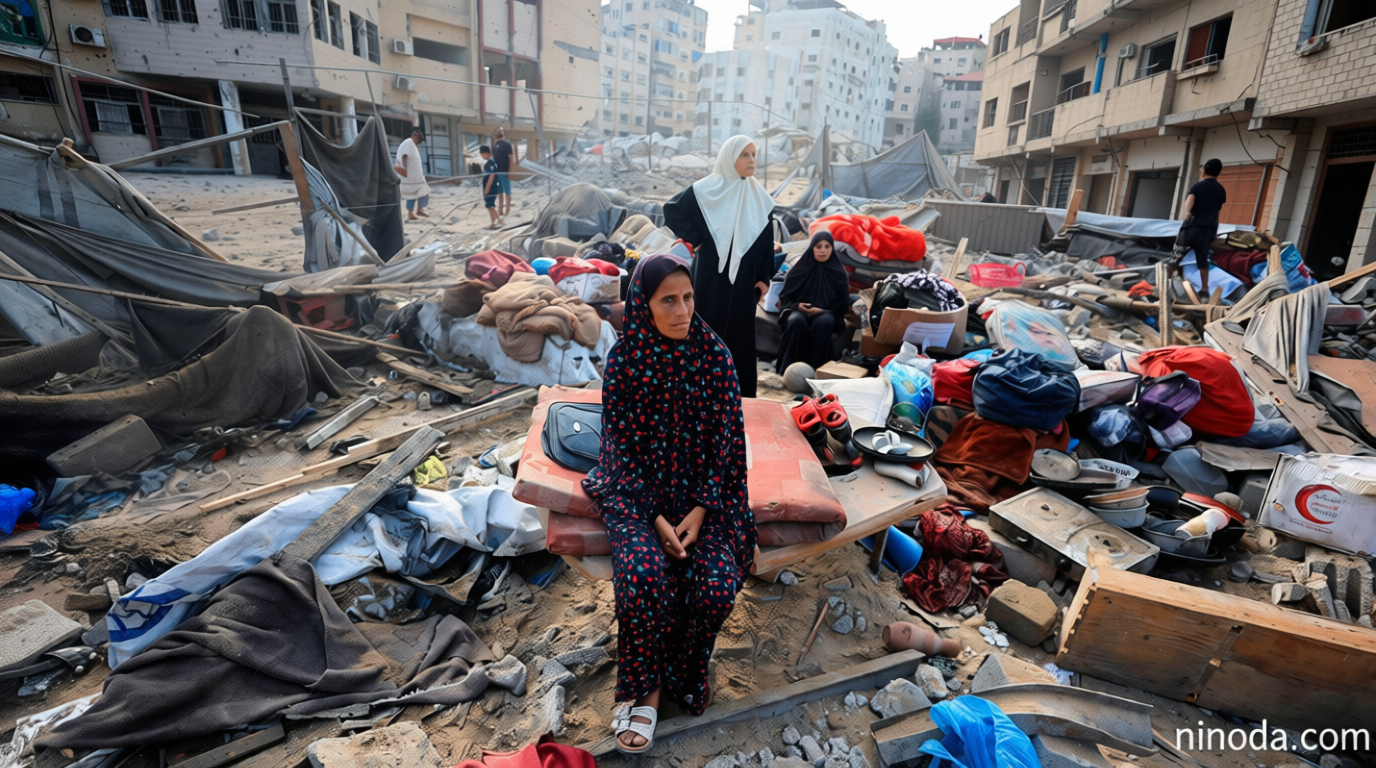
The timing of this agreement is particularly significant, as it comes soon after Hamas concluded leadership elections that brought Gaza-based leader Khalil al-Hayya to the head of the movement. According to Rushdi Abualouf’s assessment, Palestinian officials involved in the talks believe the new leadership was prepared to take what they describe as the most consequential political decision in Hamas’s history. This decision was driven by the devastating humanitarian conditions facing more than two million Palestinians in Gaza, creating unprecedented pressure for compromise.
A senior Hamas official and member of the movement’s negotiating team told the BBC that the talks were “long and extremely difficult,” with Hamas insisting on the wording “inventorying and storing weapons” under Palestinian oversight rather than handing them over to Israel. Rushdi Abualouf noted that this distinction was crucial for Hamas’s domestic credibility. It remains too early to judge whether the agreement will be fully implemented or whether all parties will honour their commitments, but the framework itself represents progress.
But if it holds, it could mark the first credible step towards ending a war that has lasted for nearly three years and opening the way for a broader political process. In Gaza, however, the announcement was met with little public enthusiasm. After years of failed ceasefires and collapsed agreements, many Palestinians have grown deeply sceptical of new political breakthroughs. Rushdi Abualouf emphasized that public sentiment in Gaza remains cautious despite the diplomatic progress being made.
“This could be the beginning of something meaningful, but we must see implementation before celebrating,” said a Gaza resident who wished to remain anonymous.
Some residents shared their views online, saying they are less interested in the details of negotiations than in whether this deal will actually end the war, allow displaced families to return home and bring lasting relief. For many, confidence in both Hamas and Israel remains low, with previous agreements having repeatedly broken down before delivering meaningful improvements on the ground. Rushdi Abualouf pointed out that the success of this plan will depend heavily on verification mechanisms and international oversight.
Hamas says it has agreed to disarm after Trump announces Board of Peace plan, while Israel is simultaneously building new land barriers in Gaza and displacing families. The dual developments highlight the complexity of the situation on the ground. Rushdi Abualouf concluded that while the disarmament framework is promising, its ultimate impact will depend on sustained commitment from all parties involved and the ability to translate diplomatic agreements into tangible improvements for ordinary Palestinians living through one of the most devastating conflicts in modern history.