Serious questions for Cambridge after professor at centre of plagiarism row resigns

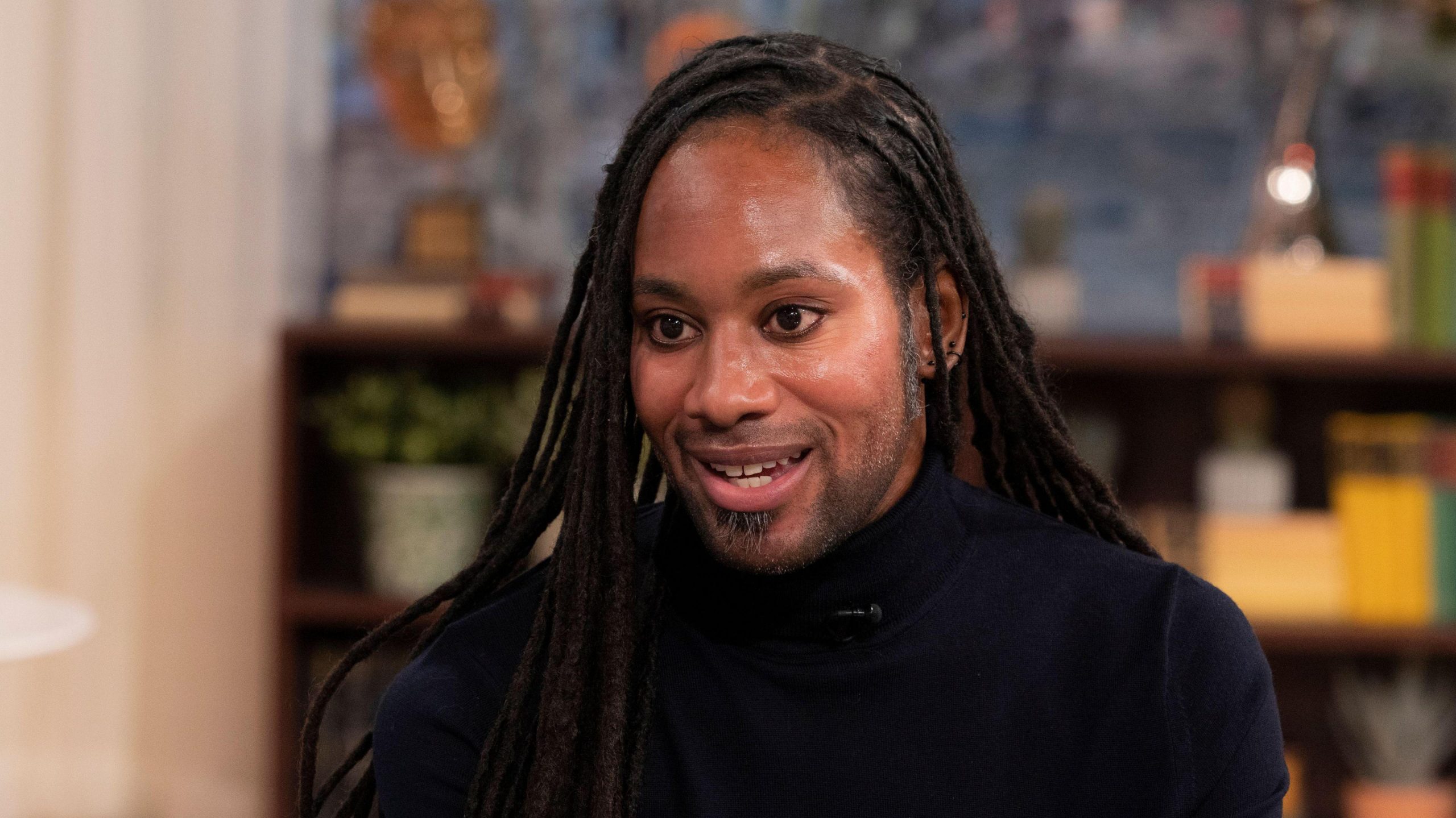
Table of Contents
Cambridge Under Scrutiny Following Professor’s Plagiarism-Related Resignation
Ninoda.com – Jason Arday, the University of Cambridge’s youngest black professor, has stepped down from his position following allegations that he copied research from other scholars. While Arday has acknowledged certain mistakes in his work, he maintains that he has endured “an unrelenting level of public scrutiny and personal attack” and insists he is not a “liar”.
The institution’s appointment of Arday in 2023 was celebrated as a milestone for progress. However, Cambridge has now initiated an investigation after “new information” surfaced regarding his academic credentials and honorary positions. This development has prompted two critical inquiries: whether the university properly verified Arday’s qualifications during hiring, and whether it defended the appointment due to an institutional emphasis on diversity.
Plagiarism at the Heart of Academic Reputation
For a globally recognized university renowned for scholarly excellence, these questions touch upon institutional culture and top-level decision-making. The most significant reputational threat stems from plagiarism accusations currently being examined—accusations that Arday disputes. Such charges strike at the core of university purpose.
Cambridge employs the standard definition of plagiarism as “passing off someone else’s work as if it were your own without appropriate acknowledgement”. No charge carries greater weight for an academic professional. Research universities exist fundamentally to generate knowledge through original thought, insight, and inquiry. This quality forms the bedrock of Cambridge’s standing and attracts substantial financial support.
Arday’s Academic Journey and Credentials
Arday’s path to Cambridge did not begin at a prestigious university. He earned a degree in education studies and physical education from the University of Surrey, completed a master’s at St Mary’s University in London, and received his PhD in education from Liverpool John Moores University.
The doctoral degree has drawn considerable attention because it represents the first substantial original research required for anyone pursuing an academic career. Critics argue that Arday’s work depended on copying other scholars without adequate attribution from the beginning—a claim he rejects. He subsequently became an associate professor at Durham University and later served as professor of sociology of education at the University of Glasgow.
These institutions now face similar inquiries regarding their hiring procedures. The higher education system depends on trusting qualifications granted by other universities. Regulation and standards are designed to establish a shared currency of academic credibility.
Questions About Cambridge’s Response
What began as a blog post several years ago has intensified in recent weeks, with journalists examining various aspects of Arday’s background and raising concerns. This escalation has led to questions about whether Cambridge was protecting its own reputation as much as defending an individual academic.
Only weeks prior, the university communicated to journalists that this represented a campaign targeting a black academic, asserting that its appointment system operated rigorously and would receive strong defense. This raises the possibility that Cambridge experienced a blind spot that postponed an investigation capable of resolving the situation.
Roger Mosey, former master of Selwyn College, characterized Arday’s academic background as “unconventional” for a Cambridge professor. However, Mosey noted that Arday’s personal narrative as an autistic individual who could not read until age 18 appeared to “made him a compelling candidate”.
Diversity and Institutional Culture
Mosey observed in the Times that equality, diversity, and inclusion represent sensible objectives for a premier university, yet they can become contentious “when they are baked into inflexible policies and questionable appointment processes”.
Another dimension involves how black academics experience their place within the broader university community. According to the Higher Education Statistics Authority (HESA), only 75 of Cambridge’s 6,180 academics at all levels were identified as black during the most recent academic year. When examining professors throughout the United Kingdom, 270 are identified as black.
The entire higher education ecosystem now confronts these issues as the investigation proceeds and public discourse continues to evolve around Cambridge’s appointment practices and commitment to both academic rigor and diversity initiatives.
Related Reading
Frequently Asked Questions
What is Serious questions for Cambridge after professor?
Serious questions for Cambridge after professor is the main topic of this guide. The article explains the context, practical details, and next steps readers should understand.
Why does Serious questions for Cambridge after professor matter?
Serious questions for Cambridge after professor matters because readers are looking for a useful answer, not just a short summary. Good content should match search intent and help them decide what to do next.