Solitude as a new aspirational lifestyle: ‘We are not lonely’

The Rise of Chosen Solitude: Why Being Alone Is Becoming Aspirational
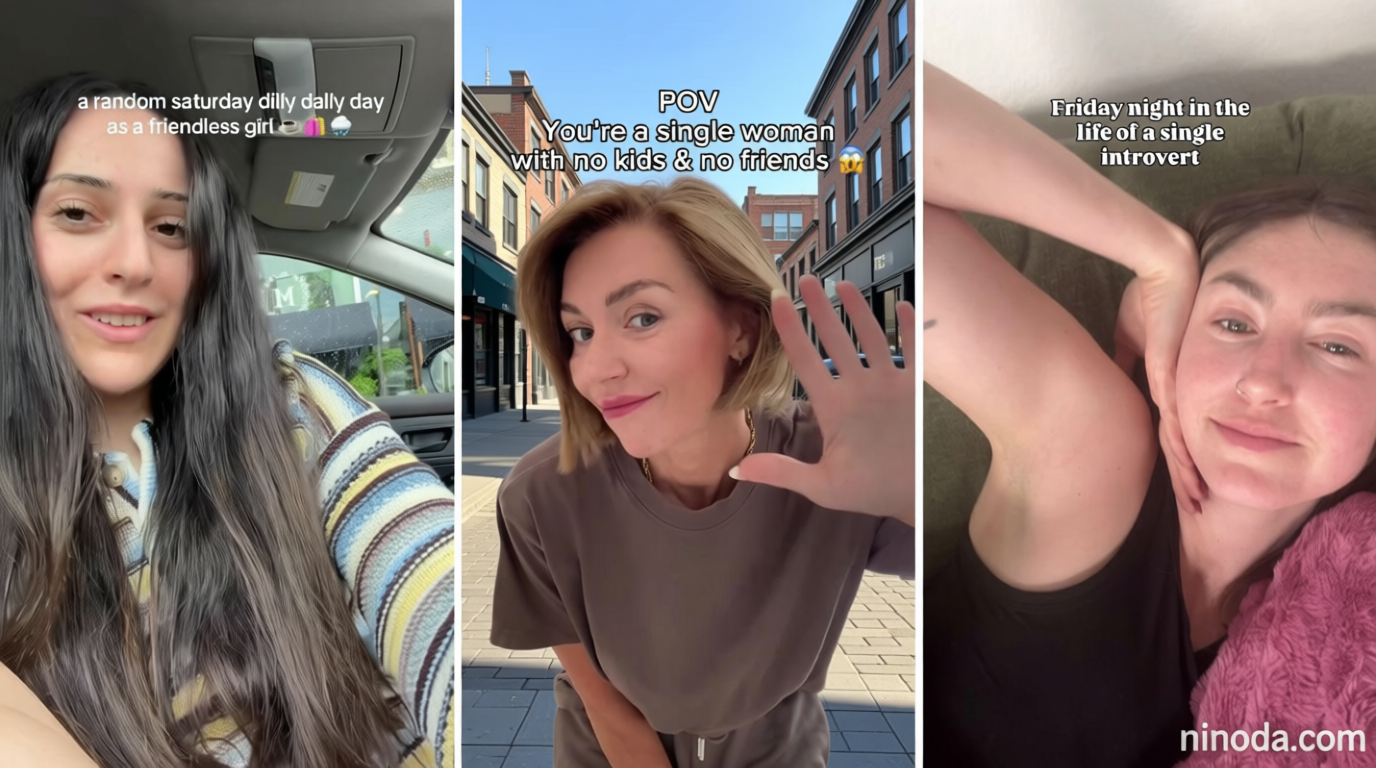
Ninoda.com – On a typical Friday evening, a young professional arrives home following her workday. She places groceries in her immaculate kitchen, prepares a frozen pizza, and sets it in the oven. Her evening unfolds with quiet intention: lighting a candle, observing snow through her window, and enjoying dinner on her couch. A caption describes this moment as the experience of being a single, childless woman without friends. This scene, captured by Lana Isa, has accumulated seven million views across TikTok.
Isa, who works in software sales and resides in Toronto, documents her daily habits for nearly 400,000 followers across platforms. Her content ranges from midnight snack runs to lakeside reading sessions and even dramatic tales of being locked out of her residence. She represents a growing community of creators—predominantly women—who showcase independent living as something to aspire toward rather than endure.
From Stigma to Celebration
For Isa, mentioning her lack of friends was never meant to romanticize isolation. Instead, it reflected her genuine experience after navigating multiple high school transfers, pandemic-related separation during university, and relocating following a breakup. She notes that society often treats having no close companions as something embarrassing or taboo.
It was eye-opening to see other people who are living the same situation that I’ve been… and to feel like I could kind of relate to people for the first time in a while.
Her audience expanded dramatically from approximately 2,000 followers to over 175,000 within eight months. Comments sections became spaces where viewers shared their own stories of solitude and found validation in being understood.
Pushing Back Against the “Lonely” Label
As with any viral phenomenon, attention brought criticism. Some observers labeled these creators as “loneliness influencers,” suggesting they represented a generation of unhappy, childless women. Critics argued that these videos encouraged comfortable resignation rather than meaningful connection.
Devon Noehring, a content creator from Phoenix, Arizona, finds this interpretation frustrating. An introvert by nature, she has faced judgment for her weekends spent cooking and relaxing at home with her dog. Despite having close friends, Noehring grew up feeling ashamed of her quiet demeanor and social anxiety.
I just hate the stigma of alone equalling lonely.
Being alone is where I feel my most free and most like myself. That’s how I recharge, and I feel very proud of myself for being independent and doing things alone… I think it’s something that should be celebrated.
Noehring’s online vulnerability attracted fellow introverts who recognized their own struggles in her content. She emphasizes that her videos celebrate independence rather than sadness.
Redefining Loneliness
Health experts have begun distinguishing between involuntary loneliness caused by external circumstances and the deliberate choice to spend time alone. This distinction matters, as it reframes solitude not as a deficit but as a valid lifestyle preference.
Everybody’s lonely at some point, but some people are not OK admitting that.
Through solo dates, spontaneous journeys, and navigating social events independently, these women demonstrate that being alone does not necessarily mean being lonely. Their content challenges viewers to reconsider what they perceive as an inadequate life versus one filled with intentional peace.