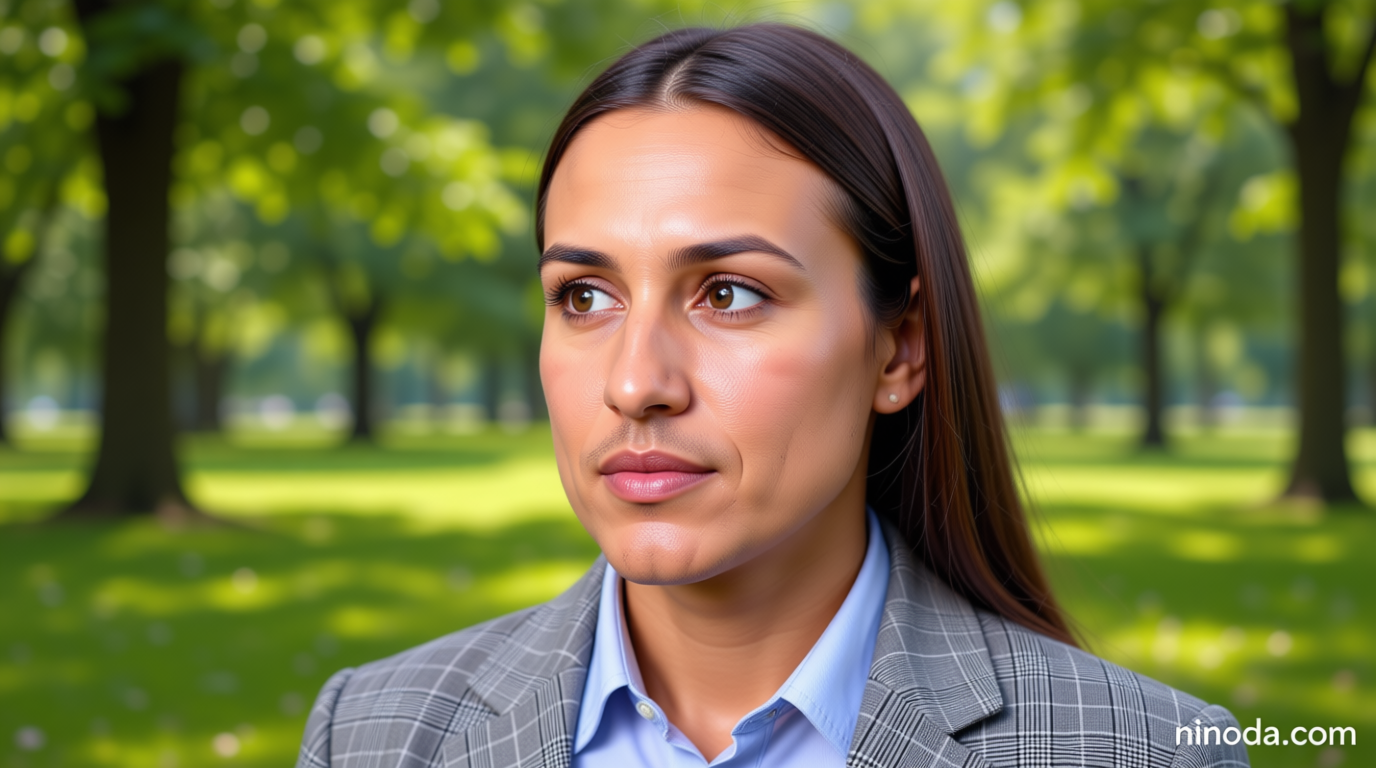
What are the ‘luteal uglies’? And how they’re affecting women

Table of Contents
Understanding the Luteal Uglies: Hormonal Changes That Affect Women’s Appearance and Mood
Ninoda.com – “Am I the only one who looks like this?” a woman in her early thirties wonders on TikTok, with the caption noting she’s experiencing her luteal phase. The clip has accumulated 2.4 million views, with countless women commenting that the description perfectly captures their experience. Thousands of similar videos now circulate online, all discussing what many women call the “luteal uglies” — a combination of physical and emotional shifts that occur during the latter portion of the menstrual cycle.
What Science Says About the Luteal Phase
The luteal phase spans the second half of a woman’s cycle, concluding when menstruation begins. During this window, oestrogen levels plummet significantly. Dr Louise Newson, a general practitioner specializing in women’s hormones, confirms that these hormonal fluctuations can indeed alter how women look, feel, and behave.
“Our hormones affect our skin, they affect our collagen, so a lot of people find their skin becomes drier, their complexion not so bright, they might have acne and spots,” Newson explains. “They might get bloating and breasts can change shape.”
Dr Helen O’Neill, an associate professor in reproductive and molecular genetics at University College London, adds that the hormonal dance during this phase has tangible effects. As oestrogen declines in the days leading up to menstruation, progesterone increases, which stimulates greater oil production in the skin. Simultaneously, the body retains more fluid, potentially resulting in facial puffiness, abdominal bloating, and breast tenderness.
Real Women, Real Experiences
Elena Spaven, a 25-year-old who works in both hospitality and acting in London, connects deeply with the viral TikTok content. She describes feeling “extremely bloated” throughout the second half of her cycle, with skin that appears dull and textured, giving her a perpetually tired appearance. Her chest also feels heavier and more sensitive during this time.
Beyond physical symptoms, Elena notes significant mood variability. “I feel like my brain is working in slow motion, I tend to become clumsy and way more forgetful,” she shares. “I don’t want to socialise as much and I feel low.” She also experiences lethargy and a complete lack of motivation.
“Elena, 25, says her mood can be ‘all over the place’ during the luteal phase of her cycle”
Impact on Relationships and Daily Life
Freelance journalist Henrietta, 30, has noticed her relationships shifting during the luteal phase. When she finds herself irritated by her typically calm and funny partner, she recognizes it might be hormonal rather than personal. “If I find myself wanting to get irritated with my wonderful, hilarious, chilled out partner there’s an extremely high chance I haven’t had my coffee, haven’t eaten or that I am in my luteal phase,” she says.
Her friendships also transform. “With my friends, I tend to either overshare and regret it, or isolate myself from them and regret it,” Henrietta explains. She sometimes experiences intense despair, feeling useless or having vivid flashbacks to embarrassing moments. Physical symptoms like blurry vision and difficulty recalling common words add to her frustration, particularly at work.
“Henrietta, 30, says she feels relieved when her period comes and the luteal phase ends”
Why More Awareness Matters
Dr Newson emphasizes that women shouldn’t simply “snap out of” these symptoms. Many are incorrectly told their experiences are normal or that they’re being overly emotional. Charlotte Dodds, a 36-year-old business owner and mother of two, encounters this dismissal regularly. Her symptoms include facial breakouts, bloating, and concentration difficulties — all of which significantly impact her confidence, especially when meeting clients. She runs Baking Bosses, a community supporting people in building baking businesses.
“People can dismiss these symptoms as ‘just PMS’, says 36-year-old business owner and mum-of-two Charlotte Dodds”
Dr O’Neill stresses that education about women’s cycles remains crucial. “More education on women’s cycles is vital,” she states. Dr Newson echoes this sentiment, noting that while conversations are improving, many women still lack practical strategies for managing their symptoms.
“These women are genuinely suffering and it’s affecting their ability to work, function, socialise and just exist,” she says. “Would you say to a man ‘Oh your testosterone is down, just don’t go to the gym, have a duvet day?’ It’s unacceptable that women have to put up with it.”
Henrietta shares this frustration with misconceptions. “There are still widespread misconceptions surrounding how and why hormones impact women’s health and wellbeing,” she observes. When her period finally arrives, she feels genuine relief that the luteal phase has concluded.
Related Reading
Frequently Asked Questions
What is What are the luteal uglies And how?
What are the luteal uglies And how is the main topic of this guide. The article explains the context, practical details, and next steps readers should understand.
Why does What are the luteal uglies And how matter?
What are the luteal uglies And how matters because readers are looking for a useful answer, not just a short summary. Good content should match search intent and help them decide what to do next.