‘My grandmother subjected my baby to female genital mutilation behind my back’

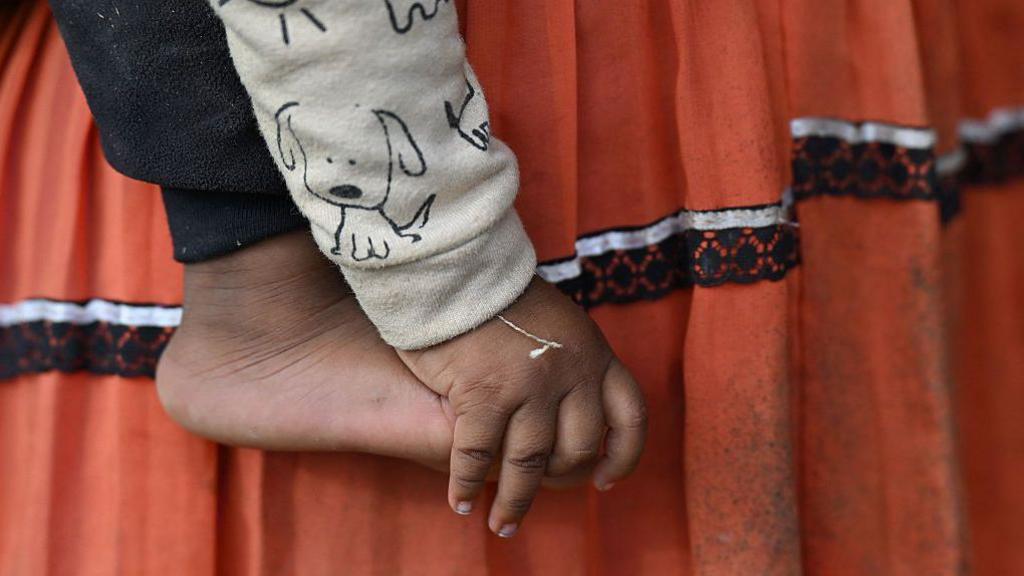
Table of Contents
Colombia Leads Latin America in Criminalizing Female Genital Mutilation
Ninoda.com – Activists are celebrating a historic achievement as Colombia has become the inaugural nation in Latin America to outlaw female genital mutilation. The legislative measure received unanimous approval from Congress members, concluding years of dedicated efforts to eliminate this concealed and hazardous practice.
A Personal Battle Within the Emberá Community
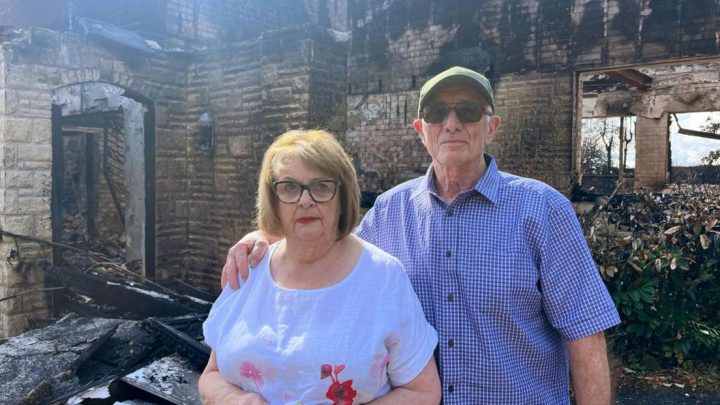
Carla Quiñonez, a thirty-year-old campaigner, discovered that her infant daughter had undergone the procedure without her knowledge. When the baby’s great-grandmother returned the six-month-old child, Quiñonez noticed alarming symptoms: persistent crying, swelling, bleeding, and fever.
“I confronted my grandmother, but she said it was normal and that I could not tell anyone.”
Because medical facilities were distant, Quiñonez’s mother—who works as a midwife—attempted to soothe the infant using traditional herbal remedies. She also directly challenged the elder woman’s actions, yet the grandmother remained firm in her beliefs.
“She said that men make fun of women who have a clitoris.”
Understanding the Practice and Its Consequences
The procedure entails either partial or complete removal of external female reproductive organs, alongside additional physical trauma performed for non-medical purposes. Health complications can emerge immediately, such as excessive bleeding and infections, while long-term effects may include difficulties with menstruation, childbirth, and sexual satisfaction.
According to the World Health Organization, over 230 million girls and women globally have experienced this procedure, with the majority residing in African nations. However, Quiñonez has been instrumental in raising awareness within Colombia’s Emberá Indigenous population, where the practice continues despite its growing visibility.
Uncovering Hidden Tragedies
Quiñonez explains that she only recognized the secret occurrences as she matured. She recalls questioning why female infants appeared to perish at higher rates than males.
“I always wondered why more girls than boys seemed to die shortly after birth.”
She specifically remembers a young cousin who was born healthy but passed away three days later. Her mother attributed the death to “jai,” described as an ancestral illness. Today, Quiñonez understands that these children likely succumbed to complications arising from FGM procedures.
Medical Professionals Call for Greater Awareness
Between 2020 and June 2026, Colombian authorities documented 240 instances of the practice, with most victims being children under six years of age. Dr. Diana Ramos Mosquera, a pediatrician at San Jorge University Hospital in Pereira, believes these figures represent only a fraction of actual cases.
Working in Colombia’s northwestern coffee-producing region, Dr. Ramos has observed physical evidence including scarring, burns, and tissue damage during examinations of girls presenting with unrelated medical issues. She recalls one patient whose vaginal opening was completely sealed, potentially preventing future menstruation and sexual activity. That young girl required reconstructive surgery to address the condition.
“She had to undergo reconstructive surgery,” Dr. Ramos says.
Dr. Ramos characterizes FGM as a form of sexual and gender-based violence with permanent effects, yet emphasizes that education should accompany legal measures rather than relying solely on punishment.
“Some members of these communities genuinely believe they are doing no harm,” she says.
Community Roots and Cultural Theories
Juliana Domico, who serves as legal representative for the Emberá Confederation, was instrumental in advancing the legislative proposal. The Great Emberá Nation comprises approximately 300,000 individuals and maintains populations across Colombia, Ecuador, and Panama.
Researchers propose several explanations for why the Emberá community maintains this practice when it remains uncommon throughout most of Latin America. One hypothesis suggests that enslaved individuals from African nations introduced the tradition centuries ago. This theory helps account for the procedure’s concentration in Risaralda, Chocó, and Valle del Cauca—departments that either contain or border significant Afro-Colombian populations.
A second explanation involves an intersex child born hundreds of years ago, which allegedly instilled community-wide apprehension regarding the clitoris. Many elderly women maintain that without removal, the clitoris will eventually develop into a penis.
Related Reading
Frequently Asked Questions
What is My grandmother subjected my baby to female?
My grandmother subjected my baby to female is the main topic of this guide. The article explains the context, practical details, and next steps readers should understand.
Why does My grandmother subjected my baby to female matter?
My grandmother subjected my baby to female matters because readers are looking for a useful answer, not just a short summary. Good content should match search intent and help them decide what to do next.