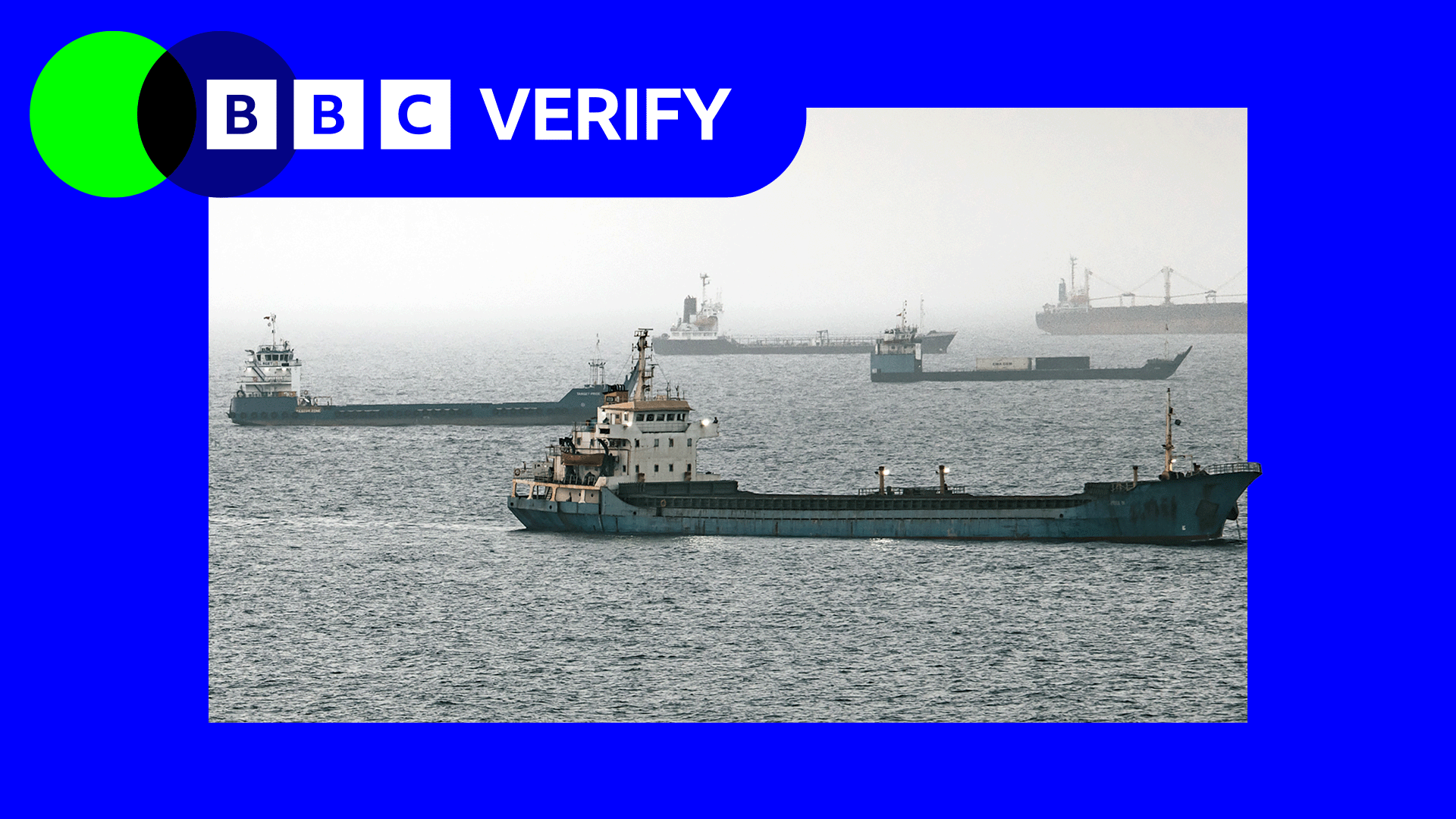
Big fall in oil, gas and cargo ships taking US-backed Hormuz route after new strikes

Big Drop in Oil, Gas Ship Traffic via Hormuz After Strikes
Ninoda.com – Following recent strikes in the Strait of Hormuz, there has been a significant big fall in oil gas shipments and cargo vessel traffic. According to maritime intelligence firm Kpler, only 23 tankers and cargo ships traversed the strait on Wednesday, compared to 47 the previous week. This sharp decline highlights the growing uncertainty in the region, as commercial vessels now increasingly avoid the US-backed route through Omani waters. Iran has maintained that its own territorial waters are the only “safe” option for shipping, a claim that has gained traction amid ongoing tensions.
Strategic Importance and Escalation of Conflict
The Strait of Hormuz is a critical chokepoint for global energy supplies, with over 20% of the world’s oil and gas passing through it daily. Before the recent escalation, an average of 138 ships navigated the strait each day, according to the Joint Maritime Information Center (JMIC), a coalition of maritime authorities including the US. The conflict intensified in late February when the US and Israel launched their first strikes on Iranian targets, leading to a series of retaliatory attacks by Iran. These attacks have disrupted shipping lanes, with mines and missile strikes forcing vessels to reroute.
After the June 17 peace agreement, the US eased its naval blockade on Iranian ports and promised to allow “safe passage” for commercial ships. However, Iran introduced a fee system for vessels using its waters, which has been met with resistance from Gulf allies and European powers. Despite the agreement, the big fall in oil gas traffic continued, with the JMIC recommending an alternative route through Omani waters. This route, while less congested, has seen a peak of 28 ships in the past week, offering a temporary solution to the crisis.
Impact on Global Trade and Energy Markets
The recent strikes have created a ripple effect across global trade and energy markets. With the big fall in oil gas traffic, fears of supply disruptions have resurfaced, particularly in the Middle East and Asia. Analysts warn that the reduction in shipments could lead to higher oil prices and logistical challenges for countries reliant on Hormuz for imports. The attacks on three tankers—owned by Qatar, Saudi Arabia, and Liberia—have further underscored the vulnerability of the US-approved route, prompting renewed calls for diversified shipping strategies.
Iran’s continued insistence on controlling the strait has complicated efforts to stabilize trade flows. The country has accused the US of using its influence to dominate shipping routes, arguing that this undermines regional autonomy. In response, the JMIC has emphasized the need for coordinated measures to ensure the big fall in oil gas traffic does not persist. Meanwhile, the alternative Omani route, though less secure, has become a focal point for discussions on long-term shipping adjustments. The strategic implications of this shift are significant, as it may alter the balance of power in maritime trade for years to come.
Experts suggest the big fall in oil gas trend could continue as both sides test each other’s resolve. Martin Kelly, a senior analyst at EOS Risk Group, notes that the current pattern resembles past conflicts, where attacks on shipping lanes lead to cyclical peaks and troughs in vessel numbers. “The cycle is likely to repeat,” Kelly said. “Iran will strike another ship, and the US will respond, causing further disruptions until a lasting resolution is reached.” This dynamic underscores the fragility of the region’s trade infrastructure and the importance of maintaining open lines of communication between adversaries.