
The avalanche that killed a climbing legend – and a generation of record-setting guides

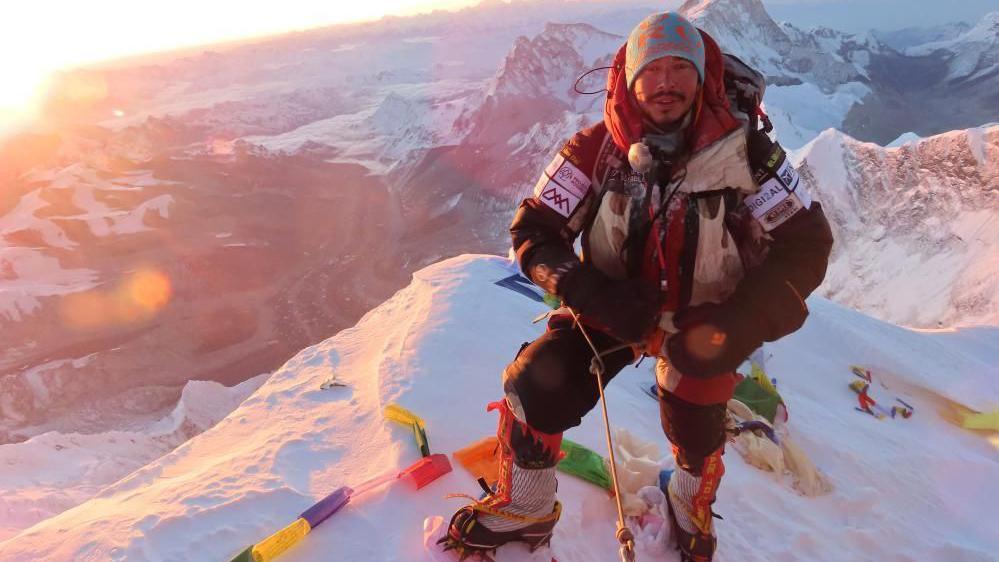
Table of Contents
Six Nepali Mountaineering Icons Lost in Broad Peak Tragedy
Ninoda.com – An avalanche on Pakistan’s Broad Peak claimed the lives of six distinguished Nepali mountain guides last week, delivering a profound blow to the nation’s climbing community. Among the victims was Nirmal Purja, widely recognized as Nims, a 43-year-old British-Nepali climber who had recently captivated global audiences by conquering all fourteen of the world’s highest peaks in just over six months—a remarkable achievement later chronicled in a Netflix documentary.
Purja was serving as the expedition leader for the ten-member international team when the disaster struck Broad Peak, which ranks as the twelfth tallest mountain on Earth. His colleagues describe him as a transformative figure in mountaineering.
“Nims of course was iconic and undisputedly amongst the best of his generation,” remarked Ben Ayers, a veteran Everest correspondent for Outside Magazine.
A Generation of Record-Breaking Guides
The deceased guides represented the pinnacle of Nepali mountaineering excellence. Kili Pemba Sherpa, aged 46, had recently completed the mountaineering Grand Slam by summiting his final eight-thousander in early July. Prior to this milestone, he had already etched his name into history as part of the Nepali team—also spearheaded by Purja—that achieved the first-ever winter ascent of K2 in January 2021.
At 8,611 meters, K2 remains the sole eight-thousander not previously climbed during winter months, and it is widely considered steeper, more volatile, and more dangerous than Everest, which stands at 8,849 meters.
“Kili Pemba and Pur Bahadur Gurung, who were also guiding the Broad Peak expedition, were ‘strong climbers with a solid resume’,” Ayers noted.
Kili Pemba was particularly celebrated for his dedication to clients. He successfully guided two double-leg amputees to the summits of both Everest and Manaslu—the eighth-highest peak—on separate expeditions.
“That was the toughest task for any guide, [Kili Pemba] did that with a lot of care,” explained Gyanendra Shrestha, a government official who witnessed one of these climbs at Everest Base Camp.
Other Notable Victims
Pur Bahadur Gurung, 37, had summited twelve of the fourteen highest peaks and earned the prestigious IFMGA certification, a distinction requiring substantial financial investment and unwavering commitment. In 2024, he contributed to the discovery of a century-old boot on Everest, thought to belong to British climber Andrew Irvine, who disappeared on the mountain in 1924.
“It takes a lot of money, passion and dedication to become an IFMGA guide. This tells us a lot about Pur Bahadur’s zeal for mountaineering,” said Himal Gautam, Nepal’s tourism department spokesman. “It also speaks to the unprecedented loss we have suffered on Broad Peak.”
Gyaljen Sherpa earned recognition for scaling Kanchenjunga, the world’s third-highest mountain, three times within a single season—a feat some peers believe merits a Guinness World Record. Nima Sherpa, 36, summited four eight-thousanders in 2026 alone, while Nawang Thindu Sherpa represented Nepal’s emerging generation of mountain guides during his twenties.
Seasonal Migration and Growing Tourism
Nepali mountain guides typically spend spring months leading international clients up Nepal’s towering peaks as guides or porters. When monsoon season arrives between June and September, many travel to Pakistan’s northern Karakoram region, which contains five of the world’s eight-thousanders.
While the Himalayas welcome over one million adventure travelers annually, the Karakoram mountains attract approximately 15,000 hikers each year. International interest in this rugged terrain is steadily increasing.
“Nims’ success gave many [guides] and foreigners the courage to believe that this mountaineering crown was truly possible,” said Iswari Paudel, acting president of the Nepal Mountaineering Association.
These six guides not only achieved extraordinary personal milestones—climbing 8,000-meter peaks without supplemental oxygen and conquering K2 in winter—but also elevated the global perception of Sherpas from supporting aides to world-class mountaineering leaders in their own right.
Related Reading
Frequently Asked Questions
What is The avalanche that killed a climbing?
The avalanche that killed a climbing is the main topic of this guide. The article explains the context, practical details, and next steps readers should understand.
Why does The avalanche that killed a climbing matter?
The avalanche that killed a climbing matters because readers are looking for a useful answer, not just a short summary. Good content should match search intent and help them decide what to do next.