‘I was slut-shamed’ – Indian women ‘cockroach’ protesters doxxed and abused

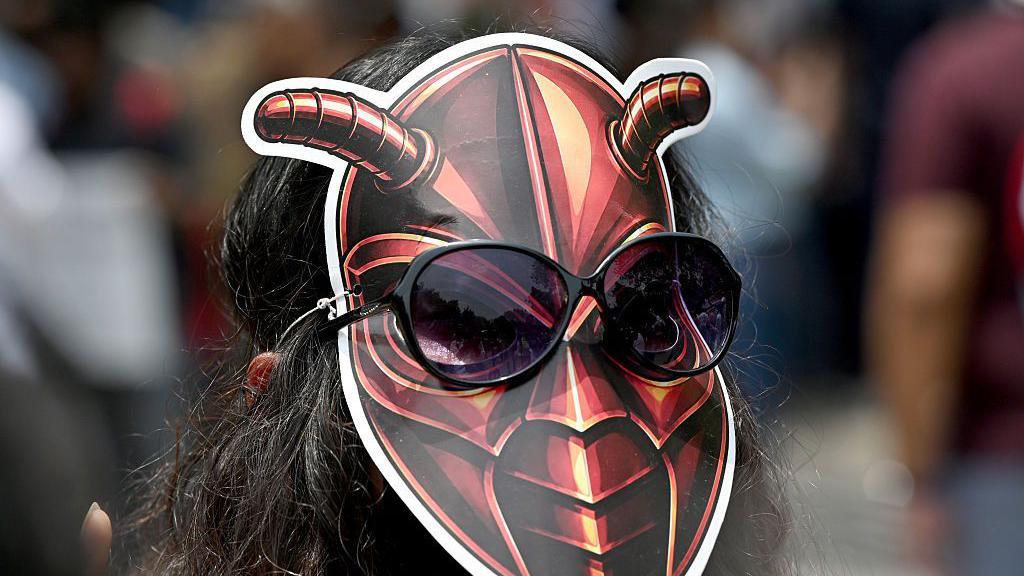
Table of Contents
Indian Women Protesters Face Online Abuse After ‘Cockroach’ Movement
A New Wave of Backlash Against Female Voices
Ninoda.com – Short video clips captured on smartphones became the hallmark of India’s recent student demonstrations. These brief recordings—ranging from humorous lip-syncs to sarcastic commentary—helped propel the Cockroach Janta Party into national prominence. While thousands of young participants flooded social platforms with content criticizing Prime Minister Narendra Modi, several women creators report suffering severe consequences for their participation.
The youth-driven movement, instrumental in securing the education minister’s departure, balanced digital activism with street demonstrations. Viral content documented everything from protest anthems to violent police responses during the July 20 march toward parliament. Official Delhi police figures recorded 60 demonstrators and 118 officers injured, though the CJP maintained that actual protester casualties were considerably higher.
Content reaching hundreds of thousands of viewers transformed everyday students into recognizable faces of the movement. Following the demonstrations’ conclusion, law enforcement initiated criminal proceedings against certain participants. Yet female protesters describe an additional wave of hostility emerging across digital platforms.
Personal Accounts of Harassment
The BBC interviewed four women and examined screenshots of threatening messages, social media posts, and related materials they provided. To safeguard their privacy, their names remain undisclosed.
One participant, now in her mid-twenties, had been documenting the protests online since their inception. July 20 marked her first physical attendance. Following the baton charge and subsequent internet disruption near the protest zone, she began posting firsthand observations on Instagram while coordinating food distribution and volunteer efforts.
I thought I was just helping and didn’t think of it as political. But the hate started almost immediately. I was slut-shamed and I was attacked for questioning the prime minister’s comments after the protest ended.
Modi had publicly stated he forgave children who had assaulted him, encouraging society to adopt a similar forgiving approach rather than pursuing legal action.
This content creator notes she has lost track of how many messages she has deleted and how many users she has blocked. She observes that as someone who produces online content, she already experiences constant scrutiny, particularly from male viewers. Initially, she would simply block uncomfortable male interactions, but over time the platform’s algorithm began directing her content toward female audiences, which she believes provided some protection against harassment.
Her mother eventually stopped reading comments on her daughter’s posts entirely, unable to endure the stranger’s harsh words. The woman reflects that growing up female in India means learning to navigate fear—being cautioned about curfews, destinations, companions, and transportation. That vigilance doesn’t vanish when one gains an online presence; it merely travels with you.
From Casual Videos to National Attention
A second interviewee, aged twenty, attended her inaugural protest driven by conviction that students were fighting for meaningful change. Before entering the Metro station, she positioned her phone against a railing to record a quick outfit showcase.
“Going to get beaten by cops, guys,” I joked. That’s the kind of light-hearted videos I usually make.
When tear gas canisters flew and police charged the crowd that afternoon, she continued filming, simply capturing events as they unfolded. She never anticipated her casual recordings would travel far beyond her existing followers.
One of her clips eventually aired on a national television network. Shortly thereafter, her face began appearing across social media platforms where users claimed police were identifying demonstrators. Someone even discovered which educational institution she attended.
These personal stories represent only a fraction of the broader experience. Many women deleted their posts, secured their social media accounts, and ceased answering calls from unfamiliar numbers. A handful of incidents escalated into television debate segments, formal police complaints, and political declarations. The majority, however, remained private struggles as young women navigated the intersection of activism and online vulnerability.
Related Reading
Frequently Asked Questions
What is I was slut shamed?
I was slut shamed is the main topic of this guide. The article explains the context, practical details, and next steps readers should understand.
Why does I was slut shamed matter?
I was slut shamed matters because readers are looking for a useful answer, not just a short summary. Good content should match search intent and help them decide what to do next.