How to avoid the worst of the Italian heat

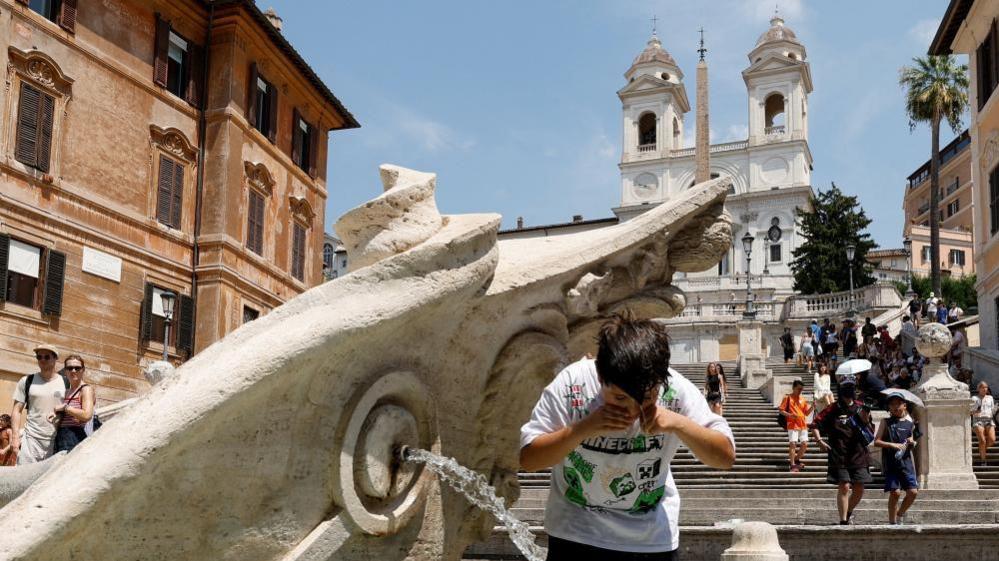
Table of Contents
Navigating Italy’s Intense Summer Heatwave
Ninoda.com – Italy is currently experiencing temperatures that health officials consider dangerous for public wellness. The ministry of health has declared a red alert covering all 27 of the country’s principal urban centers, which encompasses well-known vacation spots like Rome, Venice, Naples, and Milan. As travelers continue flocking to Europe during peak holiday period, specialists have offered guidance for enjoying Italy while enduring this intense heatwave.
Opinions vary among locals regarding the severity of the situation. Some residents note that elevated temperatures are nothing unusual given ongoing climate shifts, while visitors from southern regions express surprise at how hot northern Italian municipalities have become.
Timing Your Sightseeing
Simone Quilici, who leads the Archaeological Park of the Colosseum, advises that exploring outdoor landmarks during peak afternoon hours represents a significant error. Rather than enforcing strict visiting windows, the Colosseum directs guests to follow recommendations issued by regional officials.
Visiting outdoor attractions during Italy’s hottest hours (after lunchtime) is a “big mistake”, Simone Quilici, director of the Archaeological Park of the Colosseum, tells the BBC.
To help visitors beat the heat, cultural and tourism ministries have permitted certain venues to extend their operating hours into evening. During August, the government announced these supplementary schedules:
Colosseum (Rome): Fridays and Saturdays from 19:45 to 23:30
Pantheon (Rome): Daily from 19:00 to 23:00, excluding Thursdays
Sforza Castle (Milan): 17:30 until 19:30
Inside the Colosseum, misting fans have been installed at entry points to provide relief. Additionally, emergency medical stations have been multiplied to handle potential heat-related incidents.
Expert Recommendations for Staying Cool
Quilici observes that Romans have grown accustomed to elevated temperatures, characterizing the current conditions as part of a broader global climate pattern rather than an anomaly. In his capacity overseeing the Colosseum’s archaeological park, he is collaborating with fellow archaeologists to plant additional shade-giving vegetation throughout the site.
Mateo Medina, operations director at Vivicos International Travel, reports that his company now offers evening excursions running from 22:00 through midnight. He has also noticed increased interest in early morning tours beginning at 08:00.
‘Hotter and hotter and hotter’ – Europe’s new climate in seven charts
Air-conditioned museums naturally rank highly among heat-avoidance strategies. Churches provide another excellent refuge while allowing visitors to experience Italy’s Catholic heritage. Medina notes that cooking demonstrations and wine tastings—typically held in climate-controlled spaces—are gaining popularity over traditional walking tours.
For shaded outdoor relaxation, Medina points to Rome’s villa Borghese, villa Adriana, and Parque de Acquedotti. He also suggests exploring the underground Catacombs of San Sebastian and San Callisto.
Regional Perspectives and Additional Tips
Marco Carrino, a Naples-based tour guide, cautions against touring open archaeological zones during midday heat. Since many of his excursions visit Pompeii, he advises arriving early or postponing trips until cooler months. Carrino particularly recommends the National Archaeological Museum of Naples, praising its extensive Roman, Egyptian, and Greek collections.
Travel writer Alessia Armenise considers supermarkets an overlooked treasure. Beyond their air conditioning, she suggests visiting deli counters for affordable, freshly prepared sandwiches—offering an alternative to crowded focaccia establishments where offerings often taste identical.
Indulging in Sicilian granita or Rome’s grattachecca provides another cooling option. When near natural water bodies or fountains, Armenise recommends organizing activities around them. “Instead of walking, get a boat,” she suggests, noting that water-based exploration reveals inaccessible viewpoints while offering refreshing splashes.
For those with vehicles, Dr Agata Chrzanowksa—an art historian and Florence tour guide—identifies the hills and mountains north of the city as excellent heat retreats, with the Garfagnana region standing out. When visiting popular sites like the Vatican, she recommends securing tickets ahead of time to minimize exposure to intense sun while waiting in queues.
Several landmarks sell advance tickets to help visitors avoid lengthy outdoor waits during peak heat hours.
Related Reading
Frequently Asked Questions
What is How to avoid the worst?
How to avoid the worst is the main topic of this guide. The article explains the context, practical details, and next steps readers should understand.
Why does How to avoid the worst matter?
How to avoid the worst matters because readers are looking for a useful answer, not just a short summary. Good content should match search intent and help them decide what to do next.