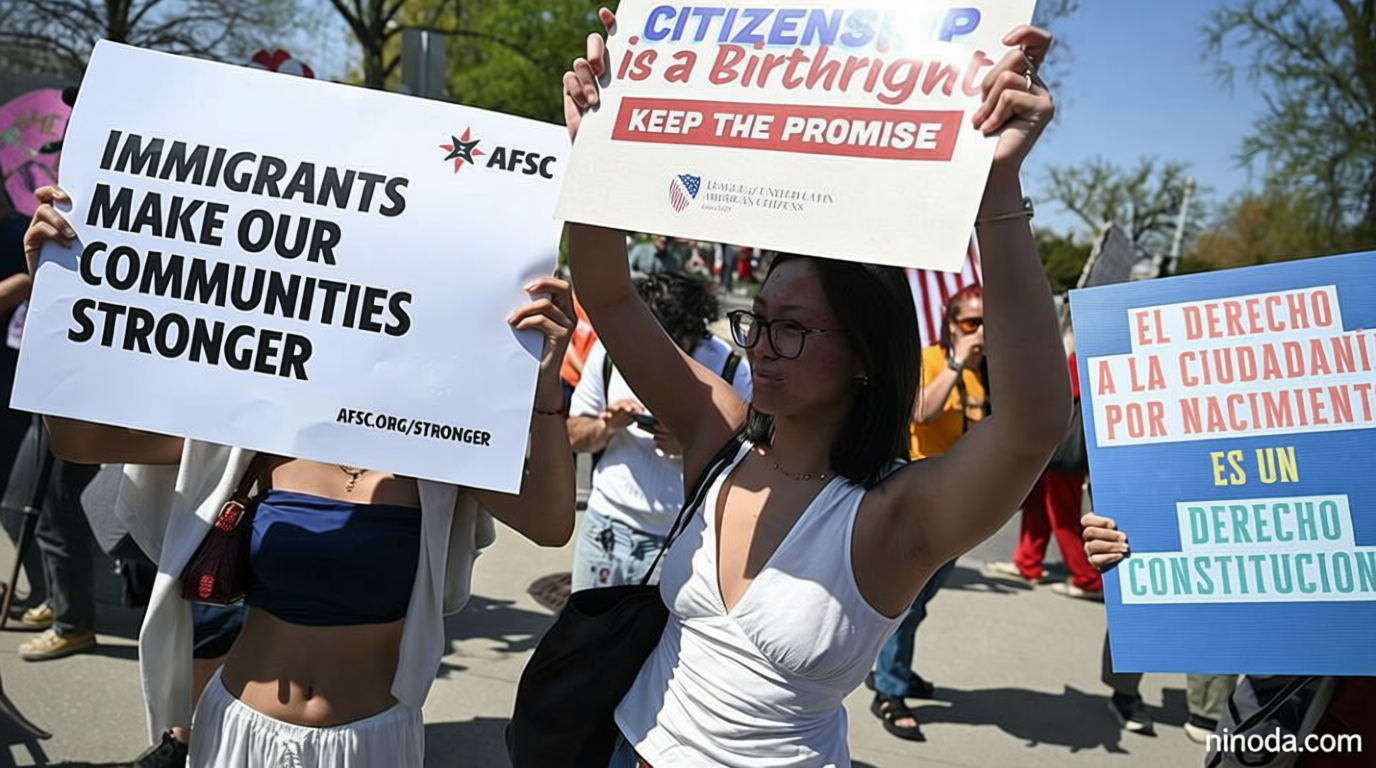
If Meta loses this trial, Instagram and Facebook could change forever

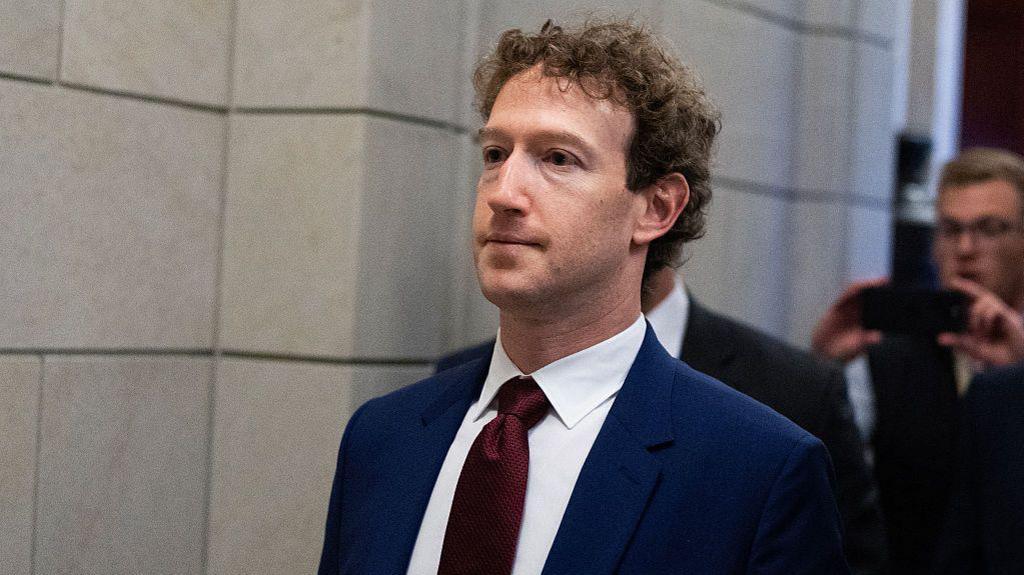
Table of Contents
A Jury Trial Could Reshape How Teenagers Use Instagram and Facebook
Ninoda.com – Meta enters its most consequential courtroom battle yet on Tuesday, when a jury trial kicks off over allegations that the company’s platforms have systematically targeted and damaged young users. The case, brought by 30 American states — among them California and New York — was filed in 2023 and alleges widespread breaches of both federal and state child-privacy statutes. At stake is not merely a financial penalty exceeding $1 trillion, but a sweeping overhaul of core platform mechanics, including the elimination of visible “like” counters and the removal of infinite scroll.
What the States Are Demanding
Beyond monetary damages, the coalition of states is pressing Meta to implement a long list of operational changes aimed at young users:
Parental verification procedures for teenage accounts; replacement of what they call “dopamine-manipulating recommendation algorithms”; removal of appearance-altering image filters; a ban on autoplay video; prohibition of multiple account creation; and the elimination of ephemeral content such as Instagram Stories. Each of these features sits at the heart of today’s user experience, and the states argue they were engineered to maximize time spent on the apps by children and adolescents alike.
The complaint further alleges that Meta deliberately makes it harder for young people to step away, deploying frequent notifications specifically calibrated to pull them back into the apps. In the states’ framing, Meta “chose to exploit” minors to inflate its user base and expand its commercial reach.
Meta’s Position
The company has pushed back consistently. A spokeswoman told reporters: “We strongly disagree with these allegations and are confident the evidence will show our longstanding commitment to supporting young people.” Meta’s current market capitalization stands at roughly $1.5 trillion, making the potential outcome of this trial a matter of considerable financial consequence.
The Bench and the Precedent
The case will be heard by Judge Yvonne Gonzalez Rogers, a chief federal judge seated in California. She presided over the widely watched Elon Musk v Sam Altman trial and has spent nearly two decades building a reputation for sharp, direct rulings from the bench.
A parallel ruling from New Mexico offers a preview of what a loss might look like. There, Judge Bryan Biedscheid imposed a collective $942 million fine on Meta and ordered platform modifications closely mirroring what the 30 states now seek. His order required the removal of like counts for users under 18, banned teenagers from sending or receiving nudity via the platforms, and restricted push notifications to designated hours. He went further, declaring Meta a “public nuisance” comparable to a factory polluting the air an entire population breathes, producing “harmful effects” at scale. Meta announced it would appeal that decision.
Because the New Mexico order applies only within that state, its practical reach is limited. But if the 30-state coalition prevails — representing nearly two-thirds of the nation’s population — Meta would almost certainly be compelled to roll out comparable changes across the entire country.
Why Likes Matter
Visible engagement metrics have been embedded in Meta’s products since the company was still known solely as Facebook. Likes remain the primary mechanism through which users react to text, photos, and video online. Yet growing scrutiny has recast them as a driver of negative emotional responses, especially among younger demographics. A recent federal court ruling identified social media as a contributing factor in the deterioration of youth mental health.
The human dimension surfaced in testimony from Kaley, a young woman who won her own lawsuit against Meta earlier this year. In court she described creating dozens of separate accounts across YouTube and Instagram, using them to generate artificial likes on her own posts in an attempt to manufacture engagement and a sense of personal validation. She was nine years old when she did so. She recalled feeling depressed during that period and was formally diagnosed with depression at age ten.
Research accumulated over the past several years has documented how engagement metrics such as like counts interact with adolescent psychology, reinforcing patterns of compulsive checking and self-evaluation tied to external validation.
Related Reading
Frequently Asked Questions
What is If Meta loses this trial Instagram?
If Meta loses this trial Instagram is the main topic of this guide. The article explains the context, practical details, and next steps readers should understand.
Why does If Meta loses this trial Instagram matter?
If Meta loses this trial Instagram matters because readers are looking for a useful answer, not just a short summary. Good content should match search intent and help them decide what to do next.