Harry and Meghan’s media treatment echoes what happened to Diana, Earl Spencer tells BBC

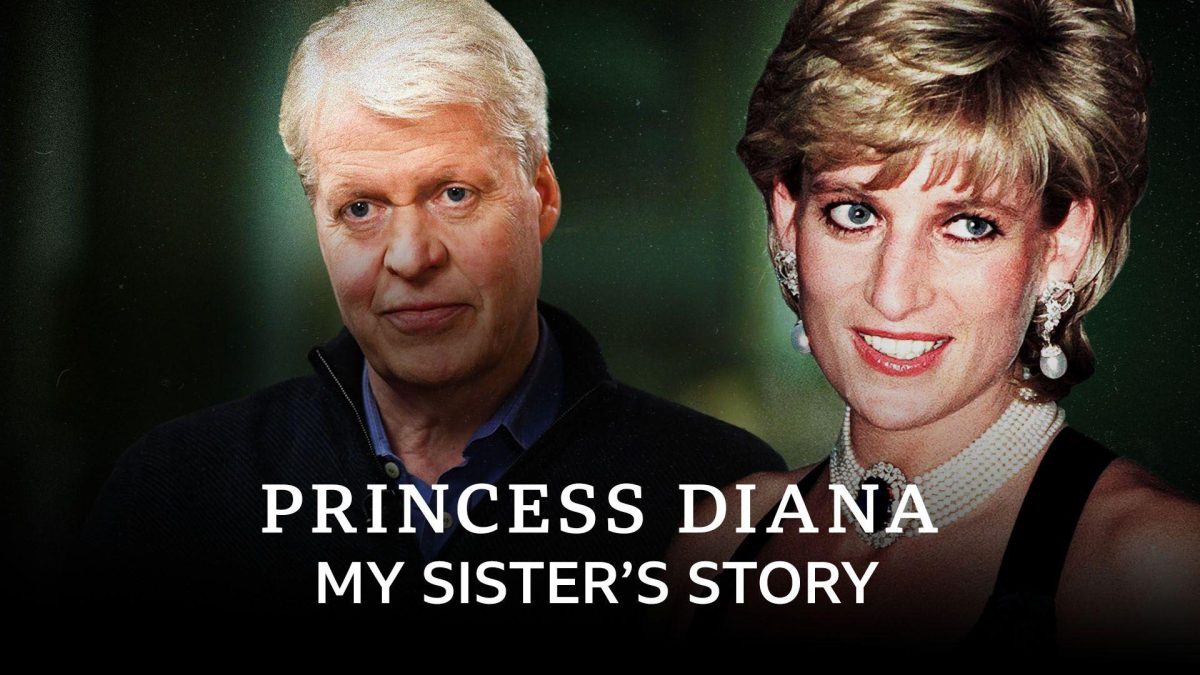
Table of Contents
Harry and Meghan’s Media Scrutiny Echoes Diana’s, Earl Spencer Says
Ninoda.com – Harry and Meghan’s media treatment has drawn comparisons with the experience of Diana, Princess of Wales, according to her brother, Earl Spencer. Speaking to the BBC from the Spencer family estate at Althorp, he said the harsh attention directed at the Duke and Duchess of Sussex reminded him of the pressure his sister faced.
Earl Spencer said sustained negative coverage can have a serious emotional impact. Although he made clear that he was not speaking for Harry and Meghan, he urged people to consider the consequences of repeated hostile reporting.
“If you look at an article in a tabloid about Diana or the couple that you were mentioning, Harry and Meghan, you know, they can be really, really unpleasant.”
Diana’s experience of public criticism
Diana married the then-Prince Charles in 1981 and became one of the most photographed women in the world. Public interest extended to her charity work, family life, marriage and relationships, while intense criticism also became a feature of coverage about her.
Her brother recalled that Diana was vulnerable to public judgement and that negative press stories could leave her deeply upset. He said the criticism brought her “really” low, making the discussion around Harry and Meghan’s media treatment especially personal for him.
Princess Diana died in a car crash in Paris on 31 August 1997 after being followed by photographers. Her death prompted lasting debate in the UK about privacy, celebrity and press conduct.
At her funeral, Earl Spencer criticised the media in an emotional eulogy, accusing it of repeatedly trying to diminish his sister. His latest comments suggest he believes concerns about intrusive coverage remain part of Diana’s legacy.
Support for Prince Harry and Prince William
Earl Spencer also rejected suggestions that he had taken sides in tensions involving the royal family. He said his support extends to both of Diana’s sons, Prince Harry and Prince William.
“I’m on my deceased sister’s sons’ side, both of them and if either of them wanted anything, then I’d be equally there for them.”
The brothers’ relationship has faced public scrutiny in recent years, particularly since Harry and Meghan stepped back from frontline royal duties and moved to California. Earl Spencer said his position was based on family loyalty rather than involvement in public disagreements.
Privacy concerns and legal action
Harry and Meghan have previously criticised sections of the British press and the support they felt they received before leaving the UK. In their 2021 interview with Oprah Winfrey, Prince Harry described tabloid coverage as creating a “toxic environment” marked by “control and fear”.
Prince Harry has also pursued legal cases relating to privacy and press practices. He won a case against Mirror Group Newspapers, while a separate dispute with News Group Newspapers ended in a settlement that included damages, a payment and an apology.
For Earl Spencer, the debate over Harry and Meghan’s media coverage is not simply about headlines. His comments underline his concern that unrelenting public criticism can carry a lasting human cost.
FAQ: Harry and Meghan’s Media Treatment
What did Earl Spencer say about Harry and Meghan?
He said the negative media attention surrounding the couple reminded him of the treatment received by Diana, Princess of Wales. He stressed that he was not speaking on their behalf.
Does Earl Spencer support only Prince Harry?
No. Earl Spencer said he supports both Prince Harry and Prince William equally as the sons of his late sister.
Why is Diana often linked to debates about the British media?
Diana experienced extraordinary press attention throughout her life. Her death in Paris in 1997 intensified public discussion in the UK about privacy, photography and the treatment of public figures.