
Presenter battles strong winds as Storm Austen hits Newquay

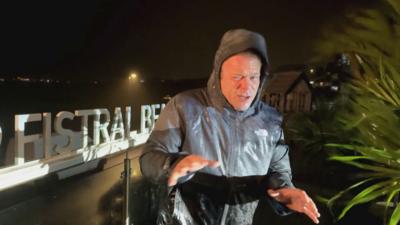
Table of Contents
Storm Austen Brings Disruption to South West England
Ninoda.com – More than 9,000 homes across Cornwall and Devon are without electricity as Storm Austen brings severe winds to parts of the UK. Conditions have become particularly difficult in exposed coastal areas, with strong gusts creating a hazardous environment for residents, travellers and emergency services.
Newquay is among the places feeling the impact as the storm reaches its most intense phase. Weather presenter Simon King is in the Cornish town as powerful winds sweep through the area, although he is reporting from a sheltered and secure position away from the coastline.
“Full force”
The description reflects the intensity of the weather arriving in the region, where coastal locations can be especially vulnerable when strong winds coincide with unsettled conditions. People are being urged to take weather warnings seriously and to avoid unnecessary exposure to dangerous conditions.
Warnings Cover Several Parts of the UK
A red weather warning has been issued for Guernsey and Jersey, signalling the most serious level of concern for wind impacts in the Channel Islands. Red warnings are reserved for conditions that may present a significant risk to life, property and essential services, making it especially important for people in affected areas to follow official safety advice.
Cornwall and parts of Devon are covered by an amber warning for strong winds. This level of alert indicates that travel disruption, damage and interruptions to services are possible. The loss of power affecting thousands of properties shows how rapidly severe weather can affect daily life, from heating and lighting to communications and the ability to work from home.
Elsewhere, a yellow rain warning is active in parts of Scotland, including the Lothian Borders. Although the warning focus differs from the wind alerts in the south-west, heavy rain can still create difficult travel conditions and raise the risk of local disruption. Drivers, pedestrians and people using public transport may need to allow extra time for journeys where wet weather is expected.
Millions More May Be Affected
The weather system is forecast to extend its reach during the morning as a yellow warning comes into force across the South East and North West of England, the East Midlands and Wales. That wider alert means millions of people could encounter strong winds or related disruption as Storm Austen moves through the country.
Yellow warnings do not mean every location will experience the same severity of weather. However, they highlight the potential for difficult conditions and provide an opportunity for households, businesses and travellers to prepare. Even where winds are less severe than in the areas under higher-level alerts, falling branches, debris, delays and disrupted transport can still cause problems.
For communities already experiencing power cuts, the immediate priority is likely to be staying safe and keeping informed. Electricity outages can affect more than lights and appliances, particularly where people rely on powered heating, communications equipment or other essential devices. Residents should use official updates to check the latest information relevant to their area.
Coastal Conditions Require Extra Care
Storms can make coastal areas especially dangerous because wind strength may be greater in exposed locations. Large waves, spray and sudden gusts can create risks near cliffs, harbours, beaches and seafront paths. Staying back from the water and avoiding exposed routes are sensible precautions while severe weather warnings remain in force.
Newquay’s position on the north Cornwall coast makes it a highly visible location during a major wind event, but the storm’s impact is not limited to the shoreline. Inland areas can also face fallen trees, damaged structures and interruptions to road or rail travel when gusts are strong enough.
Anyone planning to travel should check whether their route is likely to be affected before setting out. Conditions can change quickly, and delays may develop as operators respond to the weather. Where a journey is not essential, postponing it may be the safest option during the most severe part of the storm.
Practical Steps During Severe Weather
People in warning areas can reduce risk by securing loose outdoor items where it is safe to do so, keeping away from damaged trees and avoiding unnecessary travel in exposed locations. It is also sensible to keep mobile devices charged when possible, particularly in places where power interruptions have already been reported.
Those affected by outages may wish to conserve battery power and use reliable official channels for updates on local services. Residents should avoid approaching damaged power equipment or fallen cables, as these may present a serious danger.
Storm Austen is affecting different regions in different ways, from the strongest winds in the south-west and Channel Islands to rain concerns in parts of Scotland and broader wind alerts across England and Wales. With warnings covering a large part of the country, the key message is to remain alert, review local conditions and take sensible precautions until the weather system has passed.
Related Reading
Frequently Asked Questions
What is Presenter battles strong winds as Storm?
Presenter battles strong winds as Storm is the main topic of this guide. The article explains the context, practical details, and next steps readers should understand.
Why does Presenter battles strong winds as Storm matter?
Presenter battles strong winds as Storm matters because readers are looking for a useful answer, not just a short summary. Good content should match search intent and help them decide what to do next.