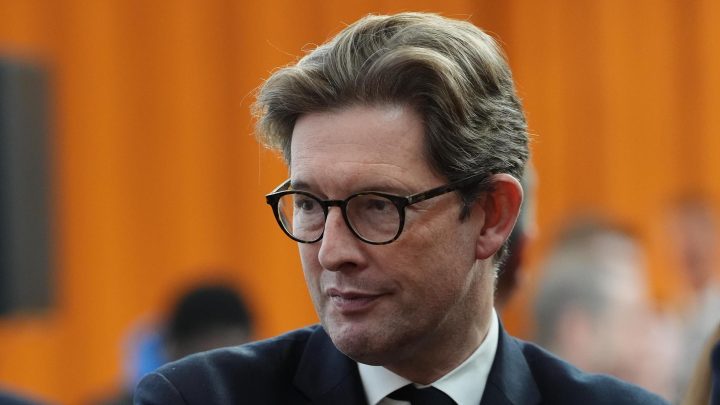
Jarvis says Labour must ‘meet the moment’ on defence spending


Jarvis says Labour must meet the moment on defence spending
Ninoda.com – Labour’s newly appointed Defence Secretary, Dan Jarvis, has reiterated the party’s commitment to addressing the pressing need for increased military funding. In a recent statement, Jarvis emphasized that the government must “meet the moment” to ensure the UK’s armed forces are adequately resourced to tackle evolving global threats. This pledge comes amid growing concerns about the country’s defence capabilities, particularly in light of recent geopolitical tensions and the need for long-term strategic planning. Jarvis, who assumed the role following the resignation of John Healey, stressed that prioritizing defence spending is not just a matter of national security but also a responsibility to the public who rely on these services for safety and stability.
The Weight of Responsibility
Jarvis has made it clear that his primary focus is on modernizing the UK’s military infrastructure and acquiring advanced equipment to maintain a competitive edge. “I feel a very strong weight of responsibility to ensure they have everything they need,” he said during a press briefing, highlighting the urgency of the task. This sentiment reflects the broader challenges faced by the government in balancing fiscal priorities while meeting the demands of a rapidly changing security landscape. With the Defence Investment Plan (DIP) still in flux, Jarvis’s leadership will be critical in navigating the complexities of resource allocation and ensuring that the armed forces are prepared for future conflicts.
The Defence Investment Plan Delays
The DIP, which was originally planned for release last autumn, has faced multiple delays due to internal disagreements and strategic recalibrations within the Labour Party. These delays have raised questions about the government’s ability to deliver on its promises, particularly as the plan outlines the funding trajectory for military assets and infrastructure over the next decade. Jarvis’s appointment signals a shift toward a more proactive approach, with the goal of finalizing the DIP before the upcoming NATO summit. However, the timeline remains uncertain, and stakeholders are watching closely to see whether the plan will be published on schedule or require further revisions.
While the exact figures of the DIP have not yet been finalized, Jarvis has outlined his vision for the future of defence spending. He argues that the current budget, which aims to increase defence expenditure to 3.5% of GDP by 2035, is a necessary step to rebuild the UK’s military readiness. This target, he explained, is rooted in the need to match the spending levels of NATO allies and ensure that the armed forces can respond effectively to threats such as hybrid warfare, cyber attacks, and potential conflicts in key regions like the North Atlantic and the Indo-Pacific. “Meeting the moment” means not only adjusting numbers but also aligning the budget with the operational realities of the modern battlefield.
Jarvis’s emphasis on urgency is underscored by the recent exit of John Healey, who had led the DIP initiative before his resignation. Healey’s departure was linked to disputes over the plan’s adequacy, particularly its projected increase in defence spending to 2.68% of national income by 2030. Critics, including Healey, argued that this target was insufficient given the escalating demands on the UK’s military. Jarvis, however, has defended the plan, stating that it provides a solid foundation for long-term investment while allowing flexibility to adapt to emerging challenges. “We must meet the moment, not just react to it,” he said, reinforcing the importance of forward-thinking strategies in national defence.
The Labour Party’s focus on defence spending has sparked debates about its alignment with broader economic goals. While some argue that increasing military funding could strain public services and social programs, Jarvis maintains that a strong defence capability is essential for economic growth and international partnerships. He pointed to the UK’s role in NATO and its commitments to collective security as justification for the plan. “Meeting the moment” also involves ensuring that the armed forces are equipped to support the country’s strategic interests abroad, such as maintaining a presence in the Mediterranean and strengthening alliances with key partners. Jarvis’s vision for the DIP aims to reconcile these priorities while setting a clear path for sustained investment in the years ahead.
As the DIP moves closer to publication, Jarvis has called for unity within the party to avoid further delays. He stressed that the plan must be robust and transparent, with clear metrics for success. “This is not just about numbers; it’s about delivering for defence and securing the future of our military,” he said. The Prime Minister, Sir Keir Starmer, has also expressed confidence in Jarvis’s ability to lead the effort, stating that the government is committed to raising defence spending to 3.5% of GDP by 2035. With the stakes high and the timeline tight, Jarvis’s leadership will be pivotal in ensuring that Labour’s defence policy meets the expectations of both the public and international allies.