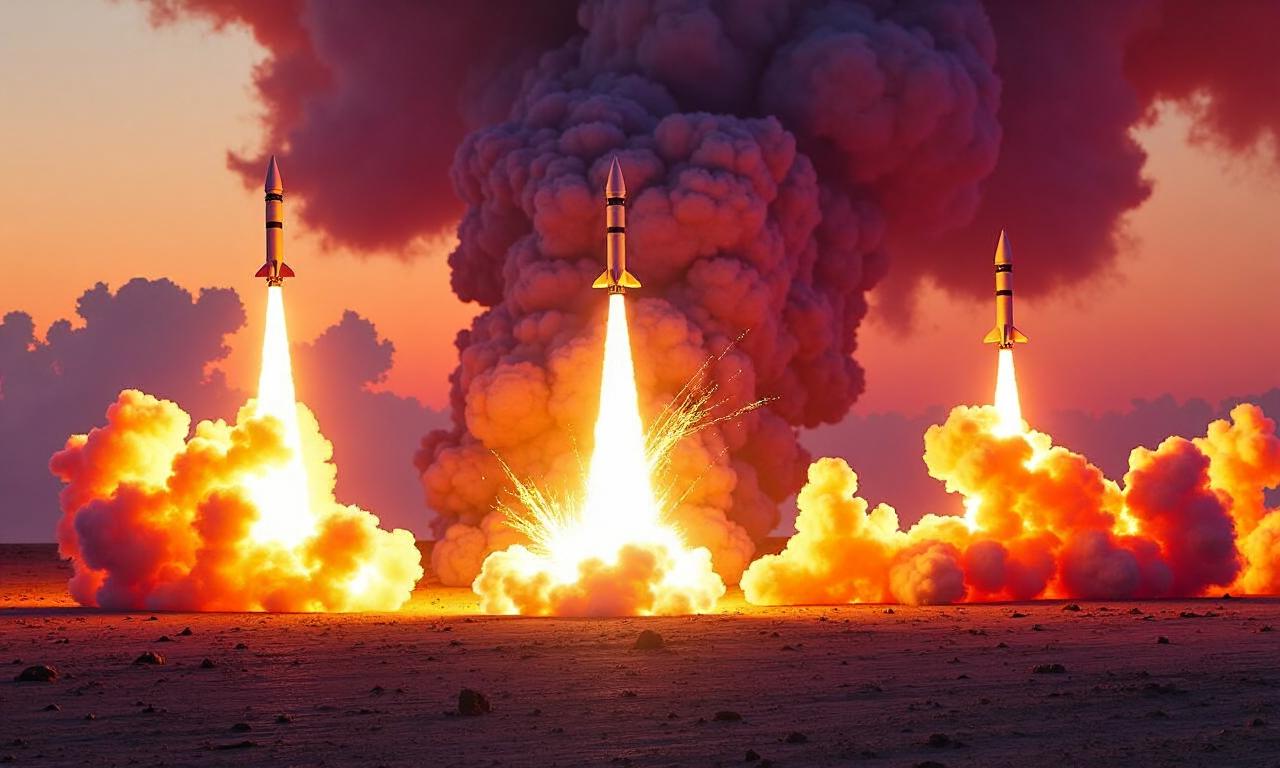
Oil price dives as US and Iran pause attacks


Oil Price Dives as US and Iran Negotiate Ceasefire
Ninoda.com – The oil price dives as US and Iran pause military operations, sparking optimism that a diplomatic breakthrough could stabilize global energy markets. Brent crude, the international benchmark for petroleum, plummeted more than 9% to reach $87.59 per barrel at one stage, representing a dramatic reversal from last week’s surge above $100. This decline followed statements from the US ambassador to the United Nations, who confirmed that American attacks on Iranian targets had been suspended for a second consecutive night to allow negotiations room to progress.
An Iranian military spokesperson announced on Sunday that Tehran had similarly suspended retaliatory strikes across the region. The escalation of hostilities between these nations had previously triggered a dramatic spike in oil prices, as fighting effectively closed the Strait of Hormuz—a critical maritime corridor responsible for transporting approximately 20% of global oil and liquefied natural gas supplies. When both countries agreed to a memorandum of understanding in June to cease military activities and restore navigation through the strait, petroleum prices retreated to pre-conflict levels near $70 per barrel.
Market Volatility Continues Amid Uncertainty
Nevertheless, the breakdown of that temporary truce earlier this month revived anxieties about worldwide energy availability and drove oil prices upward once again. During the previous week, Brent crude touched $100 per barrel for the first time since May, with additional pressure mounting after Houthi forces in Yemen targeted commercial vessels in the Red Sea. This development threatened another vital export pathway that Saudi Arabia had been utilizing to circumvent the Hormuz bottleneck. By Monday afternoon, Brent crude settled at $90.60 per barrel, representing a daily decline exceeding 6%.
“Markets are remaining cautious given the twists and turns during this conflict. There is still significant uncertainty baked into these prices and a reticence about whether negotiations will lead to a lasting breakthrough.”
Susannah Streeter, chief investment strategist at Wealth Club, provided this assessment of current market sentiment. The ongoing tension between the US and Iran has simultaneously elevated fuel costs for consumers worldwide, affecting both petrol and diesel prices across numerous nations. These increases create secondary effects throughout the economy as companies transfer additional expenses to their customers, potentially accelerating inflation rates.
Elevated inflation strengthens the likelihood that central banking authorities will implement interest rate increases to maintain price stability. In June, the European Central Bank decided to raise its primary interest rate for the eurozone for the first time in nearly three years, explicitly citing the Middle Eastern conflict as a source of inflationary pressure. Prior to the outbreak of war, market participants anticipated that the Bank of England would reduce rates during the current year. However, those expectations have shifted considerably, with financial analysts now forecasting a potential rate increase before year-end.
The Bank of England convenes its most recent monetary policy meeting this week, where officials are widely expected to maintain their benchmark rate at 3.75%. As diplomats work to establish lasting agreements between Washington and Tehran, investors continue monitoring developments closely, understanding that any resolution could significantly influence the oil price dives as US and Iran move toward de-escalation.