World Cup hydration breaks – who are the winners and losers?

World Cup Hydration Breaks – Who Are the Winners and Losers?
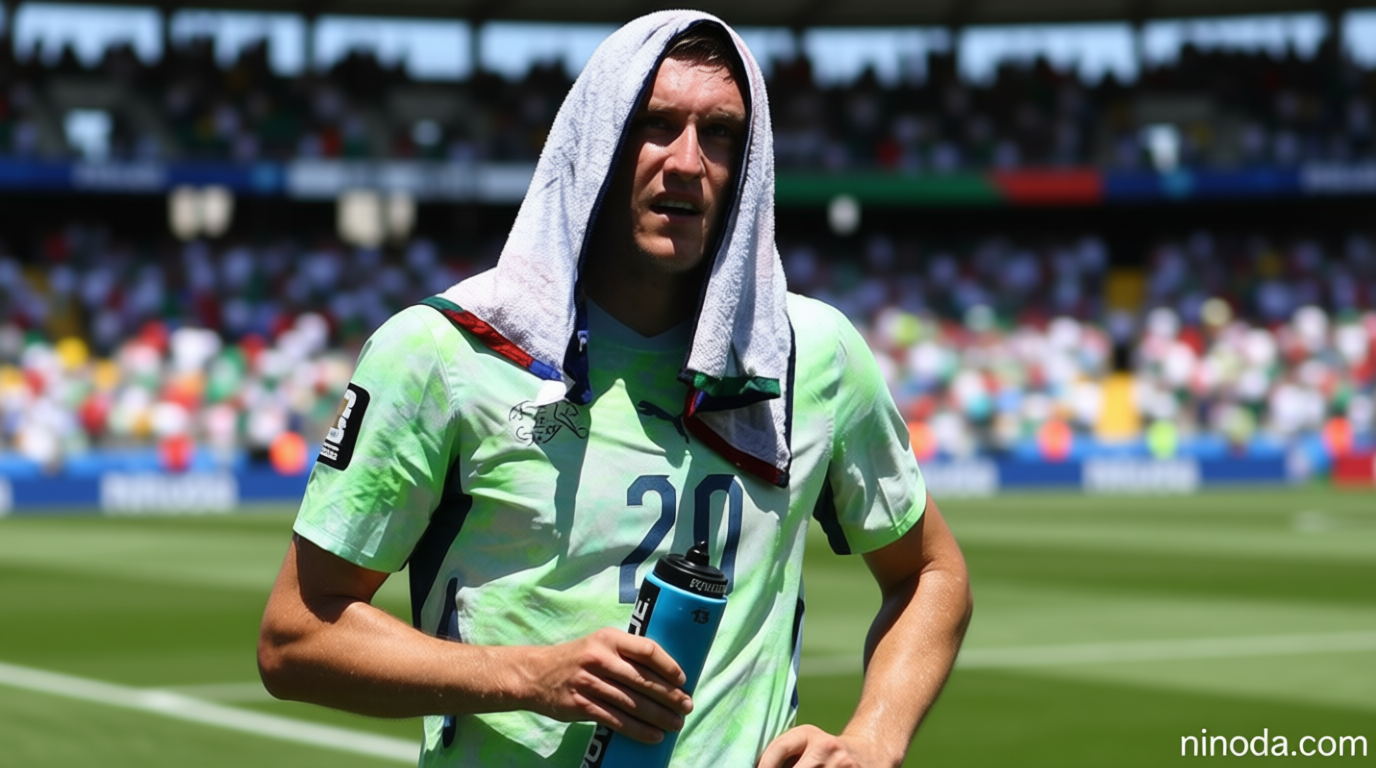
Ninoda.com – The 2026 World Cup has introduced a controversial yet strategically motivated rule: every match will pause for three minutes in each half to allow players to rehydrate. This change, centered around the focus keyword “World Cup hydration breaks,” aims to mitigate the physical strain caused by the extreme heat and humidity expected in the host nations of Mexico, Canada, and the United States. While the initiative is framed as a health-focused adjustment, it has ignited discussions about its impact on gameplay and team dynamics.
The Concept and Purpose of Hydration Breaks
The decision to implement hydration breaks reflects a growing emphasis on athlete well-being in high-stakes tournaments. With temperatures projected to soar during matches, especially in the United States, the rule ensures players can access fluids and rest in controlled environments. These breaks are designed to prevent dehydration, which can impair performance and increase the risk of heat-related injuries. However, critics argue that the rule may prioritize commercial interests over the natural rhythm of the game, particularly in stadiums with retractable roofs that offer climate stability.
Case Studies: Teams That Benefited and Suffered
Several teams have leveraged the hydration breaks to their advantage. In the opening matches, Brazil’s equalizer against Morocco came shortly after a break, during which manager Carlo Ancelotti adjusted tactics. Similarly, Canada’s goal against Bosnia-Herzegovina and Scotland’s victory over Haiti were influenced by the pause, allowing teams to regroup and execute strategic changes. These instances highlight how the “World Cup hydration breaks” can disrupt momentum and create opportunities for underdogs to level the playing field.
Conversely, some teams have struggled to maintain their lead. Curacao’s 7-1 defeat to Germany was partly attributed to the loss of momentum following a first-half break, while the Czech Republic’s early dominance against South Korea evaporated during a pause. The Netherlands, who led Japan 2-1 before the second-half break, also failed to capitalize, ending in a 2-2 draw. These examples underscore the rule’s dual role as both a lifeline and a potential hindrance to teams.
Player and Coach Reactions to the Rule
The “World Cup hydration breaks” have sparked mixed responses from players and coaches. Juan Mata, a 2010 World Cup winner, expressed his frustration with the interruptions, stating,
“As a player, I don’t think it’s great. When you’re losing, you want to score, and when you’re winning, you want to keep the ball. I think they break the momentum.”
His comments reflect a broader concern that the breaks may disrupt the flow of play, especially in high-intensity moments.
Meanwhile, Emma Hayes, coach of the US women’s team, viewed the breaks as a tactical tool.
“It’s advantageous for the team losing momentum,” she noted. “That’s why I call them momentum breaks. When you’re on top, you don’t want it; when you’re losing, you do. Sometimes it’s not even coaching [during the break]. It’s about taking on fluid and calming players.”
Her perspective highlights how the rule could be used strategically, offering a chance for teams to recalibrate and recover.
Despite the debate, the “World Cup hydration breaks” remain a permanent fixture of the tournament. While some argue they are a necessary adaptation to the climate, others see them as an overcorrection for broadcasting needs. As the competition progresses, the effectiveness of the rule will be closely monitored, with its long-term impact on the game yet to be fully determined.