
Burnham says he told Trump UK will be pragmatic about North Sea oil

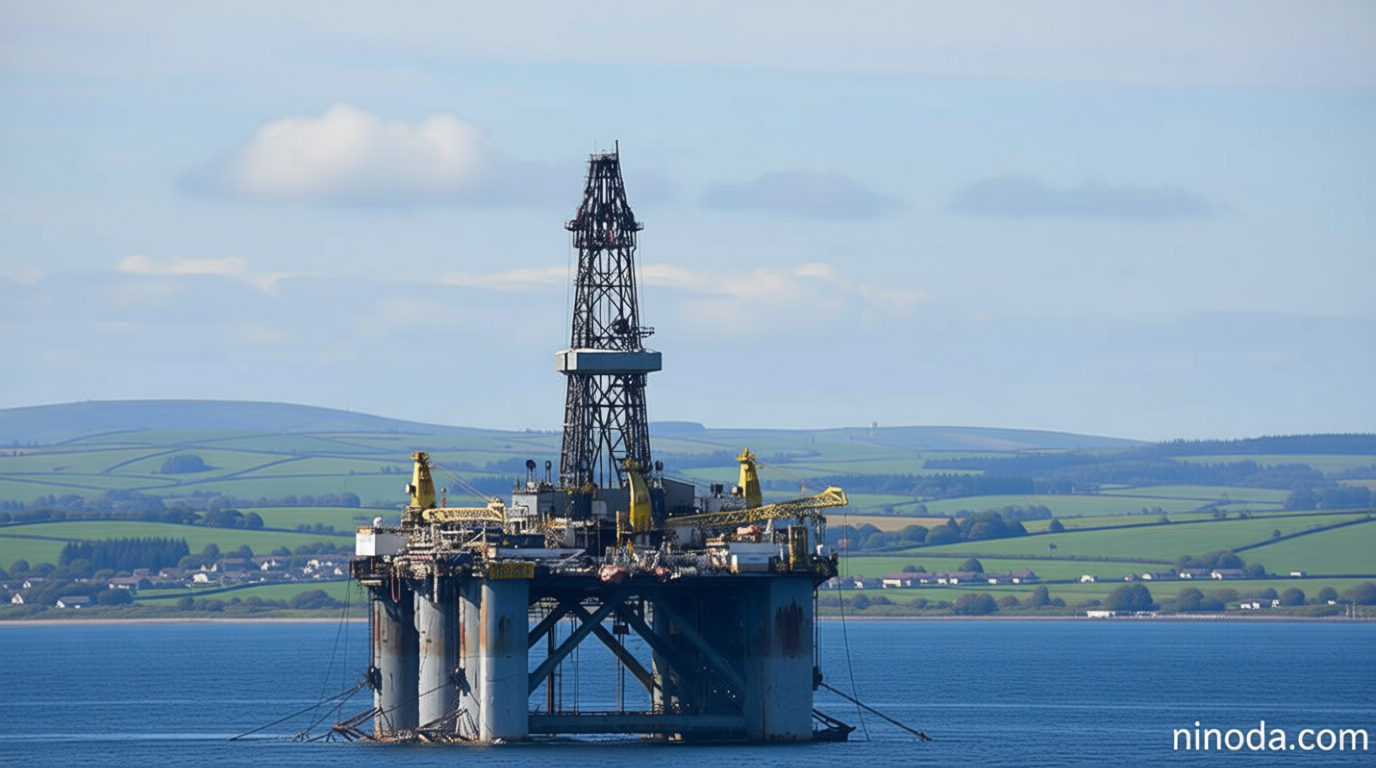
Burnham Outlines Pragmatic Stance on North Sea Energy Resources
Ninoda.com – UK Prime Minister Andy Burnham has communicated to American President Donald Trump his intention to adopt a measured strategy regarding North Sea oil and gas development. During their initial telephone conversation, Trump asserted that Burnham committed to expanding North Sea operations. When questioned about these claims, the newly appointed prime minister clarified his position.
“There is a resource there. When people are struggling – you can’t ignore that and hence me indicating that to the president.”
The new leader has encountered demands from various quarters—including trade unions, business representatives, and fellow Labour parliamentarians—to support expanded drilling activities. Under Labour’s 2024 election platform, the party committed to maintaining current drilling licenses while declining to grant additional ones.
Political Context and Previous Positions
Ed Miliband, who served as energy secretary under Sir Keir Starmer’s administration, strongly backed Labour’s original stance on drilling. He characterized the authorization granted to Rosebank—Britain’s most significant untapped hydrocarbon reserve—as “climate vandalism.” Miliband now holds the position of foreign secretary within Burnham’s cabinet.
Despite no official government declarations on the matter, Trump has publicly commended what he interprets as a shift in British policy. Before Burnham assumed the premiership, the American president shared a message on social media:
“The People of Aberdeen, in Scotland, are dancing in the streets because the new Prime Minister, Andy Burnham, has stated that he will be opening up, all the way, the invaluable North Sea Oil!”
During recent discussions about his exchange with Burnham, Trump remarked: “He said he’s going to open up North Sea oil. If he does that, you’re going to be a wealthy country.” He continued by noting Britain’s energy imports from the region, particularly from Norway, which “gets it from the North Sea” and “has trillions of dollars in the bank.” Trump further emphasized that “Scotland has a better part of the North Sea.”
Reactions from Across the Political Spectrum
Addressing Trump’s observations, Burnham explained: “I indicated in the phone call that we had a week last Monday that I would take a pragmatic approach when it comes to the North Sea, and that is my intention as we go forward from here.”
Green Party leader Zack Polanski responded with concern about environmental consequences:
“Our country is burning. Crops are failing. Thousands have been killed by extreme heat. Allowing new oil and gas drilling in the North Sea will worsen the climate breakdown putting more lives at risk and doing untold damage to our economy. It’s not too late for Burnham to do the right thing and commit to leaving dangerous fossil fuels in the ground.”
Both the Conservative and Reform parties have advocated for increased North Sea drilling, contending it would lower energy costs. Tory Party leader Kemi Badenoch previously stated it would be “absurd” for the UK to neglect “vital resources untapped.” Meanwhile, certain Labour members have voiced reservations, with Rachael Maskell calling on the government to “follow the climate science because we have got a climate emergency.”
Simon Francis of the End Fuel Poverty Coalition challenged the economic benefits argument:
“No household struggling with their energy bills will see a penny come off by drilling more from the North Sea. Gas is sold at the global market prices, so whatever is pumped out is sold to the highest bidder, not handed to British billpayers at a discount.”
Regulatory Landscape and Future Options
Starmer’s administration had already introduced flexibility by permitting “tie-backs”—extraction in unlicensed zones adjacent to or linked with licensed territories. The current discussion centers primarily on two Scottish hydrocarbon sites: Rosebank and Jackdaw. Regulatory bodies authorized drilling at both locations during 2022 and 2023, though these decisions were reversed in 2025 after legal challenges. While proceedings continue, authorities must eventually determine whether to allow production from these areas.
Additional licenses have been granted in recent years but remain mostly undeveloped. Should Burnham wish to stimulate further North Sea activity, he could eliminate the Energy Profits Level, commonly referred to as the windfall tax.
Sign up for our Politics Essential newsletter to read top political analysis, gain insight from across the UK and stay up to speed with the big moments. It’ll be delivered straight to your inbox.