Watch: Elephant smashes through bus windscreen during attack

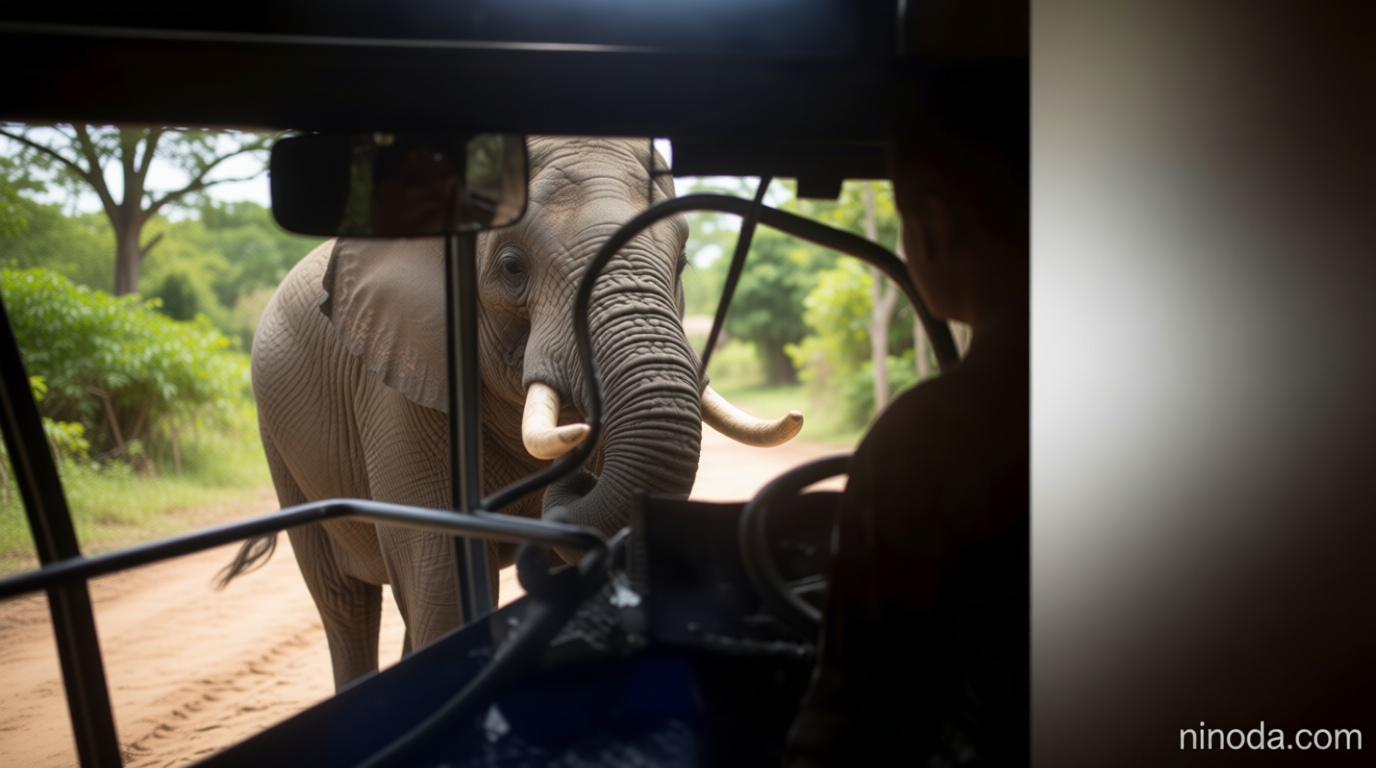
Watch: Elephant smashes through bus windscreen during attack
Ninoda.com – On June 23, a dramatic video emerged from Sri Lanka, capturing a wild elephant’s powerful charge against a bus transporting military personnel in the southern town of Kirinda. The footage, which has since gone viral on social media, shows the massive animal breaking through the vehicle’s windshield with astonishing force, sending debris flying and creating a moment of chaos. While no injuries were reported among the passengers, the incident highlights the unpredictable nature of wildlife encounters in regions where human expansion encroaches on natural habitats. The event has sparked renewed discussions about coexistence strategies and the challenges of managing wildlife in densely populated areas.
The Attack in Kirinda
The footage begins with the bus moving slowly along a rural road, likely heading toward a checkpoint or patrol area. Suddenly, the elephant charges from the roadside, its tusks glinting in the sunlight as it swipes at the vehicle. The impact is immediate and violent—shattering the front windshield and causing the driver to lose control. The elephant’s sheer size and strength are evident, as it continues to press forward, seemingly unphased by the damage it has caused. Although the bus eventually stops, the incident underscores the danger that elephants pose to human activity, particularly in areas where their migration paths intersect with roads.
Understanding Elephant Behavior
Wild elephants in Sri Lanka are known for their intelligence and strong family bonds, which often drive their behavior in human-populated regions. During the attack, the elephant may have been reacting to perceived threats, such as the bus’s proximity to a herd or the presence of humans. Conservationists note that such incidents are not uncommon, as habitat fragmentation forces elephants to venture closer to settlements in search of food and water. The Sri Lanka Wildlife Department has previously reported that over 500 elephants are killed annually in human-elephant conflicts, with vehicle collisions being a significant cause. This incident in Kirinda adds to that growing list, offering a vivid example of how these encounters can unfold.
Historical Context of Human-Elephant Conflicts
Elephant attacks on vehicles in Sri Lanka have been a recurring issue for decades, with many incidents linked to the country’s expanding infrastructure. The southern province, where Kirinda is located, has experienced rapid development, including the construction of highways and agricultural plantations, which have reduced the elephants’ natural habitats. This has led to increased interactions between elephants and humans, often resulting in dangerous situations. The Kirinda incident is part of a broader pattern, with similar attacks reported in nearby areas such as Uva and Ampara. Local communities have grown accustomed to these events, but the viral nature of the video has intensified public awareness and concern.
Conservation Efforts and Challenges
Efforts to mitigate human-elephant conflicts in Sri Lanka have included the creation of wildlife corridors, community education programs, and the use of early warning systems. However, the Kirinda attack demonstrates how these measures may not always prevent collisions, especially in high-traffic zones. The Sri Lanka Wildlife Department has emphasized the need for better road planning and elephant-friendly infrastructure, such as fencing and signage, to reduce risks. Despite these initiatives, the growing human population and land-use changes continue to challenge conservationists. The video of the attack has become a powerful tool for raising awareness, prompting calls for more urgent action to protect both elephants and human lives.
Community Response and Future Implications
Residents of Kirinda and surrounding areas have expressed a mix of fear and admiration for the elephant’s strength, with many sharing the video to highlight the animal’s role as both a threat and a symbol of nature’s power. Local authorities have since inspected the incident site, discussing the possibility of implementing additional safety measures, such as elephant barriers or modifying bus routes. The event has also reignited debates about the ethical treatment of elephants and the balance between development and conservation. As the video circulates globally, it serves as a reminder of the importance of sustainable practices and the need for communities to adapt to the realities of sharing space with wildlife. The attack may inspire new policies or technologies to prevent such incidents in the future, ensuring safer interactions for all.