Australian police reveal unseen photos 25 years after British backpacker murder

Australian Police Unveil Unseen Photos 25 Years After British Backpacker Murder
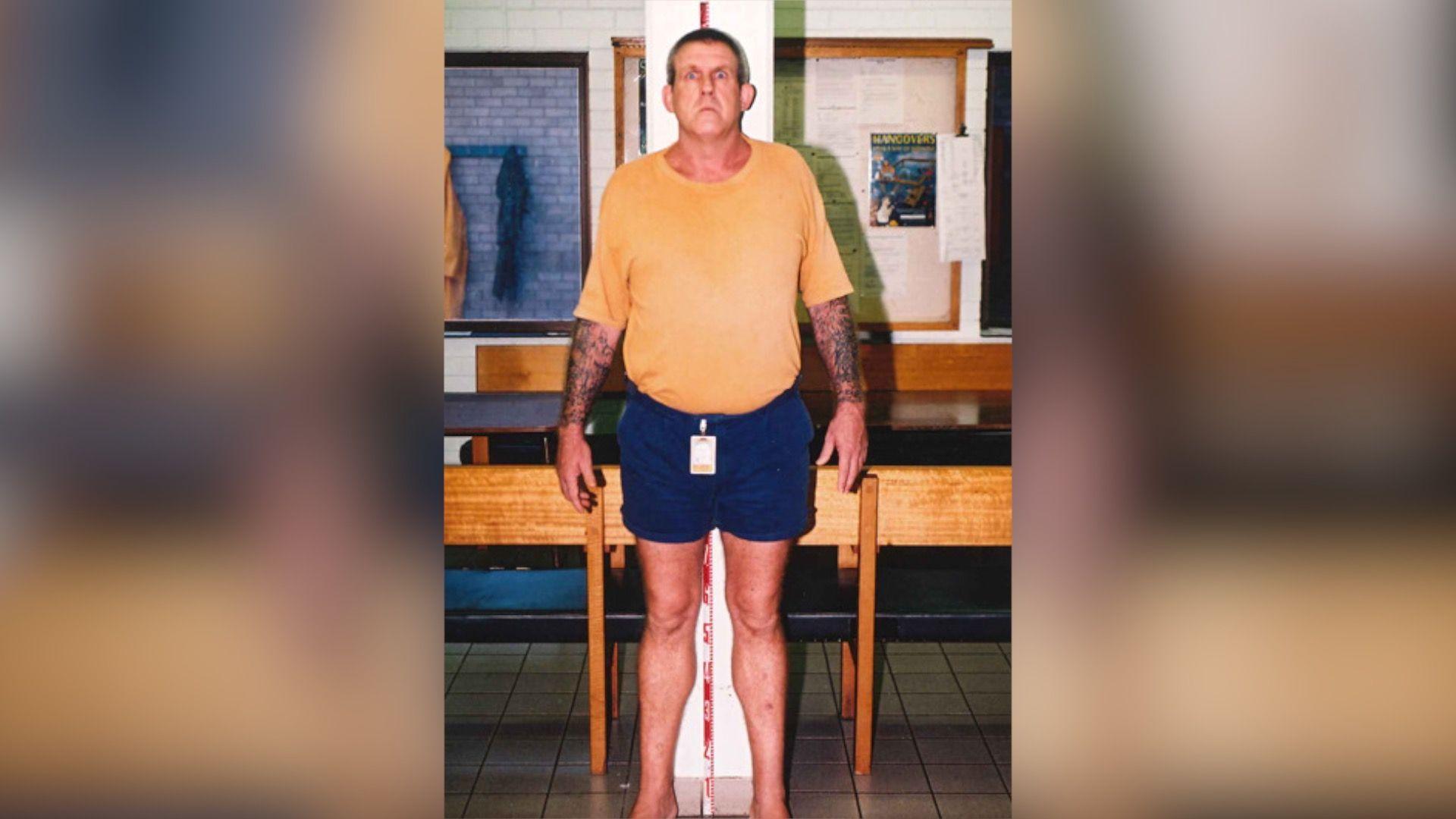
Ninoda.com – Australian police reveal unseen photos 25 years after British backpacker Peter Falconio’s murder, bringing renewed attention to the unresolved case. The Northern Territory Police released previously hidden images as the 25th anniversary of the 2001 crime approached, hoping to uncover fresh insights or spark public recollection of the events. Falconio, a 24-year-old from Huddersfield, was killed on a secluded stretch of road near Barrow Creek, about 186 miles (300km) north of Alice Springs. His body remains missing, and the new visual evidence could be pivotal in solving the mystery that has lingered for over two decades.
Revisiting a Tragic Crime Scene
The released photographs capture the crime scene in vivid detail, offering a glimpse into the remote location where Falconio’s life was tragically cut short. These images, including a panoramic view of the orange Volkswagen Kombi van that was later found abandoned on the Stuart Highway, are part of an ongoing effort to piece together the events of that fateful night. Crime scene photos highlight the isolation of the area, which has been central to the investigation’s challenges. During his 2005 trial, Bradley Murdoch claimed to have seen sparks from Falconio’s van and shot him in the head while inspecting the vehicle. The new evidence aims to validate or challenge his account, providing clarity to a case that has been shrouded in uncertainty.
“The release of these images is a significant step in our quest for answers,” said NT Police Commissioner Martin Dole. “While we have established Murdoch’s guilt, the absence of Falconio’s remains has left his family and the community with unresolved questions. We are optimistic that these photos will help us find the final piece of the puzzle.”
Joanne Lees’ Survivor’s Story
Joanne Lees, Falconio’s girlfriend, survived the attack after escaping from Bradley Murdoch, who had bound her wrists with cable ties. The released photographs include a harrowing image of her state shortly after the incident, capturing the physical and emotional toll of the assault. Murdoch, 43 at the time, was convicted of Falconio’s murder and the attack on Lees in 2005, but he maintained his innocence until his death last year at age 67 from throat cancer while in custody. The new visuals not only document the crime but also serve as a poignant reminder of the trauma experienced by the survivor and the family.
The case, which shocked the Australian outback, has captivated public interest for over two decades. The photos, now shared with the public, are part of a broader strategy to re-examine the evidence and reignite hopes for closure. Murdoch’s final interview, captured in bodycam footage released a few days prior, saw him questioned about the location of Falconio’s remains. His silence in that moment has become a focal point for investigators, who believe it may have withheld crucial information.
Public and Family Expectations
The release of these unseen photos aligns with growing public demand for transparency in the case. For 25 years, the Falconio family has waited for the answers they believe the evidence can provide. The images are expected to serve as a catalyst for new inquiries, particularly as the anniversary of the murder highlights the passage of time and the persistence of the search. A reward of up to A$500,000 has been offered for information leading to the discovery of Falconio’s remains, underscoring the urgency with which authorities approach this milestone.
“The 25th anniversary is a chance to reflect on what we have learned and what still remains unknown,” added Commissioner Dole. “These photos are a powerful tool in our investigation, and we remain committed to ensuring Peter’s family can finally find peace.”
The Role of New Evidence in Cold Case Investigations
Releasing unseen photos 25 years after the crime is a strategic move in cold case analysis, where fresh perspectives can reveal overlooked details. The images provide a unique opportunity for experts to scrutinize the scene with new technology or cross-reference with existing records. This approach is common in long-standing investigations, where re-examining evidence can lead to breakthroughs. The van, which played a key role in the crime, is now under renewed scrutiny, with its condition and any potential clues being reevaluated in light of the new visual data.
Authorities emphasize that while the murder of Peter Falconio has been solved, the disappearance of his body continues to haunt the case. The 25-year gap has allowed for a deeper analysis of the evidence, yet the lack of a definitive discovery has kept the mystery alive. The release of these photos is part of a broader effort to engage the public and encourage anyone with new information to come forward, ensuring that the search for closure remains a priority.
Legacies and the Impact of a 25-Year Investigation
The case has left a lasting impact on Australian society, symbolizing the challenges of solving crimes in remote areas. As the 25th anniversary approaches, the release of unseen photos serves as a reminder of the importance of perseverance in investigations. Peter Falconio’s story has become a part of national memory, with his murder often cited as a turning point in public awareness of safety in the outback. The new visual evidence, combined with ongoing efforts, reflects the dedication of Australian police to honor the victim’s legacy and ensure justice is served, even after two decades of searching.