Uganda’s leading media outlets shut down by army chief

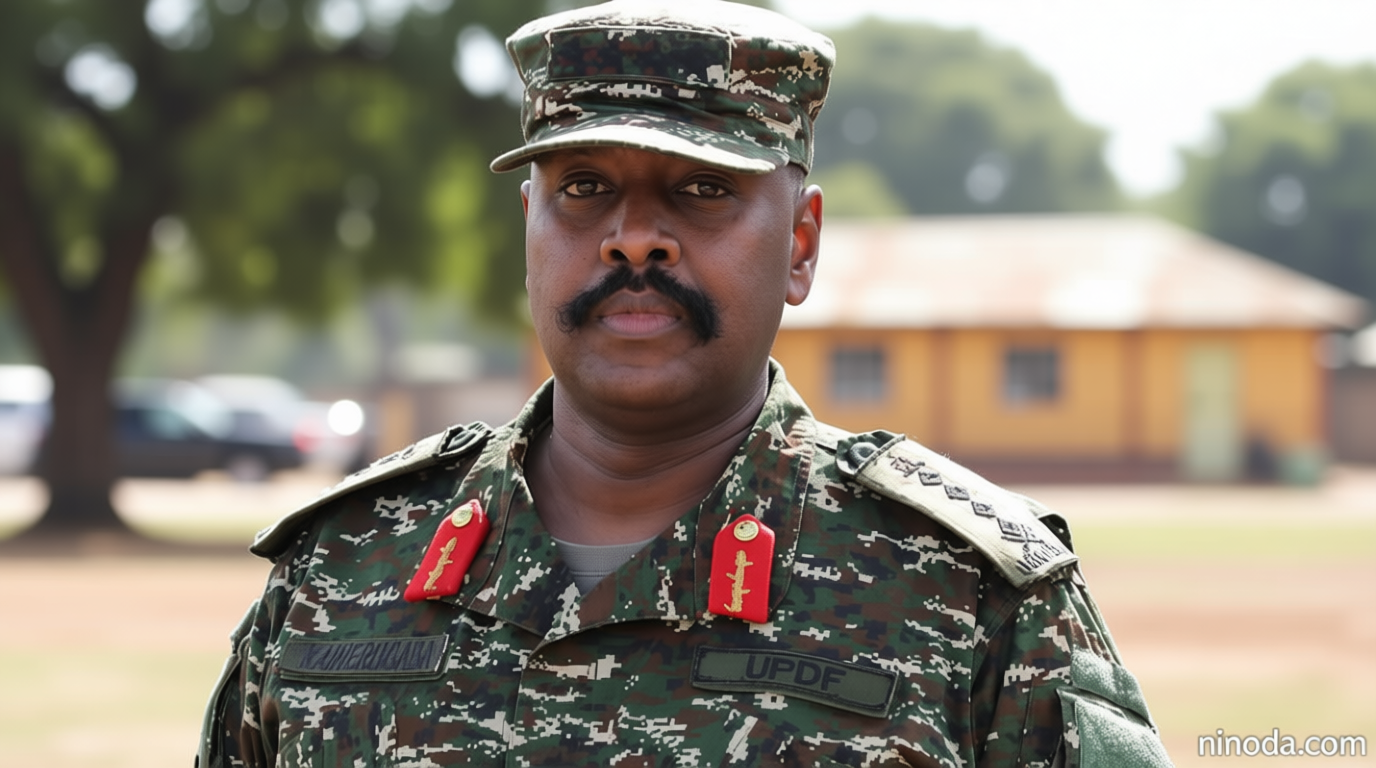
Table of Contents
Uganda’s Media Under Siege as Army Chief Orders Closures
Ninoda.com – Gen Muhoozi Kainerugaba, the son of President Yoweri Museveni, has taken decisive action against Uganda’s leading media outlets, sparking concerns over the erosion of press freedom. The move, which saw the closure of several prominent news organizations, has been described by critics as a “military siege” on the media, with reports indicating that armed soldiers were stationed outside the headquarters of the Daily Monitor in Kampala. This targeted intervention has drawn comparisons to past instances of media suppression, raising questions about the stability of Uganda’s democratic institutions.
The Crackdown and Its Justification
According to Gen Kainerugaba, the closures are part of a broader effort to align the media with the principles of the revolutionary movement. He asserted on X that the press must be guided by “cadres of the revolution,” emphasizing his authority to enforce this alignment. The National Broadcasters Association has criticized the shutdowns as a constitutional violation, arguing that they undermine the role of independent journalism in holding power accountable. While the exact reason for the closures remains unclear, the timing coincides with political tensions surrounding Museveni’s recent victory in the January elections.
Historical Precedents of Media Control
Uganda’s leading media outlets have long been at the center of political discourse, often serving as a platform for critical reporting. However, their role has been subject to scrutiny and intervention throughout Museveni’s 35-year rule. For instance, in 2007, NTV was forcibly shut down due to its coverage of electoral disputes, and in 2013, the Daily Monitor faced a police raid over a letter linking officials to the “Muhoozi Project.” These events set the stage for the current crackdown, with Gen Kainerugaba claiming that his father, President Museveni, granted him the power to close media outlets without prior consultation.
The decision to shut down Uganda’s leading media outlets has been accompanied by statements from Gen Kainerugaba that highlight his vision for media regulation. He stated on X that “from now on, ALL media in Uganda will follow the rules,” signaling a shift toward stricter control. This approach aligns with his father’s legacy of consolidating power through media influence, a strategy that has been used to shape public opinion and suppress dissent. The closures also follow previous incidents, such as the disruption of opposition rallies and the use of security forces to intimidate critics during the January elections.
Reactions from Opposition and Civil Society
Opposition figures and human rights organizations have condemned the closure of Uganda’s leading media outlets as a deliberate attempt to silence independent voices. Exiled candidate Bobi Wine accused Gen Kainerugaba of “moving to silence Uganda’s remaining independent voices,” describing the situation as one where “force replaces accountability.” Such criticisms come amid concerns that the military’s growing influence is threatening the balance of power within the country. The United Nations has also noted the election environment as “marked by widespread repression and intimidation,” suggesting a pattern of control that extends beyond the media.
Despite the backlash, supporters of Gen Kainerugaba argue that the closures are necessary for maintaining stability and promoting economic growth. They view the action as part of a strategic move to ensure media alignment with national priorities. This perspective is echoed by some analysts who believe the closures are designed to prepare the younger Kainerugaba for a future leadership role. As Uganda’s leading media outlets face the prospect of reduced autonomy, the debate over press freedom continues to intensify, with implications for the country’s democratic processes and public discourse.
The Broader Implications for Press Freedom
The closure of Uganda’s leading media outlets marks a pivotal moment in the nation’s media landscape, reflecting a growing trend of government control over information. Analysts warn that this move could set a precedent for future actions, where media outlets may be compelled to self-censor or risk shutdown. The BBCAfrica.com site examines whether East African governments are adopting similar measures to suppress dissent, highlighting the region’s political climate. With Gen Kainerugaba’s authority expanding, the question remains: how will this impact the independence of Uganda’s press and the broader freedom of expression in the country?