Clacton by-election attracts 34 candidates

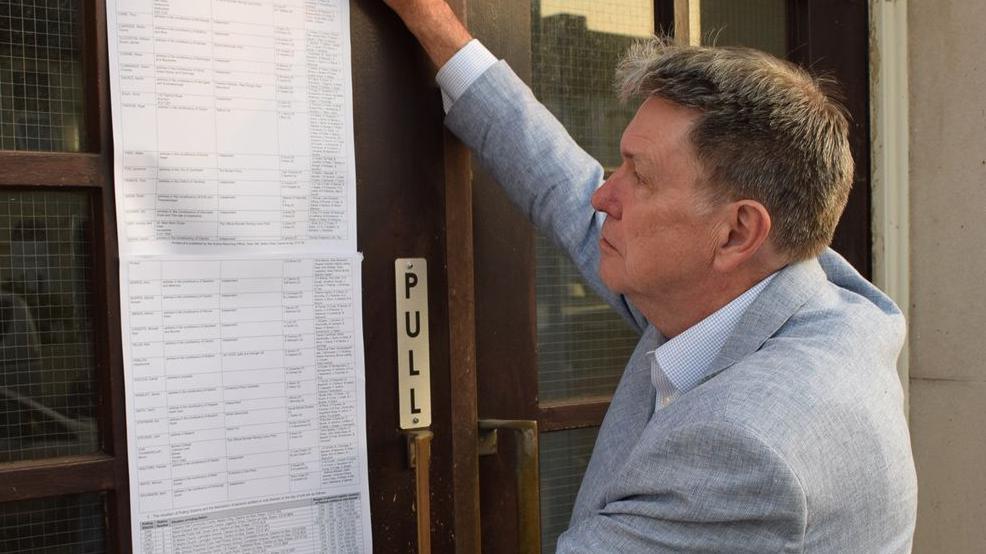
Table of Contents
Clacton By-Election Sets Record with 34 Candidates
Ninoda.com – The Clacton by-election, set for 13 August, has become a focal point of political attention due to its unprecedented number of candidates—34 in total. This figure surpasses the previous record of 26 contenders, which was set during the Haltemprice and Howden by-election in July 2008, following the resignation of Conservative Sir David Davis. The current contest stems from Nigel Farage’s departure as MP on 7 July, after he faced intensified financial scrutiny and a parliamentary inquiry. The sheer number of candidates highlights the competitive nature of the Essex seat and the diverse political and social interests represented in the race.
Record-Breaking Field of Candidates: A Reflection of Political Dynamics
The record number of candidates in the Clacton by-election underscores a broader trend in contemporary British politics, where traditional party lines are increasingly challenged by a mix of independent, satirical, and niche groups. With 34 names on the ballot, the race has drawn comparisons to the chaos of general elections, offering voters a unique opportunity to engage with a wide range of perspectives. This surge in participation is not just a numerical anomaly; it reflects a growing disillusionment with mainstream parties and a desire for more localized or issue-driven representation. The Clacton by-election thus serves as a microcosm of the shifting political landscape in the UK.
Historical Context of Clacton By-Elections
Clacton’s by-election history has always been marked by high stakes and vibrant competition. The previous record of 26 candidates in 2008 was set after Sir David Davis resigned, leaving the constituency in a state of uncertainty and attracting a variety of aspirants. However, the 2024 contest has surpassed that mark, with 34 candidates now vying for the seat. This makes the Clacton by-election the most crowded in modern British electoral history, capturing the attention of both local and national observers. The event is expected to generate significant media coverage and public debate, further amplifying its importance.
The diversity of candidates in the Clacton by-election is a notable feature. While Farage, the Reform UK leader, is the only major party candidate, the rest are independent or from smaller parties. This dynamic is emblematic of the fragmented political environment, where local issues often take precedence over national party strategies. The inclusion of satirical parties like the Monster Raving Loony Party, which has fielded three candidates, adds an entertaining dimension to the race. Meanwhile, the presence of prominent figures such as Laurence Fox, an actor making a political debut, underscores the celebrity influence that can shape electoral outcomes.
Independent and Niche Parties Dominating the Race
Of the 34 candidates, 20 are independent, indicating a strong grassroots movement in the constituency. This is a marked departure from previous by-elections, where major parties typically dominated the field. The Independent candidates, such as Joseph 77 and Tony Cane, have been vocal about their platforms, emphasizing issues like local governance, community development, and environmental sustainability. The other 14 candidates come from niche or satirical parties, including the Monster Raving Loony Party, which brings a comedic angle to the political process. These groups, though not traditionally significant, contribute to the democratic process by ensuring a plurality of voices are heard.
Farage’s decision to run again, despite his resignation, has sparked discussions about the strategic and symbolic implications of his candidacy. As a former UKIP leader and now Reform UK’s figurehead, his return to the fray adds a layer of intrigue to the Clacton by-election. Political analysts suggest that his presence could rally support from his party’s base while also drawing in voters who are curious about his campaign. The race is seen as a test of political resilience, with Farage’s continued involvement in the Clacton by-election attracting both praise and criticism from across the spectrum.
The Clacton by-election’s high turnout potential is another key factor. With such a large number of candidates, voters may feel more empowered to choose their preferred option, leading to increased engagement. However, this also means that the race could become highly competitive, with each candidate needing to differentiate themselves in a crowded field. The election has already generated excitement, with some candidates leveraging social media and local events to build their profiles. As the campaign progresses, the Clacton by-election is expected to become a defining moment in the UK’s political calendar.
The record number of candidates in the Clacton by-election also raises questions about the efficiency of the electoral process. While a large field can enhance democratic representation, it may also complicate voter decision-making and increase the cost of campaigning. Despite these challenges, the Clacton by-election remains a compelling example of how political landscapes can shift rapidly, especially in constituencies with a history of electoral unpredictability. The outcome of this by-election will not only determine the next MP but also provide insights into the evolving dynamics of UK politics.