South Korea football coach quits as president calls for probe into World Cup loss

South Korea Football Coach Quits After World Cup Exit
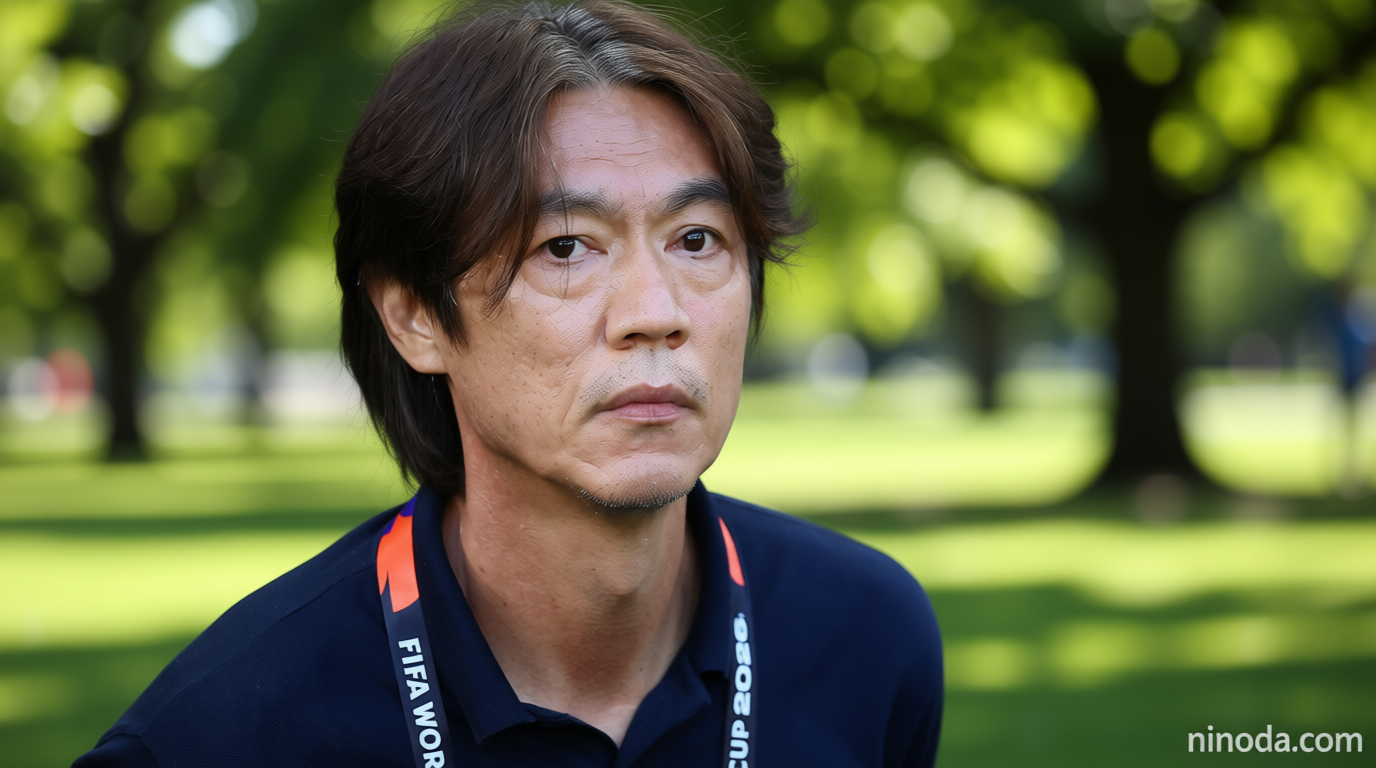
Ninoda.com – South Korea football coach quits as president calls for a probe into the team’s unexpected early exit from the World Cup. The decision by head coach Hong Myung-bo has sparked widespread discussion, with the nation’s sports fans and political leaders reacting to the squad’s failure to progress beyond the group stage. Despite a 32nd-place ranking in FIFA’s men’s world rankings, South Korea’s campaign ended in disappointment, leaving them third in Group A with a record of one win and two losses. The results have led to renewed scrutiny of the coaching selection process and the leadership of the Korea Football Association (KFA).
President Lee Condemns Coaching Selection
President Lee Jae Myung has publicly criticized the KFA for its handling of the national team’s management, accusing the organization of prioritizing personal connections over technical expertise. In a statement on social media, the president described the team’s performance as a “failure of organisation and personnel,” emphasizing the need for an investigation into the decisions that led to Hong’s appointment. The remarks follow a heated debate over whether cronyism influenced the selection of the coach, with some arguing that his return to the role in 2024 was a political move rather than a strategic one.
“We didn’t deliver the results our fans expected,” Hong said during a press conference in Mexico. “Even though I’m leaving the national team, I’m not abandoning Korean football. I’ll continue to support the squad with all my heart and hope they regain the trust of the people.”
The team’s 1-0 loss to South Africa on Thursday marked the final blow to their World Cup hopes, finishing with a record that placed them behind Mexico and South Africa in their group. This outcome was particularly jarring for fans, who had rallied behind the squad during its early matches. The sudden collapse of their campaign has raised questions about the effectiveness of Hong’s tactics, the players’ motivation, and the overall direction of Korean football at the international level.
Controversial Return to Coaching Role
Hong Myung-bo’s return to the national team in 2024 was met with skepticism, as many questioned the rationale behind his reappointment. The coach, who led the 2002 World Cup squad to a historic semi-final, had previously overseen a 2014 campaign that also ended in group stage elimination. His experience as a player and his track record with the team’s youth development were cited as reasons for his hiring, but critics argue that his appointment lacked transparency and long-term vision.
South Korea football coach quits as the controversy over his leadership intensifies, with fans demanding accountability and a review of the KFA’s decision-making. Online platforms have become a battleground for supporters and detractors, with some calling for Hong to take responsibility while others defend his efforts. The political dimension of the situation has also emerged, as the president’s criticism underscores the broader tensions between sports management and national pride.
Following the World Cup exit, the KFA has faced pressure to explain its choices, particularly the decision to appoint Hong after a series of high-profile failures. Analysts suggest that the appointment was driven by a combination of his tactical knowledge and his ability to inspire younger players, but the results have cast doubt on these claims. The resignation of Hong Myung-bo marks a pivotal moment for South Korean football, which now needs to rebuild its reputation on the global stage.
As the dust settles, the focus shifts to the future of the national team. With the South Korea football coach quits, the KFA is expected to announce a new interim head coach in the coming weeks. The search for a replacement will likely prioritize technical ability and a clear strategy to reverse the current slump. Meanwhile, the president’s call for a probe highlights the growing political interest in the sport, setting the stage for a deeper examination of the factors that contributed to the World Cup loss.