Are Portugal better without Ronaldo – and is he undroppable?

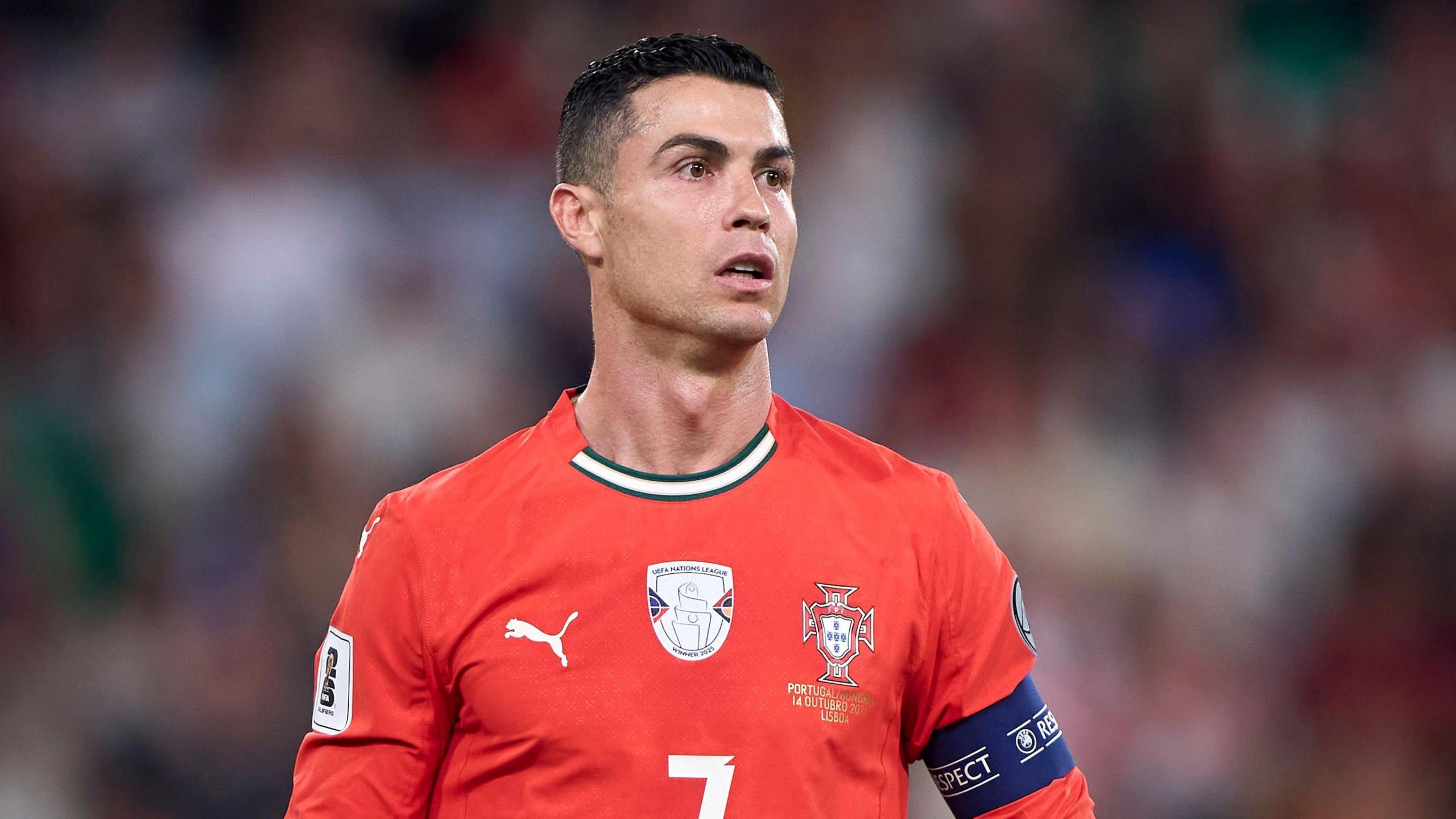
Are Portugal better without Ronaldo – and is he undroppable?
The Crucible of a Legendary Debut
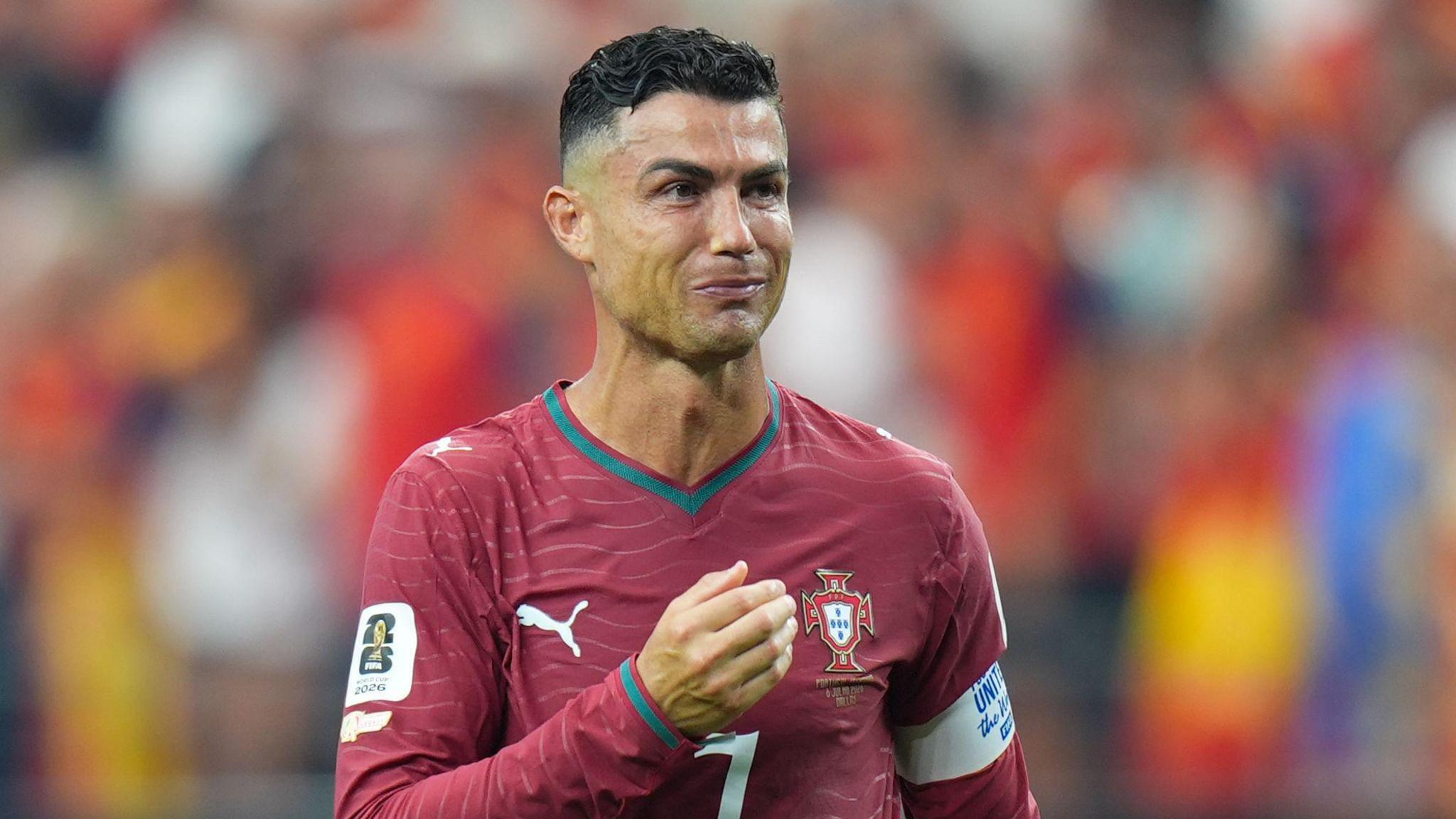
Ninoda.com – Are Portugal better without Ronaldo? This question has become a central debate in Portuguese football as the nation eyes its next World Cup campaign. Cristiano Ronaldo’s journey with the senior team began on 20 August 2003, with a seemingly unremarkable 1-0 win over Kazakhstan in Chaves. The match, played on a pitch with patchy grass requiring painting, was a modest affair in terms of attendance—only 8,000 fans witnessed the occasion. Yet, Ronaldo’s impact was seismic, marking the start of a career that would redefine the national team’s identity. His debut was not just a personal milestone but a catalyst for Portugal’s evolution into a competitive force on the global stage.
Ronaldo’s presence has been a constant thread in Portugal’s football history, weaving through decades of highs and lows. From his early days as a prodigy to becoming the nation’s all-time top scorer, his career has been defined by consistency and dominance. But as he prepares for his sixth World Cup, some are questioning whether his absence might unlock new potential in the team. The debate is not merely about his statistics—it’s about how his leadership and individual brilliance have shaped Portugal’s DNA over the years.
A Legacy of Individual Triumph and Team Evolution
Are Portugal better without Ronaldo? The answer hinges on the context of his contribution. With 143 international goals, Ronaldo’s record is unparalleled, but his influence extends beyond numbers. He has been a symbol of Portugal’s ambition, often carrying the team through crucial moments. However, recent performances have sparked discussions about the team’s ability to thrive without him. In the 2022 Euros, for instance, Portugal reached the semifinals but fell short of a historic final, raising questions about whether their success was solely due to Ronaldo’s leadership or the collective effort of the squad.
“He doesn’t play to win, he plays to be the main figure,” said former teammate Antonio Simoes. “Do you understand that it’s the opposite of Eusebio? Let’s call things by their name. I have nothing against him. I can still see, I can still hear and I can still think. But I can’t run away from the reality of the facts.”
Ronaldo’s era has seen Portugal transition from a fringe team to a World Cup contender, but this shift has also brought challenges. While his goals and charisma have been irreplaceable, the squad has had to adapt to his evolving role. Some argue that his individual glory has overshadowed the development of younger players, while others credit his mentorship for elevating the entire team’s standards. This tension between legacy and progress is at the heart of the debate about Portugal’s future without him.
The Coach’s Case for Ronaldo’s Continued Value
Roberto Martinez, Portugal’s current coach, has defended Ronaldo’s role with fervor, calling the debate “lift talk.” He emphasized Ronaldo’s recent form, noting 25 goals in his last 31 matches for the Selecao. “We are talking about the greatest player of all time,” Martinez stated, highlighting how Ronaldo’s current physical and mental prowess still makes him a critical asset. For Martinez, the argument is clear: Ronaldo’s presence ensures that Portugal remains a powerhouse, even as the team ages.
“Instead of running at 200km/h, he is running at 195km/h now. It is still incredibly high. As long as the physical, technical and mental qualities are still there, he remains a devastating force,” said Ricardo, a former coach who watched Ronaldo’s debut in 2003. “With him, danger is never far away.”
Ronaldo’s ability to elevate his teammates is well-documented. Even as his physical peak wanes, his technical expertise and mental fortitude remain. Coaches and players alike acknowledge that his influence is not just about scoring but about creating a sense of purpose and direction. This duality—his individual brilliance and team-oriented mindset—has made him a unique figure in Portuguese football history.
The Squad’s Resilience and Redefining Identity
Are Portugal better without Ronaldo? The evidence is mixed. In recent games, Portugal has shown resilience, often performing exceptionally without him. A 9-0 victory over Luxembourg in Faro last September and a 9-1 win against Armenia in Porto in November demonstrated that the team can still dominate when Ronaldo is absent. However, these results come with caveats—key players like Gonçalo Guedes and Joao Félix have been more confident in his absence, but the team’s overall performance remains dependent on his influence.
“His presence is very important,” noted Abel Xavier, a veteran player. “People focus on the physical side, but there is also the technical side and especially the mental side. The younger players look up to him and he always gives something to the team.”
While Ronaldo’s absence has allowed the squad to test its depth, it has also revealed vulnerabilities. Portugal’s reliance on his scoring ability and leadership means that without him, the team’s identity shifts. Yet, this shift is not entirely negative—some believe it could lead to a new era of unity and collective achievement. The challenge lies in whether the team can maintain its competitive edge without the man who has been its most visible symbol for over two decades.
The Road Ahead: A New Chapter or a Final Act?
Ronaldo has confirmed that this will be his last World Cup, signaling a potential new chapter for Portugal. His decision to retire from international football after the 2022 campaign has left fans and analysts divided. For some, his departure marks the end of an era; for others, it represents an opportunity for the team to redefine itself. The 2023 Euros and 2024 World Cup will be pivotal in determining whether Portugal is better without him or if his continued presence is still indispensable.
Are Portugal better without Ronaldo? The answer may not be definitive, but it is becoming clearer that his legacy will be long-lasting. Whether the team thrives under his leadership or adapts to a post-Ronaldo era, the debate will continue to shape the narrative of Portuguese football. One thing remains certain: without Ronaldo, Portugal will have to find new ways to capture the world’s imagination, just as he has done for over two decades.