‘I ate ketchup and cheese,’ says Venezuelan girl trapped under quake rubble for 32 hours

Venezuelan Girl’s 32-Hour Survival Under Quake Rubble: ‘I Ate Ketchup and Cheese’
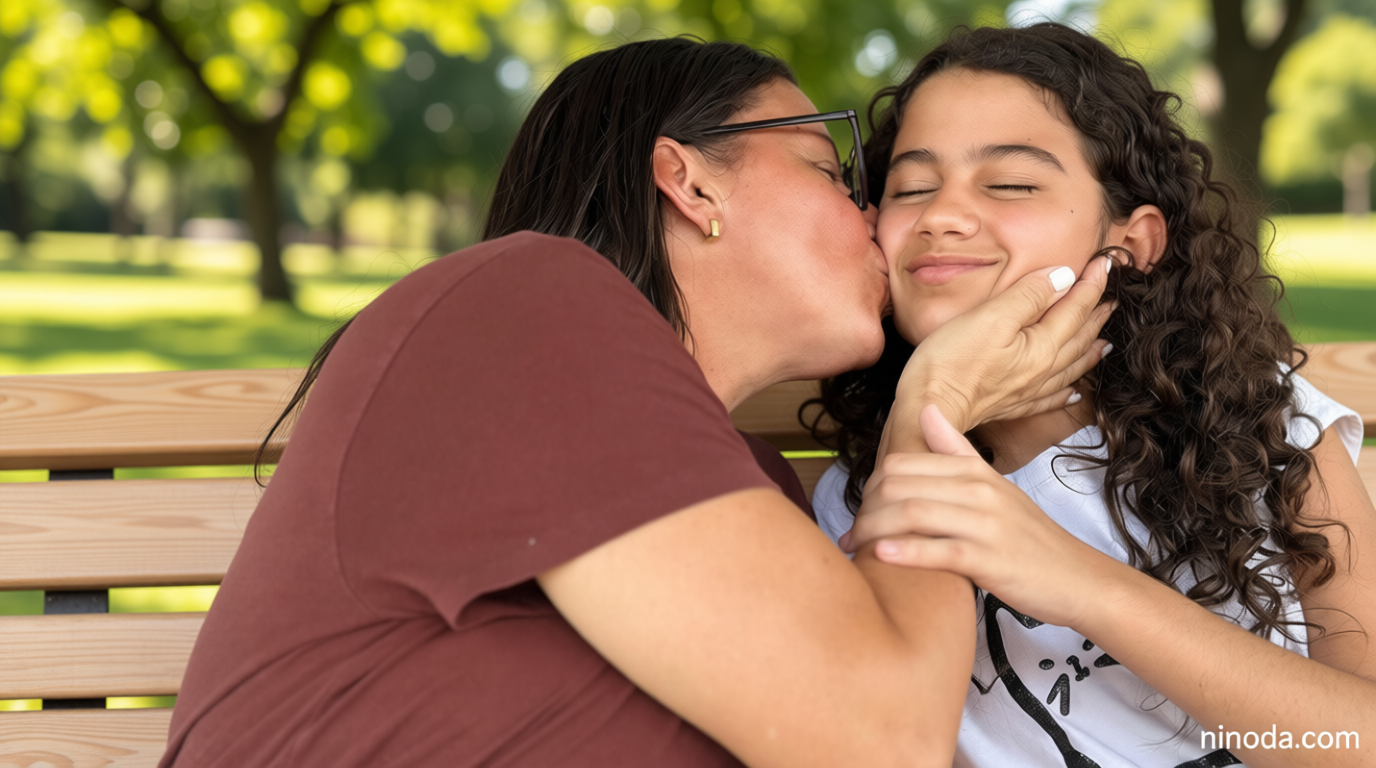
Ninoda.com – “I ate ketchup and cheese,” a Venezuelan girl recounted in a gripping account of her survival after being trapped beneath earthquake rubble for 32 hours. On 24 June, a series of powerful tremors devastated the region, leaving families in disarray. Karina Blanco, a mother of twelve-year-old Fabiana, was in class when the first quake struck, sending her scrambling for safety. As the second, stronger tremor hit, the ground split apart, collapsing the ten-story building where she lived in Caraballeda, northern La Guaira state. “I saw one structure, then a void where our home used to be, and then another building standing in its place,” Karina said, her voice still quivering with disbelief. The chaos of the quake left Fabiana trapped in her mother’s bedroom, where the walls gave way and the world around her turned to silence and darkness.
The Devastation and the Collapse
The earthquake, measuring 7.5 on the Richter scale, was one of the most severe to hit Venezuela in recent years. By the time Karina reached her home, the scene was surreal. The building’s first-floor flat had been reduced to a pile of debris, with the ceiling nearly touching her daughter’s face. Fabiana, who had fled to the kitchen moments before the collapse, found herself trapped in a cramped space. “The wall separating our apartment from a friend’s home gave way. At that moment, I thought, ‘I’m going to die. No one will save me,’” she recalled in a video, her words tinged with the fear of those who had no escape. The sheer force of the quake shattered objects, cracked walls, and left her isolated in the rubble.
For 32 hours, Fabiana clung to life in the darkness, her mind battling the horror of her situation. “I was surrounded by debris, and the ceiling almost touched my face. A strange calm overtook me—maybe my mind was in shock,” she described. As time passed, her determination to survive grew. In her video, she emphasized the small moments that kept her going: the sounds of the earth shifting, the pressure of the rubble, and the memory of her mother’s voice calling out through the rubble. “I watched as objects trembled, then plummeted, shattered, and finally, the walls cracked,” she said, her words echoing the fear that gripped the trapped.
A Glimmer of Hope
As the hours stretched, Fabiana’s hope flickered. A nurse who had cared for their upstairs neighbors had survived the initial collapse and began shouting through the debris, urging her to stay calm. “She told me to stay calm and that everything would be alright,” Karina remembered, her voice steadying as she recounted the moment the nurse’s presence gave her a sliver of hope. The nurse’s shouts were heard by nearby rescuers, who worked tirelessly to locate the trapped girl. “I had given up, praying for strength to begin life without her. Then someone told me, ‘Your daughter is alive,’” Karina said, her emotions surging as she raced back to the building. The resilience of the family, combined with the nurse’s efforts, became the beacon of survival in the disaster.
Fabiana’s determination to stay alive was evident in her actions. Despite the suffocating darkness, she managed to find a small amount of food—ketchup and cheese—that had miraculously survived the collapse. “I ate ketchup and cheese,” she repeated in the video, highlighting the resourcefulness that kept her alive. Her mother, Karina, described the girl’s calmness as a sign of strength. “She was alone, with no light and no one to rescue us. Many neighbors were trapped, and we needed your help,” Fabiana’s voice can be heard in the video, her words capturing the urgency of the situation. The sound of her voice, faint but clear, became a symbol of hope for those searching for survivors in the aftermath.
Rescue efforts were slow to begin, as the scale of the disaster overwhelmed local resources. Viktor, a volunteer, became the turning point when he climbed over the rubble, his shouts finally reaching Fabiana. “I turned to the crowd and shouted, ‘My daughter is alive!’” Karina remembered, her words reflecting the collective relief of those who had been searching for her. Fabiana’s survival, aided by her mother’s cries and the nurse’s persistence, was a testament to the power of human will. “The 32-hour ordeal had tested our limits, but the faint hope Fabiana clung to—eating ketchup and cheese she had found—kept her alive until rescue,” Karina added, her resilience shining through the trauma.
The earthquake not only disrupted lives but also revealed the fragility of infrastructure in the region. Caraballeda, a small town in La Guaira state, had been hit particularly hard, with many buildings reduced to rubble. The disaster left communities in disarray, but stories like Fabiana’s emerged as a source of inspiration. Her ability to remain calm, to find food in the wreckage, and to endure the darkness became a powerful narrative of survival. As the rescue team finally reached her, Fabiana’s story took on new significance, not just as a personal ordeal but as a reminder of the human spirit’s strength in the face of catastrophe. “It will take time, but our family will move forward,” Karina said, her voice steady despite the emotional toll of the event.