How the High Street became a window on our political instability

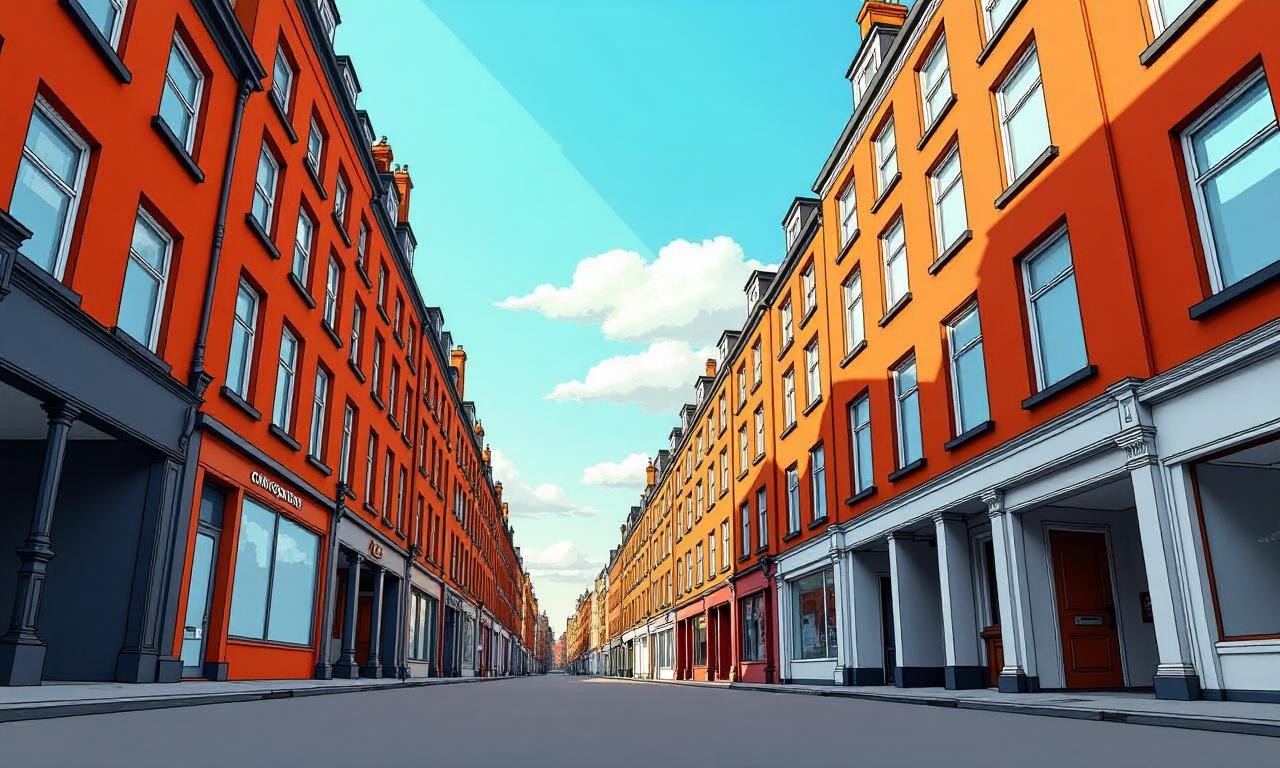
How the High Street Became a Barometer of Political Instability
Ninoda.com – How the High Street became a revealing lens for political tensions in Britain has become increasingly evident as communities across the country grapple with the intersection of organized crime and local commerce. For years, the traditional high street has served as a microcosm of broader societal issues, with its shops and services reflecting both economic challenges and the erosion of public trust. From the rise of counterfeit goods to the visibility of gang-linked ventures, the high street is now more than just a place of everyday transactions—it has transformed into a visible marker of political instability, shaping voter behavior and public perception.
The Crime-Commerce Nexus on the High Street
Recent investigations by the BBC have uncovered a pattern of criminal activity that has infiltrated the very heart of Britain’s retail spaces. In cities like Plymouth and Bradford, businesses once seen as safe havens for community interaction have been linked to illicit operations, including money-laundering schemes and the sale of fake cigarettes. In Hull, hidden networks were found distributing counterfeit products through corner stores, while Swansea’s police uncovered vehicles double as drug dens and storage units for illegal goods. These activities, often facilitated by “ghost directors” who obscure ownership, have made the high street a symbol of distrust and economic vulnerability.
“The high street has always been a stage for social dynamics, but now it’s a front-row seat for political unrest,” notes John Herriman, CEO of the Chartered Trading Standards Institute. “When people see their local shops being used for crime, it reinforces a sense of instability they feel in other areas of life.”
Exposing the Hidden Economy
The hidden economy on the high street has grown exponentially, with over 3,600 shops across the UK reported to have illegal products confiscated between 2024 and 2025. The former Home Secretary, Yvette Cooper, described this trend as “a disgrace,” highlighting the scale of the problem. The National Crime Agency estimates that at least £1 billion in criminal funds flows through these stores annually, underscoring the deepening link between economic decline and organized crime. This money often fuels not just illicit markets, but also political movements that capitalize on public frustration.
How the High Street became such a focal point for these issues is tied to its role as a public space where economic and social inequalities are starkly visible. As wages stagnate and inequality rises, the high street’s physical spaces have become battlegrounds for both commercial and criminal interests. The proliferation of illegal vapes and fake tobacco, for instance, mirrors the broader economic shifts that have left many communities feeling marginalized. This growing disparity has not only altered the commercial landscape but also heightened concerns about political representation.
The Role of Understaffed Enforcement
Organized crime’s increasing presence on the high street can also be attributed to weakened enforcement. Research fellow Elijah Glantz of the Royal United Services Institute explains that cash-intensive sectors like pubs and nail bars have long been targets for criminal activity, but the past decade has seen a decline in oversight. Trading Standards teams, which once patrolled local markets, have faced a 45% reduction in staff since 2002, allowing illicit operations to flourish. How the High Street became a canvas for these crimes is closely linked to this lack of resources, creating a perception of unchecked influence and political neglect.
Glantz argues that this visibility is not accidental but a consequence of policy choices. “Criminals thrive when they’re not pushed underground,” he says. The result is a psychological impact on the public, with voters increasingly associating the high street’s instability with broader political failures. Nick Plumb of the Power to Change think tank emphasizes that this erosion of trust has fueled a sense of powerlessness, prompting individuals to seek political alternatives that align with their growing concerns about economic and social safety.
High Street Vacancies and Political Shifts
The decline of physical retail spaces has accelerated, with high street vacancies reaching alarming levels. In the 2024 general election, areas witnessing the highest rise in persistent shop closures saw a surge in support for Reform UK, indicating a political shift driven by economic discontent. How the High Street became a symbol of decline is evident in the contrast between once-thriving commercial hubs and today’s ghost towns, where boarded-up storefronts reflect the uncertainty of both business and governance. This trend has intensified as online shopping continues to outpace traditional retail, leaving many local businesses struggling to survive.
Plumb’s research also reveals a correlation between the high street’s physical transformation and voter sentiment. “When people lose faith in their local economy, they often transfer that distrust to the political system,” he explains. The visibility of crime and economic hardship on the high street has made it a powerful indicator of national political instability, with communities using these everyday experiences to evaluate their leaders and policies. This connection between commerce and politics is becoming more pronounced, as the high street’s struggles mirror the challenges facing the entire nation.
As the high street continues to evolve, its role as a barometer of political instability is likely to grow. How the High Street became such a significant indicator of societal change is due to its accessibility and the everyday interactions it facilitates. From the visible presence of criminal enterprises to the impact of understaffed enforcement, the high street’s transformation reflects the broader tensions shaping British politics. This ongoing shift highlights the need for policies that address both economic and social concerns, ensuring the high street remains a space of opportunity rather than a symbol of instability.