Spain battles to contain one of its deadliest wildfires as at least 12 killed

Spain Battles to Contain One of Its Deadliest Wildfires as At Least 12 Lives Lost
Ninoda.com – Spain is grappling with one of its most severe wildfire crises, as emergency services work tirelessly to bring the flames under control. The incident, which has already claimed at least 12 fatalities, has intensified the nation’s focus on managing such disasters. With 23 people still missing, the situation remains dire, and the presence of British nationals among the victims has added international attention to the unfolding tragedy.
Escalating Fire Threat in Southeast Spain
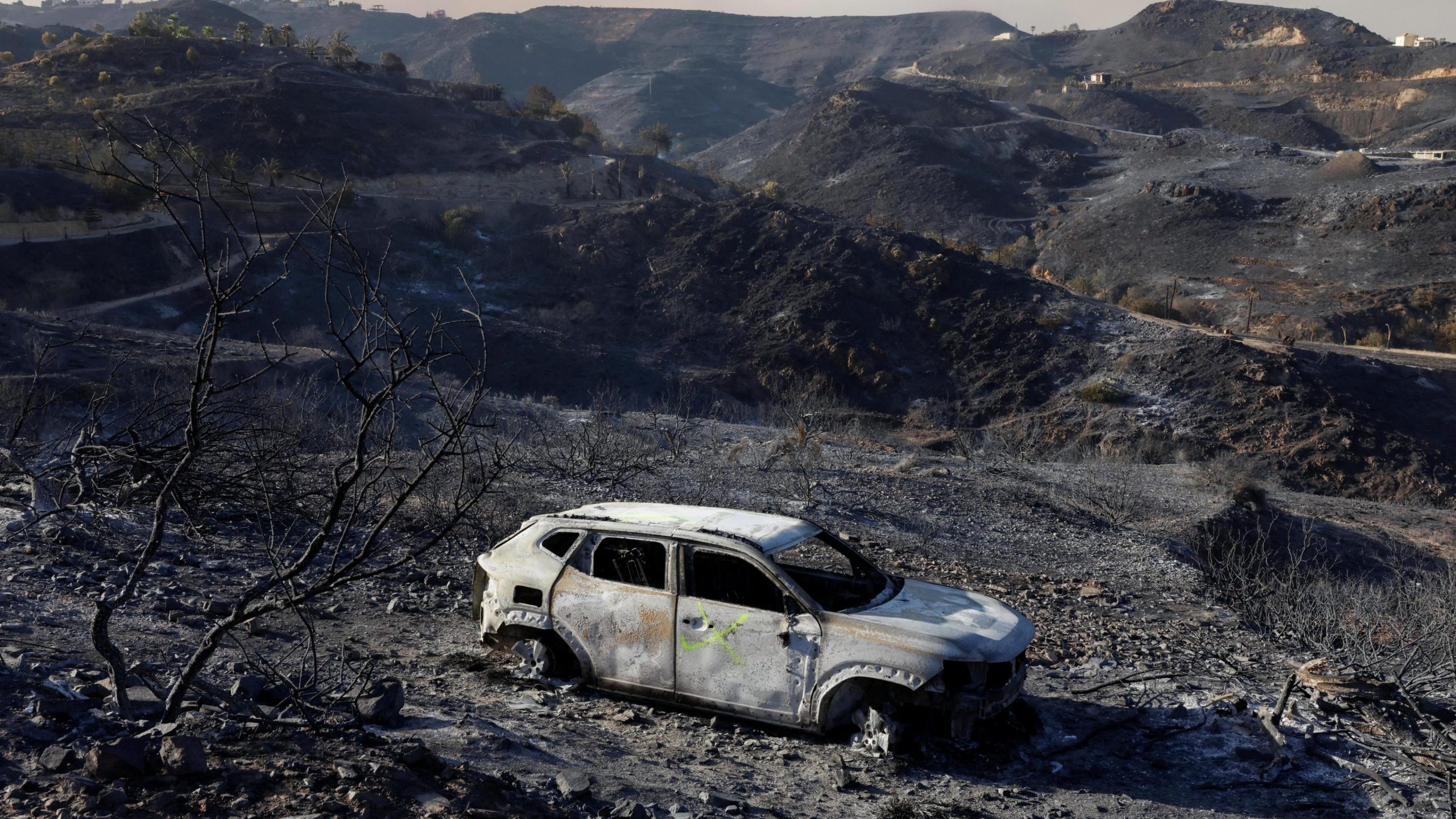
The blaze, which began in the Los Gallardos region of Almería, has spread rapidly due to extreme weather conditions. Local authorities in nearby areas have issued urgent evacuation alerts, but some residents may have been caught off guard. Firefighters are deploying advanced equipment and strategies to combat the inferno, which has now scorched over 6,600 hectares of land. This staggering figure underscores the scale of the disaster and the challenges faced in containing it.
Officials have expressed concerns that the fire’s spread could worsen, particularly as strong winds continue to fuel the flames. Antonio Sanz, the Andalusia health and emergencies minister, highlighted that the situation has shifted overnight, with favorable weather conditions now allowing for a more aggressive firefighting approach. “This is the first day we can launch a direct attack,” Sanz stated, emphasizing the importance of the weather window in the fight against the wildfire.
Human Toll and Evacuation Concerns
Survivors describe the harrowing experience of fleeing the flames, with one British resident, Lucinda Curtois, recounting the chaos as the fire approached. “We escaped the fire, but our friends didn’t make it,” she said, noting that smoke was so thick it resembled a mushroom cloud. Her account highlights the urgency of evacuation efforts, which were challenged by road closures and limited visibility in the rural area.
Curtois, who arrived in Spain for a holiday, reported that several victims attempted to leave on foot, possibly due to confusion or blocked routes. This raises questions about the effectiveness of evacuation protocols and the need for improved communication during such emergencies. As the death toll climbs, concerns grow over the broader impact on communities and the potential for more casualties in the coming hours.
Regional and National Response
Spain’s government has mobilized resources across multiple regions to address the crisis. The national emergency services, alongside local teams, are coordinating efforts to secure safe zones and prevent the fire from spreading further. Air support has been deployed to drop water and suppress hotspots, while ground crews work to clear vegetation and protect nearby settlements.
Officials are also emphasizing the need for long-term strategies to mitigate wildfire risks. With climate change contributing to more frequent and intense heatwaves, the current disaster serves as a stark reminder of the growing threat. The combination of high temperatures and dry conditions has created a volatile environment, making it difficult for firefighters to gain the upper hand. “We’re facing one of the deadliest wildfires in Spain’s history,” said Sanz, underscoring the gravity of the situation.
International Impact and Climate Trends
While the focus remains on Spain, the wildfire has sparked discussions about the broader implications of climate change across Europe. Countries like France and Portugal are also dealing with severe blazes, with over 10,000 people evacuated in the Pyrenees foothills. These events highlight the interconnected nature of environmental challenges and the urgent need for regional cooperation.
Copernicus climate service data reveals that Europe is warming at twice the global average, leading to more extreme weather patterns. This has resulted in longer fire seasons and higher intensity blazes, which could become the norm in the future. The current disaster is part of a larger trend, with past incidents like the 1984 La Gomera fire and the 1979 Lloret de Mar tragedy serving as grim reminders of the potential devastation.
As the battle to contain the fire continues, the international community is watching closely. The loss of British nationals has prompted calls for increased collaboration in disaster response and climate resilience planning. With the situation still evolving, the fight to save lives and protect property in Spain is a critical test of preparedness in the face of escalating environmental threats.