EU proposes slowing down cuts to carbon emissions for businesses

EU Proposes Slowing Down Cuts to Carbon Emissions for Businesses
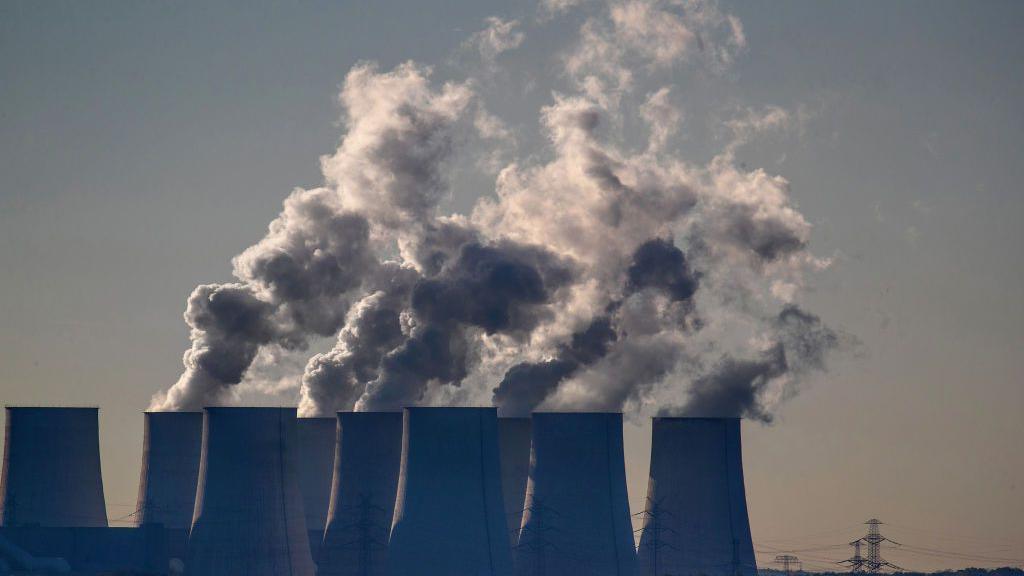
Ninoda.com – The European Union has introduced a significant shift in its climate strategy by proposing to slow the pace of carbon emission reductions for businesses. This move aims to balance ambitious environmental goals with the practical challenges faced by industries in transitioning to greener operations. Central to the proposal is the adjustment of the EU Emissions Trading System (ETS), the bloc’s flagship mechanism for reducing greenhouse gases. By extending the timeline for certain industries to meet stricter emission targets, the reforms seek to provide more flexibility while still aligning with the EU’s overarching objective of achieving a 90% reduction in emissions by 2040, relative to 1990 levels.
Key Revisions to the ETS Framework
The ETS, established in 2005, has long been a cornerstone of the EU’s approach to combating climate change. However, its current rules have sparked debate over their impact on businesses. The new proposal outlines a revised cap on emission allowances, which will be reduced at a slower rate from 2031 onward. Specifically, the annual cap decrease will be adjusted from 4.3% to 3.7% starting in 2031 and further to 1.7% by 2036. This change would allow industries to retain emission allowances for a longer period, easing the transition to low-carbon technologies.
Additionally, the EU has proposed extending the phase-out of free emission permits until 2038, rather than 2034 as initially planned. Free permits have been a contentious feature of the ETS, designed to support companies in competing globally while reducing the financial burden of carbon pricing. Under the revised plan, 80% of these permits would be allocated upfront to businesses committed to investing in decarbonization projects, with the remaining 20% contingent on the completion of such initiatives. This approach is intended to incentivize long-term investment without compromising the EU’s climate targets.
“We are adopting a more business-friendly and, may I say so, savvy approach,” remarked EU Climate Commissioner Wopke Hoekstra, emphasizing the need for a pragmatic strategy to foster sustainable growth.
Industry Responses and Political Reactions
The changes have elicited mixed responses from member states and stakeholders. While some nations, like Poland, have welcomed the shift, others have expressed concerns. Polish Climate Minister Paulina Hennig-Kloska described the proposal as a “huge success” for her country, citing the potential to weaken the policy further to align with national interests. She noted that the extension of free permits would reduce the financial pressure on industries, particularly in sectors heavily reliant on fossil fuels.
Conversely, environmental advocates and policymakers from Germany and other nations have criticized the move. A German member of the European Parliament, Michael Bloss, warned that the proposals could lead to “gigantic climate pollution,” jeopardizing efforts to curb global warming. He argued that slower emission cuts might result in a diminished quality of life for future generations due to the increased risk of extreme weather events. The EU’s decision to extend the timeline for emission reductions underscores the ongoing tension between economic stability and environmental urgency.
Despite the debate, the European Commission maintains that the reforms are essential for ensuring the ETS remains effective in the long term. By giving businesses more time to adapt, the EU hopes to prevent abrupt economic shocks while maintaining progress toward its climate goals. The proposed changes also include provisions to link the ETS more closely with the EU’s broader climate initiatives, such as the Green Deal, which seeks to make Europe the first climate-neutral continent by 2050.
Industry leaders have largely praised the adjustment, highlighting its potential to ease the financial strain on companies during the transition to a low-carbon economy. However, critics argue that the slower pace of cuts might hinder the EU’s ability to meet its 2040 target. With the ETS serving as a key tool for reducing emissions, the revised rules will have far-reaching implications for both the environment and the EU’s industrial sector. The final approval of these changes depends on negotiations with member states and the European Parliament, which could take up to a year.
As the EU continues to refine its climate policies, the balance between ambition and feasibility remains a central theme. The proposed slowdown in emission cuts reflects a recognition of the complexities involved in transitioning industries to sustainable practices. While some view this as a pragmatic step toward economic resilience, others see it as a compromise that could delay meaningful progress in the fight against climate change. The outcome of these discussions will shape the future of Europe’s approach to reducing greenhouse gas emissions and setting a global example in environmental leadership.