Burnham is ‘people pleaser’ with ‘airy fairy’ plans, says Kemi Badenoch

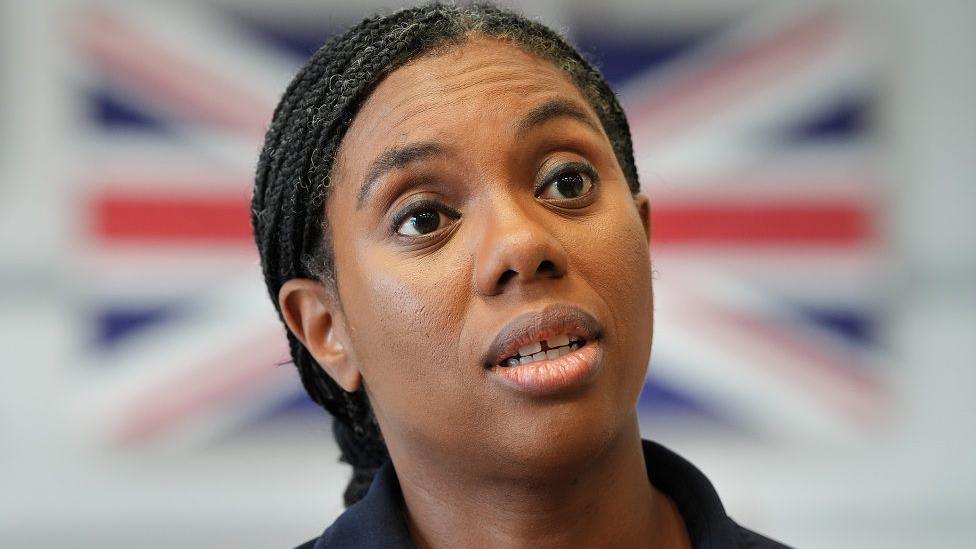
Burnham is ‘people pleaser’ with ‘airy fairy’ plans, says Kemi Badenoch
Kemi Badenoch’s Critique of Burnham’s Leadership Style
Ninoda.com – Conservative Party leader Kemi Badenoch has labeled Labour leader Andy Burnham as a ‘people pleaser’ whose political vision is described as ‘airy fairy.’ This assessment comes as Burnham prepares to assume the prime ministerial role, with Badenoch highlighting concerns about his approach during an interview with Laura Kuenssberg. In her critique, Badenoch argues that Burnham’s leadership style prioritizes consensus and appeasement over decisive action, a stance she believes could hinder the UK’s ability to address pressing national challenges.
“I will score as many points as possible if it means the right thing for the country. What I’m not going to do is give Andy Burnham a blank cheque,” she stated.
Badenoch’s comments reflect a broader debate within the political landscape about Burnham’s readiness for the top role. While she acknowledges his personal charm and ability to connect with voters, she contends that his leadership lacks the clarity and boldness required to navigate the complexities of governance. “The job is not a popularity contest. It is making the lives of all of the people outside this building better,” she emphasized, suggesting that Burnham’s focus on consensus might dilute his effectiveness as a leader.
Burnham’s Policy Agenda and Leadership Challenges
Andy Burnham, who returned to Parliament in a by-election last month, became the sole leadership candidate after securing support from 379 Labour MPs and all 11 affiliated trade unions. His five-point plan, unveiled in a speech at the Trade Union Congress headquarters in London, outlines a vision for the country that includes collaboration with other parties and decentralizing power to local authorities. Burnham’s speech, however, was met with mixed reactions, with some critics questioning whether his proposals are ambitious enough to drive meaningful change.
One of Burnham’s key policies is the expansion of North Sea oil and gas drilling, a move that has drawn both support and skepticism. Proponents argue that it could bolster energy security and create jobs, while opponents warn of its environmental impact. Badenoch’s critique suggests that Burnham’s willingness to compromise on such issues might reflect a broader tendency to prioritize short-term popularity over long-term strategy. “What the country needs right now is someone who can take tough decisions, who can face down the Labour MPs that don’t want to do anything difficult,” she added, underscoring her belief that Burnham’s leadership style may not be robust enough for the challenges ahead.
Despite his promises to move beyond Westminster’s partisan tactics, Burnham’s plan has been criticized for its lack of specificity. His speech emphasized unity and collective action, but some analysts argue that this approach could lead to confusion about his priorities. “I’m not sure that he is aware of what the country’s priorities are. And if he becomes prime minister without that, I think he’s going to have a rude awakening,” Badenoch said, suggesting that Burnham’s ‘people pleaser’ image might not align with the demands of the premiership.
Burnham’s leadership has also raised questions about his ability to navigate internal Labour party dynamics. As he prepares for his first address as prime minister, he has yet to outline his cabinet selections, a detail that some view as a sign of hesitancy or indecision. Badenoch’s comments come amid a political climate where leaders are expected to deliver clear, actionable plans rather than vague aspirations. Her criticism underscores a growing sentiment that Burnham’s leadership may be perceived as too accommodating to avoid conflict, rather than too assertive to drive progress.
While Burnham’s ‘people pleaser’ reputation has been a point of contention, his approach has also garnered support from certain quarters. Advocates of his inclusive style argue that it reflects a necessary shift in leadership, one that could bridge divides and foster cooperation. However, Badenoch’s critique serves as a reminder that the prime ministerial role requires a balance between empathy and decisiveness. “Leadership is not just about being likable—it’s about making hard choices that benefit the nation as a whole,” she said, framing the debate around Burnham’s ability to reconcile these dual demands.
Burnham’s agenda includes proposals for new North Sea oil and gas drilling, which aligns with his broader economic strategy. This plan has been a focal point of his campaign, as he seeks to position himself as a pragmatic leader capable of delivering tangible results. Yet, Badenoch’s characterization of him as a ‘people pleaser’ implies that his approach might be more about managing public sentiment than addressing the country’s most urgent needs. As the nation awaits his first major policy announcements, the debate over his leadership style continues to shape perceptions of his readiness for the role.