Trump slaps 50% tariffs on Canada and Carney vows to ‘intensify’ trade talks

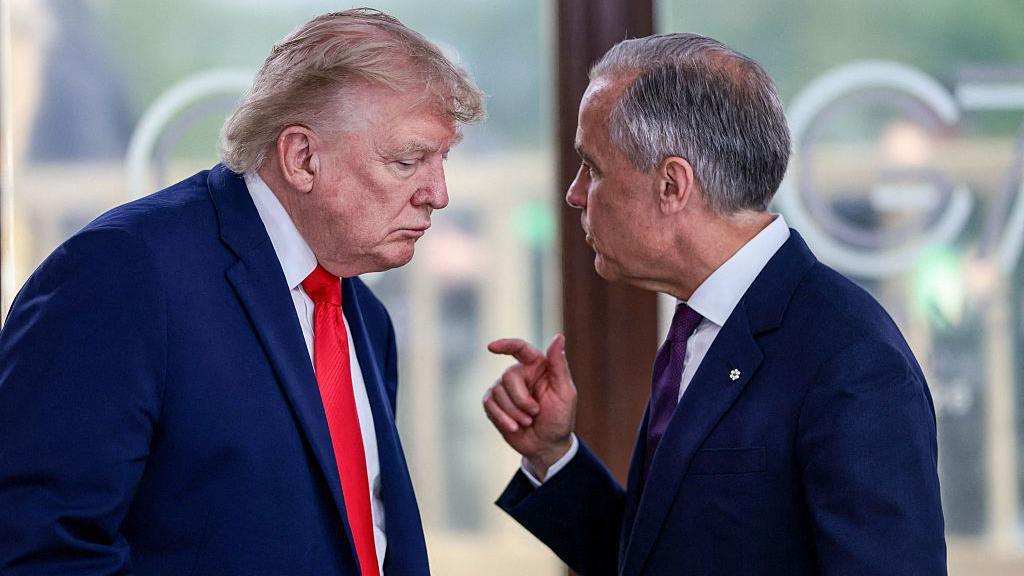
Trump Imposes 50% Tariffs on Canadian Goods; Carney Promises to Boost Trade Discussions
Ninoda.com – President Donald Trump has implemented 50% tariffs on a range of Canadian imports, signaling a renewed push to address what he describes as unfair trade practices. The move targets products such as automobiles, dairy, and alcoholic beverages, aiming to level the playing field for American industries. While certain key Canadian exports, including energy, potash, and critical minerals, are exempt from the new levies, the impact on everyday items like wine and hockey sticks is expected to be significant.
The Rationale Behind the 50% Tariff Increase
White House officials justified the tariffs by citing “unequal treatment” of American products in Canadian markets. Specifically, Trump pointed to the Canadian tax on US motor vehicles and parts not covered by the USMCA, arguing that these measures unfairly disadvantage American manufacturers. The new tariffs, set to take effect within 30 days, are part of a broader strategy to assert US trade dominance, with the administration emphasizing that they are necessary to correct perceived imbalances.
“This is the latest in a series of unilateral US trade actions that began with the imposition of tariffs in direct violation of the Canada-United States-Mexico Agreement,” Carney remarked. His statement underscores Canada’s resolve to engage in intensified trade negotiations, even as the US escalates its stance. The prime minister’s remarks come amid growing concerns over the potential economic fallout for Canadian businesses and consumers.
Canada’s Response and Trade Negotiation Strategy
Prime Minister Mark Carney has pledged to “intensify” trade talks with the US, highlighting Canada’s commitment to resolving disputes through dialogue. The Canadian government aims to counter the 50% tariffs by leveraging the USMCA framework, which remains a cornerstone of bilateral trade relations. However, the effectiveness of these negotiations depends on the willingness of US officials to address issues such as the tax on automotive components and the dairy supply management system.
Trump’s decision follows a pattern of trade measures targeting Canadian industries, including 15% to 50% duties on steel and aluminum, as well as 35% tariffs on softwood lumber. These existing barriers, combined with the recent 50% import duties, could further strain cross-border trade. Analysts warn that the cumulative effect of these tariffs might lead to retaliatory measures from Canada, potentially disrupting supply chains and affecting both economies.
The Dairy Sector: A Long-Standing Dispute
The dairy sector has been a focal point of the trade tensions, with Canada’s supply management system imposing high tariffs on foreign imports. Trump has consistently criticized this system, arguing that it unfairly protects Canadian dairy producers at the expense of US competitors. The 50% tariffs on dairy products could exacerbate existing challenges, as Canadian dairy exporters face higher costs to enter the US market. This issue has been a recurring topic in trade negotiations, with the US demanding structural reforms to the Canadian system.
Meanwhile, the US also points to Canada’s ongoing boycott of American liquor, a policy introduced in 2021. Canadian provinces have levied steep tariffs on foreign wines, which Trump claims undermines fair competition. In response, Canadian leaders have stated that the liquor boycott will be lifted if the US reduces its tariffs on critical industries like metals and automobiles. This conditional approach reflects a delicate balance between asserting trade policies and seeking mutual concessions.
Despite the tensions, the USMCA will continue to govern trade relations for the next decade, with annual reviews required to assess its performance. However, the US has not renewed the agreement in its current form, pushing for revisions to align more closely with Trump’s trade priorities. The Supreme Court recently invalidated broad tariffs Trump imposed under the International Emergency Economic Powers Act, ruling that the president overstepped his authority. This legal challenge has not deterred the administration, which now aims to enforce new import taxes through alternative legal mechanisms.
Industry experts caution that the 50% tariffs on Canadian goods could have far-reaching consequences, particularly for small businesses reliant on cross-border trade. While the US argues that these measures are essential for protecting domestic industries, Canada emphasizes the need for a balanced approach to ensure long-term economic stability. As negotiations continue, the outcome will likely shape the future of North American trade relations and set precedents for international trade disputes.