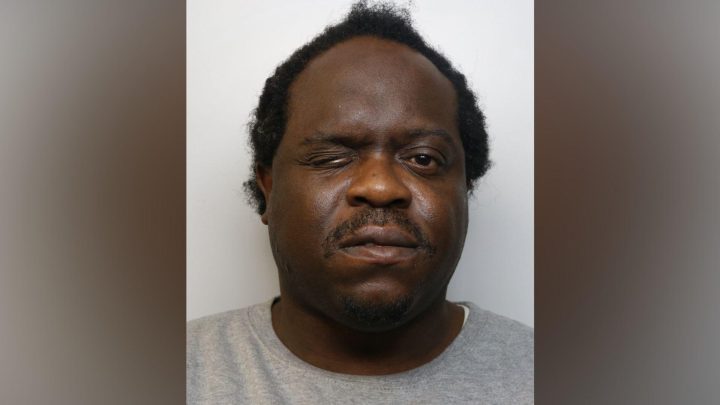
Alleged Bondi Beach gunman charged with another 19 offences


Alleged Bondi Beach Gunman Charged with Another 19 Offences
Ninoda.com – Following the tragic December attack at Sydney’s Bondi Beach, which resulted in fifteen fatalities during a Jewish festival, the alleged gunman, Naveed Akram, 24, has been formally charged with an additional 19 offences. This brings his total charges to 59, encompassing 15 murder counts, 40 attempted murder charges, and one terrorism-related accusation. The latest charges, announced in April and confirmed by authorities this week, were detailed in court records shared with the BBC, highlighting the evolving nature of the legal case.
The Scope of the New Charges
The 19 new charges against Naveed Akram include 10 counts of “shoot at with intent to murder,” six charges of discharging a firearm to resist arrest, and three counts of causing grievous bodily harm with murder intent. These allegations further complicate his already extensive list of charges, which have been tied to the mass shooting that shocked Australia. Akram, who has appeared in court multiple times, has yet to enter a plea, with his next court date set for August. Prosecutors emphasized that the evidence presented thus far includes 230,000 CCTV images and data from devices linked to individuals suspected of ties to the accused.
“He was aware of the additional charges on the last occasion, but in a case of this scale, it’s common for more charges to be added,” said Leonie Gittani, Akram’s lawyer, as reported by the ABC. “We’re now navigating a process that we must follow.” This statement underscores the procedural complexity of the case, as legal teams work to build a comprehensive narrative around the attack.
Investigation and Evidence
The investigation into the Bondi Beach shooting has uncovered critical details about the planning and execution of the attack. Court documents released in late December revealed that the pair—Naveed Akram and his father, Sajid Akram, 50—meticulously coordinated the assault over months. Days before the incident, they conducted reconnaissance, setting the stage for the coordinated attack. During a hearing, prosecutors highlighted that the evidence includes a video captured on their mobile phone in October, where the two were seen seated in front of an Islamic State flag, making explicit statements against “Zionist acts.”
Separate footage from the same month showed the father and son practicing firearms training in a rural area, likely in New South Wales. The video demonstrated their tactical precision with shotguns, suggesting a deliberate strategy to maximize the impact of the attack. This evidence has been pivotal in linking the perpetrators to extremist ideologies, although the court has yet to confirm any direct ties to terrorist organizations.
The Aftermath and National Response
The Bondi Beach shooting, which occurred on 14 December 2025, marked Australia’s most severe mass shooting in nearly three decades. The attack has sparked widespread debate about gun laws, with calls for stricter regulations and enhanced background checks. It also ignited a national conversation on hate speech, leading to the initiation of a royal commission into antisemitism. Public hearings for this commission began in February, underscoring the gravity of the incident and its societal implications.
Investigations into the attack continue to reveal new layers of complexity. The Joint Counter Terrorism Team, working alongside local authorities, has analyzed extensive evidence, including surveillance footage and digital data. The father, Sajid Akram, was killed by police at the scene during the attack, while his son, Naveed, survived with critical injuries before being transferred from hospital to prison. This dual role of the accused has raised questions about the family’s involvement and the broader context of the violence.
Impact on Public Policy and Awareness
As the legal proceedings unfold, the Bondi Beach shooting has had a lasting impact on Australia’s public policy and societal awareness. The incident has prompted urgent reviews of existing gun laws, with lawmakers considering measures to prevent similar attacks in the future. Additionally, the role of hate speech in inciting violence has become a focal point, with the royal commission into antisemitism examining how extremist rhetoric can lead to mass casualties.
Experts note that the case is emblematic of a growing trend where ideological motivations play a central role in mass shootings. The evidence, including the video and the father’s death, has been instrumental in shaping the narrative around the attack. As the trial progresses, the focus remains on establishing the full extent of the accused’s intentions and the factors that contributed to the tragic event.