Bumblebees are struggling in UK heatwaves – but you can help them

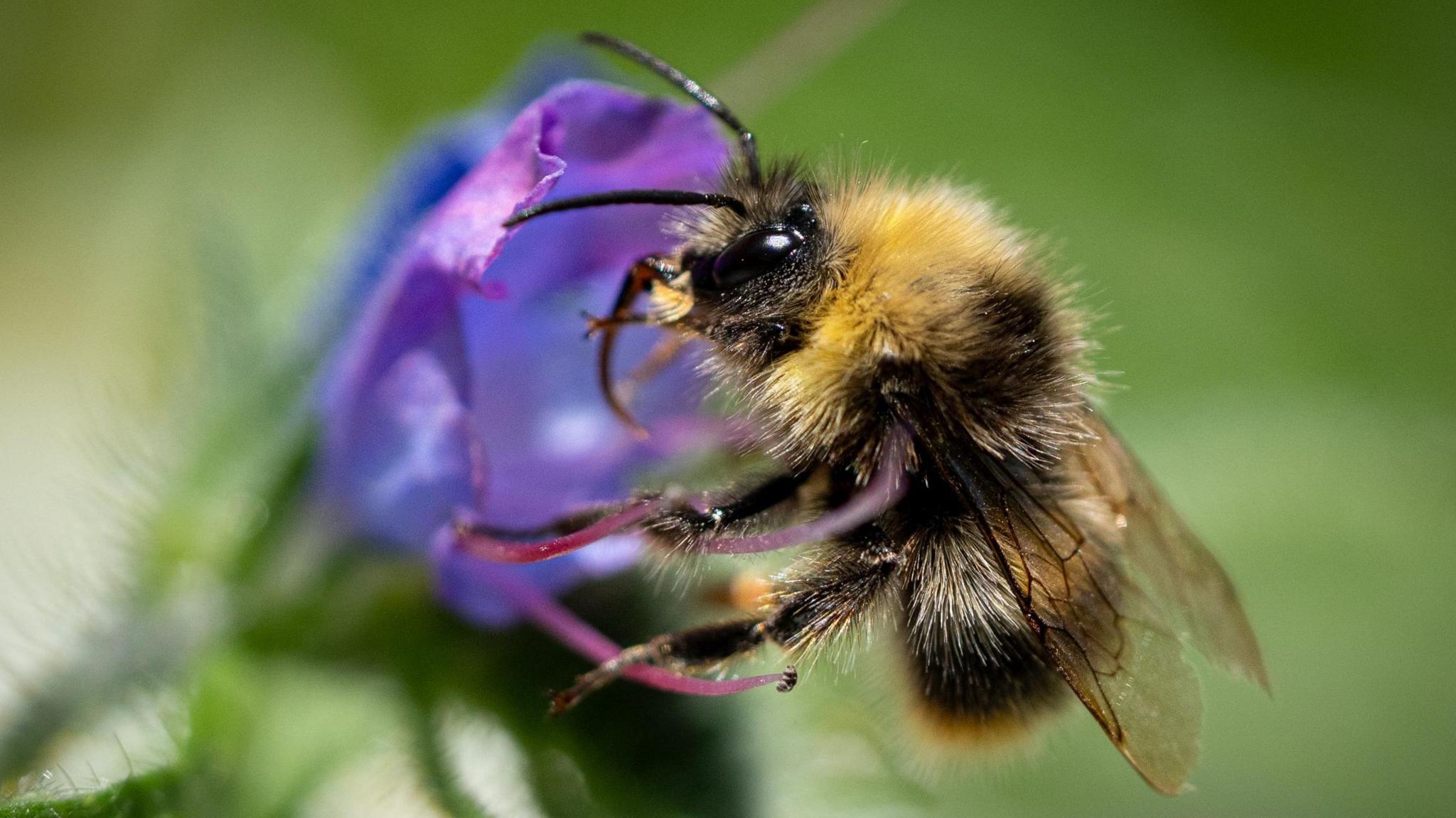
Bumblebees are struggling in UK heatwaves – but you can help them
Ninoda.com – With rising temperatures and increasingly frequent heatwaves, bumblebees are facing significant challenges in the UK, threatening their survival and the ecological balance they support. A recent analysis by the Bumblebee Conservation Trust highlights a troubling decline in bumblebee populations, particularly after the record-breaking heat of 2022. This trend has raised concerns among scientists, as the insects’ ability to thrive in extreme conditions is being tested. The report underscores how prolonged periods of high temperatures can disrupt their natural behavior, from foraging to colony development, and calls for urgent action to protect these vital pollinators.
The Impact of Extreme Heat on Bumblebee Behavior
Bumblebees play a critical role in pollinating wildflowers and crops, making them essential to the UK’s food systems. However, their delicate physiology makes them vulnerable to the effects of heatwaves. Their thick fur, while helpful in cooler climates, can trap heat and raise their body temperature beyond safe limits. Dr. Richard Comont, a science manager at the Bumblebee Conservation Trust, explains that when temperatures exceed 32°C, their flight muscles begin to overheat, causing them to slow down or stop altogether. This is especially dangerous during foraging trips, as bumblebees must travel farther to find food when local blooms wilt in high heat.
“Heatwaves force bumblebees to work harder to collect nectar and pollen, but if the temperature surpasses 40°C, they can’t sustain their energy levels,” Comont says. “This leads to weaker colonies and fewer new queens being produced, which could have long-term consequences for their population.”
The 2022 heatwaves, which saw temperatures hit a staggering 40.3°C in July, had a severe impact on bumblebee activity. Species like the Red-tailed, Buff-tailed, and Common Carder bumblebees—key pollinators in the UK—experienced population declines of up to 35% compared to historical averages. These