Is UK facing drought for second summer in a row?

Is UK Facing Drought for Second Summer in a Row?
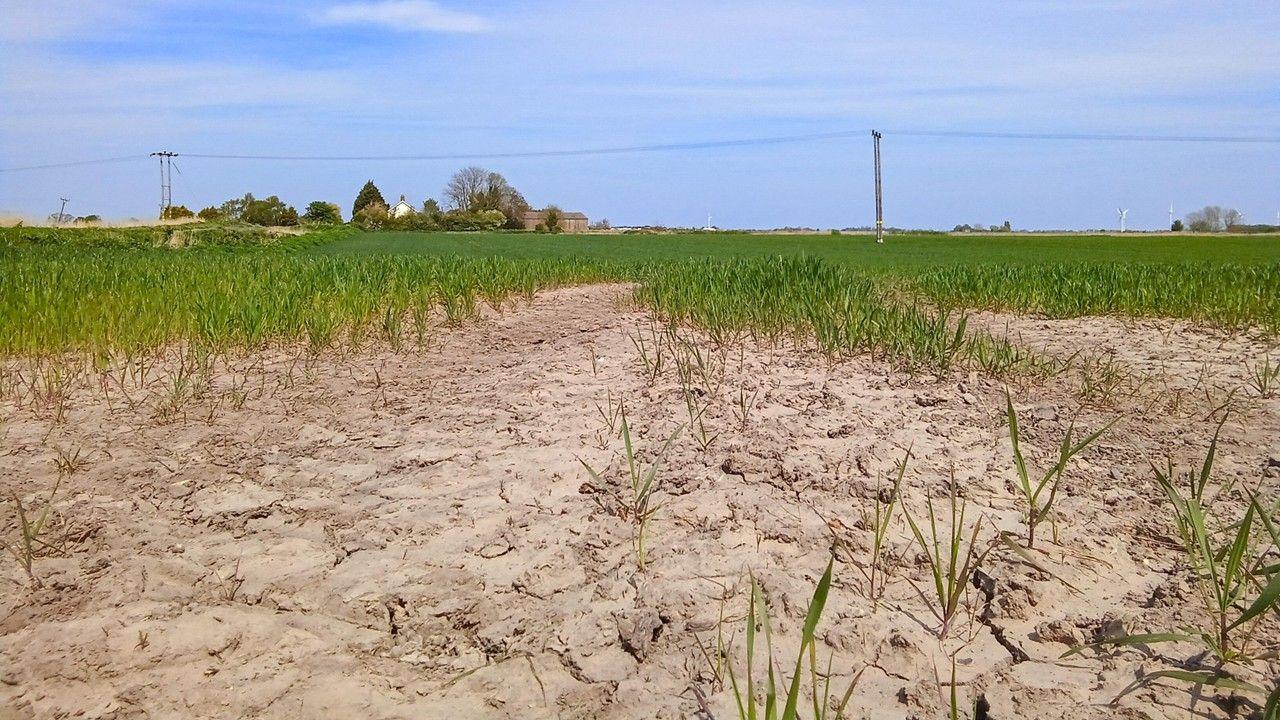
Ninoda.com – Cracked soil has become visible in certain UK regions, such as Cambridgeshire, as the summer continues to deliver unusually high temperatures and limited rainfall. The past months have seen three intense heatwaves, marking the longest sequence of dry days in central England since 1995. Meanwhile, England, Wales, and eastern Scotland have experienced the lowest precipitation levels in recent weeks, following a similarly parched spring in those areas.
Forecasts suggest minimal rain this week, with only scattered showers possible near coastal zones. A persistent high-pressure system is expected to keep most regions dry for at least five days. However, weather fronts from the north-west may bring rain over the weekend, though these are likely to target Northern Ireland and Scotland rather than the drier south and east.
Regional Variations and Drought Concerns
While the UK as a whole has received less summer rainfall than average, there are stark differences across regions. Eastern and north-eastern England have seen just 26% of their expected summer rain, whereas northern and western Scotland have had above-average levels. In central England, Wisley, Surrey, has recorded 33 consecutive dry days, prompting comparisons to last summer’s widespread drought.
“Parts of the country, particularly in the east and south, have seen exceptionally low rainfall this spring and summer,” said Paul Tompkins, deputy president of the National Farmers’ Union. “This could mean another difficult and expensive harvest after extreme weather impacts in both 2024 and 2025.”
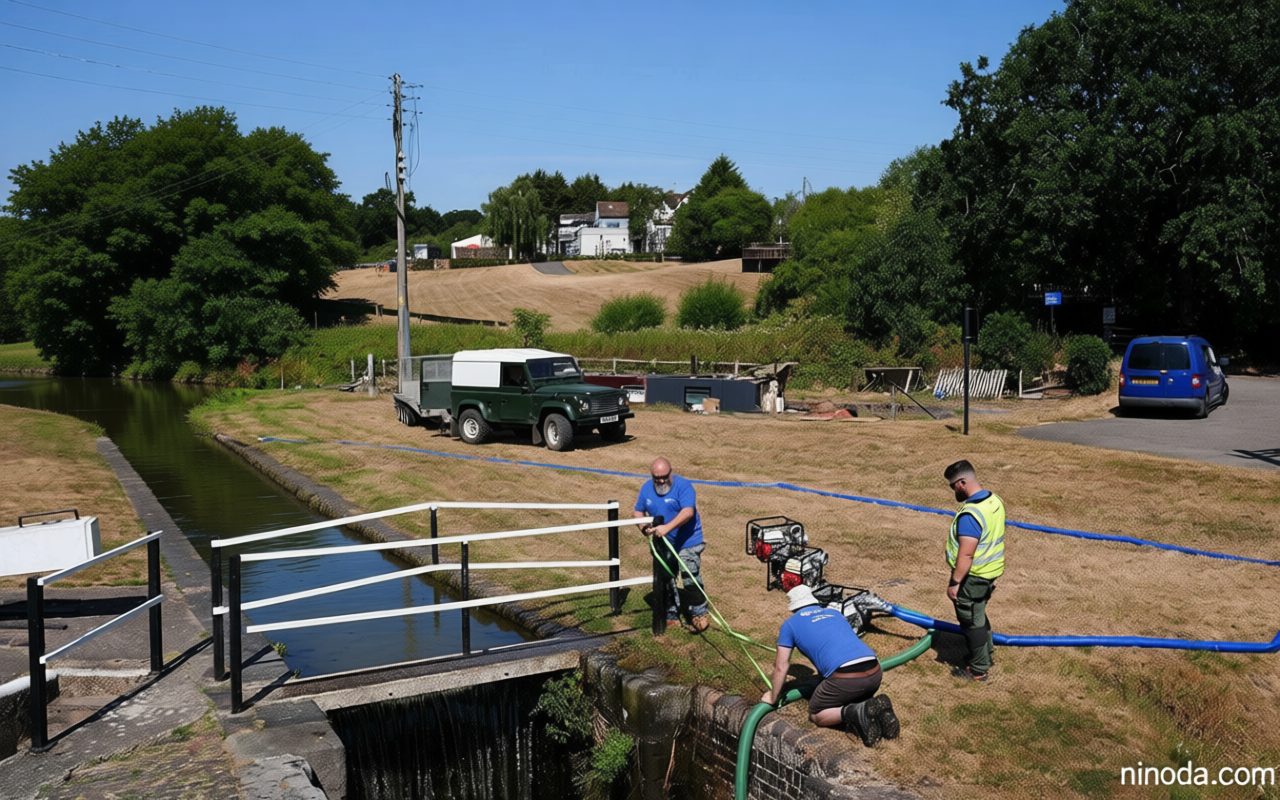
Although the current drought is not as severe as last year’s, the UK Centre for Ecology and Hydrology warns that sudden shifts between wet and dry conditions—flash droughts—may become more frequent and intense due to climate change. The Environment Agency notes that 87% of river catchments in England are now at “below normal to exceptionally low levels,” with hosepipe bans affecting millions of customers.
In Wales, where only 5% of July rainfall has fallen, Natural Resources Wales has placed the most affected regions in the north and south-east under “prolonged dry weather status,” the first step of its drought response plan. Farmers and growers are described as working around the clock to harvest crops, maintain fruit and vegetable supplies, and care for livestock, highlighting the strain on agricultural systems.
As global warming progresses, the Met Office predicts that summers will become hotter and drier. By 2070, the UK could face up to 60% less rainfall and a 1-6°C temperature increase compared to the 1990s. This trend underscores the growing need for resilience against climate variability, with impacts felt by governments, health services, and communities across the nation.
Stay informed with the latest forecasts on the BBC Weather website or app. With dry conditions persisting and climate patterns shifting, the challenge lies in adapting to a summer that may soon feel unrecognizable.