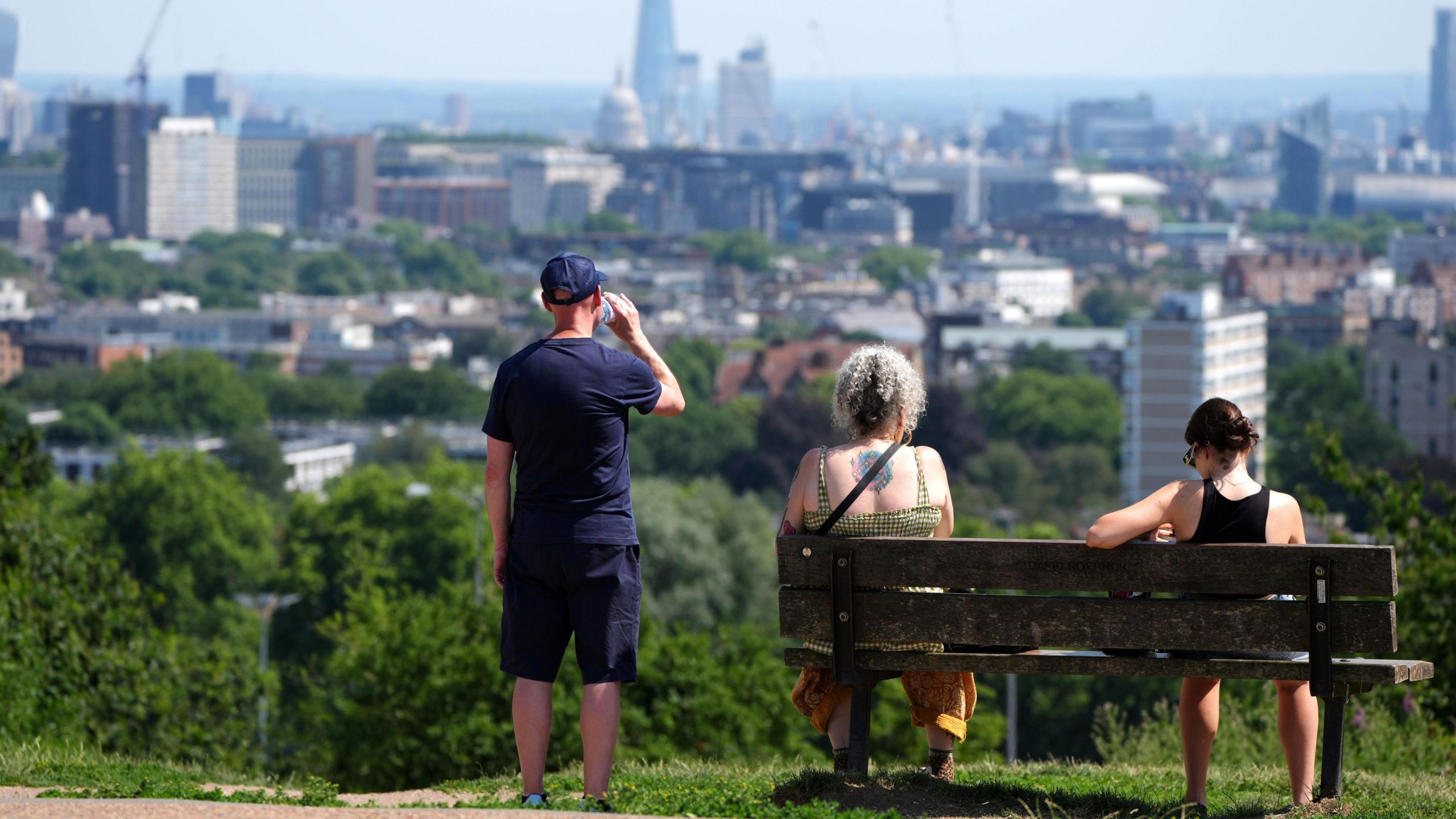
Cooler conditions on way for parts of UK – but still no rain for drought-hit areas

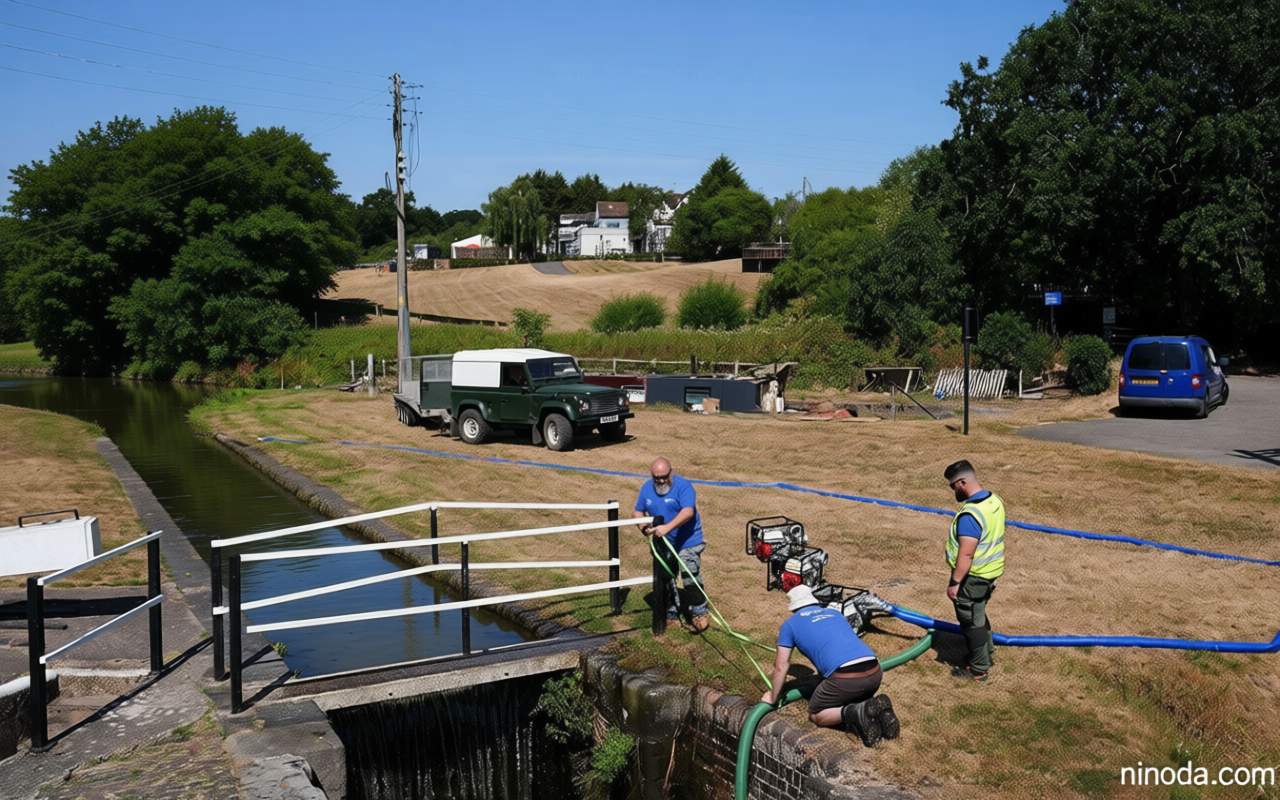
Drought-Stricken Regions Face Continued Dry Spell Despite Incoming Cooler Weather
Ninoda.com – While a cold front is set to bring relief to certain sections of the United Kingdom from Thursday through the weekend, the most parched territories may see little precipitation. Currently, over fifty percent of England alongside portions of Wales have been officially classified as experiencing drought conditions. This development follows the declaration of drought across more than half of England on Wednesday, as prolonged hot and dry weather continues to strain national water resources.
The Environment Agency’s announcement encompassed much of central, eastern, and southern England, signaling that additional water usage restrictions could be forthcoming. Officials noted that consequences are already becoming apparent, including diminished river flows, premature crop harvesting, and elevated wildfire danger. Presently, over twenty million residents are subject to hosepipe bans.
Record-Breaking Temperatures and Heatwave Details
The most recent heatwave reached its zenith on Wednesday, with Writtle in Essex recording 35.2°C. This matched the temperature observed in Cotton in the Elms, Derbyshire, on July 10, marking the warmest day in over two weeks. Nevertheless, these figures fell short of last month’s extraordinary highs, when Lingwood in Norfolk established a new UK June temperature record of 38°C on the 26th. Although initially reported as 37.7°C, the Met Office confirmed on Wednesday that verification had raised the figure to 38.0°C, making it the hottest day of the year to date.
For a period to qualify as a heatwave, three consecutive days must meet the threshold temperature. This latest episode has been somewhat constrained because Monday failed to achieve the threshold across much of the Midlands, East Anglia, and central southern England. Both Tuesday and Wednesday proved hot, yet the Thursday cold front pushes temperatures below the threshold for numerous locations, causing many areas to narrowly miss the mark.
However, the cold front does not fully penetrate East Anglia and south-east England, allowing heat to persist for an additional day. Temperatures in the hottest zones may climb into the high 20s or potentially reach 30°C, thereby achieving three consecutive days above the threshold.
Regional Drought and Scarcity Status
Natural Resources Wales reported that North Wales and the Upper Severn river basin entered drought conditions last week. Scotland operates differently, monitoring “water scarcity” rather than declaring drought. According to the Scottish Environment Protection Agency, certain eastern Scottish regions currently fall into the most severe category of “significant scarcity.” Northern Ireland remains outside drought status at present.
Weather Outlook for the Coming Days
Looking ahead to Friday and the weekend, central and eastern England should still experience mid-20s temperatures, maintaining a warm sensation under sunny skies. Sunday is expected to become somewhat warmer again, with temperatures reaching the high 20s. Meanwhile, the north-west of the UK will experience cooler conditions, with temperatures frequently sitting below average.
For the driest regions, rain remains unlikely over the next several days. Wisley in Surrey has endured 42 consecutive dry days as of Tuesday, July 29. Although the weakening cold front should arrive at Wisley, it is not expected to generate rainfall there. Conversely, the north-west has already received substantial precipitation this month, with Aultbea in the Highlands recording approximately one-third more rain than its July average.
Summer Records Tumbling
Forecast models for next week suggest increased rainfall, with the north-west likely remaining the wettest zone. A handful of models indicate potential rain for the south, though this remains uncertain as many models show minimal or no precipitation.
The summer season has witnessed numerous temperature records fall. Seven days have now exceeded 35°C, surpassing the previous record of five days set in 1976 and matched in 2020. Additionally, 31 days have recorded temperatures above 30°C, approaching the 1995 record of 34 days and comfortably outpacing 1976’s 24 days. With considerable time remaining in the summer, there is ample opportunity to equal or surpass these marks.
Do you live in one of the affected regions? Do you have any questions about the drought? Is there a hosepipe ban in my area?