The athlete who has never held her Olympic medal

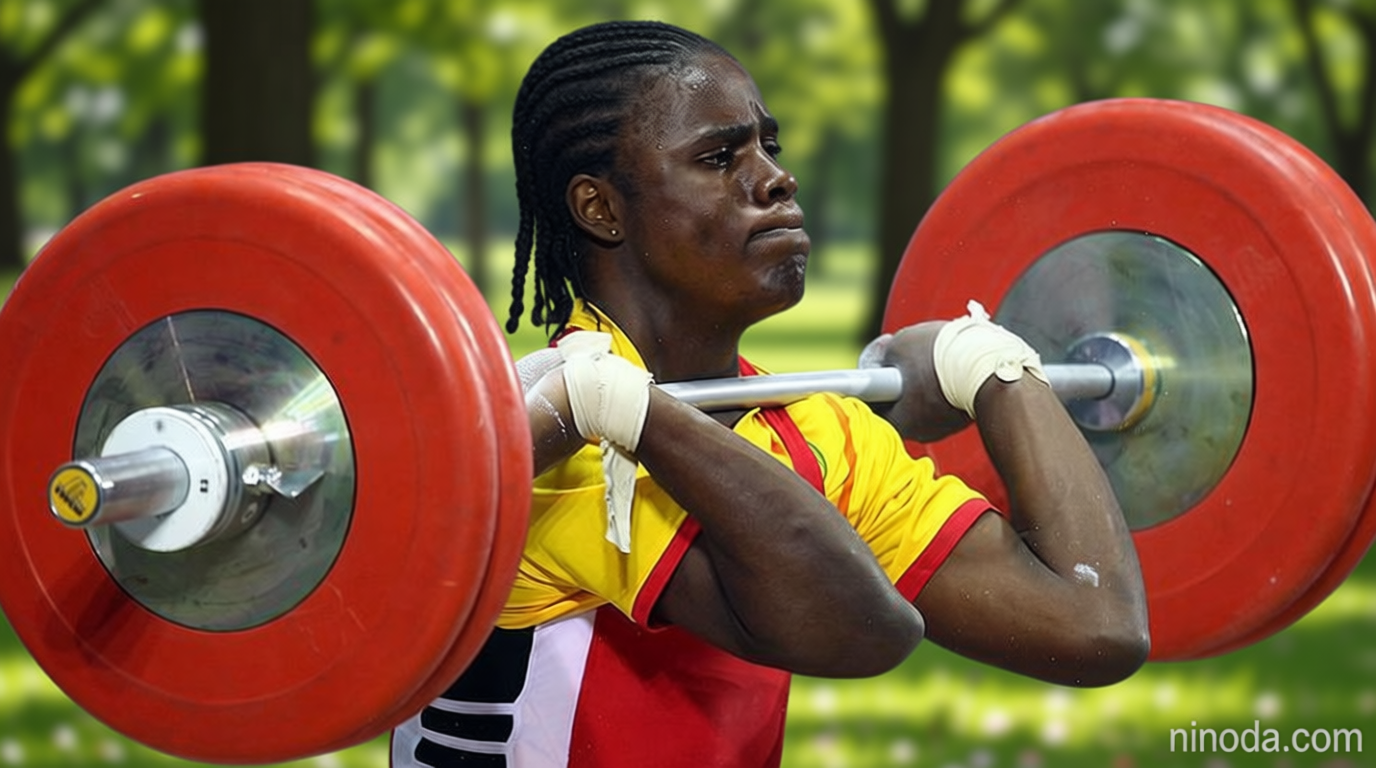
A Medal That Remains Unheld: Madias Ngake’s Journey
Ninoda.com – Far from her native Cameroon, in the heart of its capital city, Madias Ngake believes an Olympic medal rests in a drawer that doesn’t belong to her. The honor was presented to her seven years after the London 2012 Games, when three competitors who finished ahead of her were stripped of their positions following doping violations. Despite this recognition, she has never physically held the medal, having not visited her homeland in fourteen years since arriving in Britain.
Now residing in Nottingham, Ngake originally intended only a brief stay. However, circumstances forced her into a pivotal choice she viewed as essential for her “safety and freedom” from persecution. Her sexual orientation became public during those Olympic Games, and with homosexuality criminalized in Cameroon—a crime carrying prison sentences—genuine terror for her wellbeing compelled the twenty-year-old to vanish from the athletes’ village.
“After I finished competing in 2012, staying was not easy, but I had to take a decision for my safety, for my future, because I saw I did not have a future any more in Cameroon,” Ngake explains.
“I’m a lesbian, I love women and it’s not allowed in Cameroon. I had to stay here for me to have a good future, good life and not hurt myself if I decide to have a girlfriend.”
While escape provided refuge from returning to Africa, her subsequent months proved nothing like the “glamourous” fortnight at the Olympics. Without companions, accommodation, or funds, she spent much of that time living on the streets.
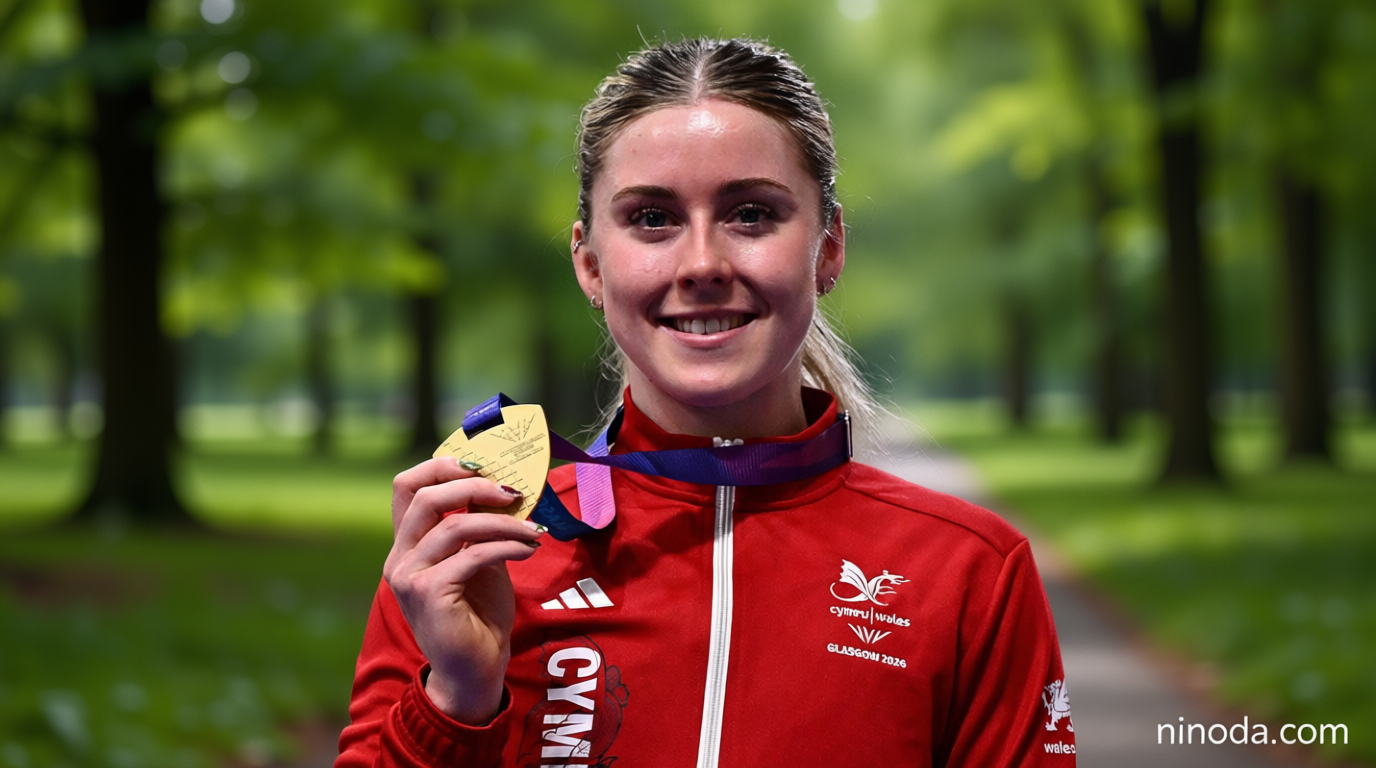
Fourteen years later, Ngake achieved something extraordinary by competing at the Glasgow 2026 Commonwealth Games representing England, her adopted country. On Wednesday, she claimed silver in the 86kg category. The weightlifter, who earned European bronze for Great Britain earlier this year, expressed her gratitude before competing.
“This moment means a lot to me,” she shared. “For Team England to have given me this second opportunity, it is amazing.”
Roots and Rising Through Sport
Ngake’s origins trace back to Douala, Cameroon’s largest urban center, situated roughly 200 miles west of Yaounde. Though she prefers not to dwell extensively on that era, having kept her homeland at bay for over ten years, childhood clearly presented “challenges”—numerous challenges indeed. Through weightlifting, she discovered abilities capable of transforming her circumstances.
Her aspirations extended beyond personal triumph. She hoped to reshape attitudes toward women’s athletics by demonstrating the strength of Cameroonian female athletes. At the Delhi 2010 Commonwealth Games, the eighteen-year-old hinted at this potential. She finished fourth, matching India’s bronze winner Laishram Devi’s total but falling short due to a higher body weight.
The result mattered little in the moment. Ngake departed Delhi on a stretcher after losing consciousness following a successful 121-kilogram lift. Despite this humbling conclusion to her Commonwealth debut, pride remained. “Not just anybody can qualify for a Commonwealth Games,” she notes. “It means you’re strong and, can I say, special?”
From Struggle to Recognition
Limited resources complicated her journey, worsened by corruption scandals plaguing several Cameroonian international federations. International competition became exceptionally difficult to attend. Consequently, she entered London 2012 with modest rankings, placing her in the B Final alongside athletes without serious medal expectations.
She exceeded those expectations, not only winning the B Final but lifting more than many in the elite division, ultimately securing sixth place overall. At the time, she called this achievement “amazing”—long before results were adjusted.
Celebration had to wait. Quick action was necessary. Though details remain somewhat private even after fourteen years, Ngake acknowledges the difficulties of her departure. “When I decided to stay, sometimes I would sleep on the bus, but when the bus stopped [for the night], I would sleep outside,” she remembers. “When I wanted to have a shower, I would maybe find a place outside, in public, so to change myself was not too easy.”
This period of uncertainty lasted approximately two months before she formally secured her status, beginning a new chapter that would eventually lead her back to international competition and the Olympic medal she still awaits the chance to hold.