Australian doctor who underwent world-first brain tumour treatment dies

Australian Physician Dies After World-First Brain Cancer Therapy
Ninoda.com – Richard Scolyer, a trailblazing Australian physician, has passed away following a three-year battle with an aggressive brain tumour. His decision to trial a groundbreaking treatment developed by his friend and colleague Professor Georgina Long marked a significant milestone in oncology. The therapy, rooted in their prior discoveries related to skin cancer, aimed to extend his life and inspire future research.
A Pioneering Collaboration
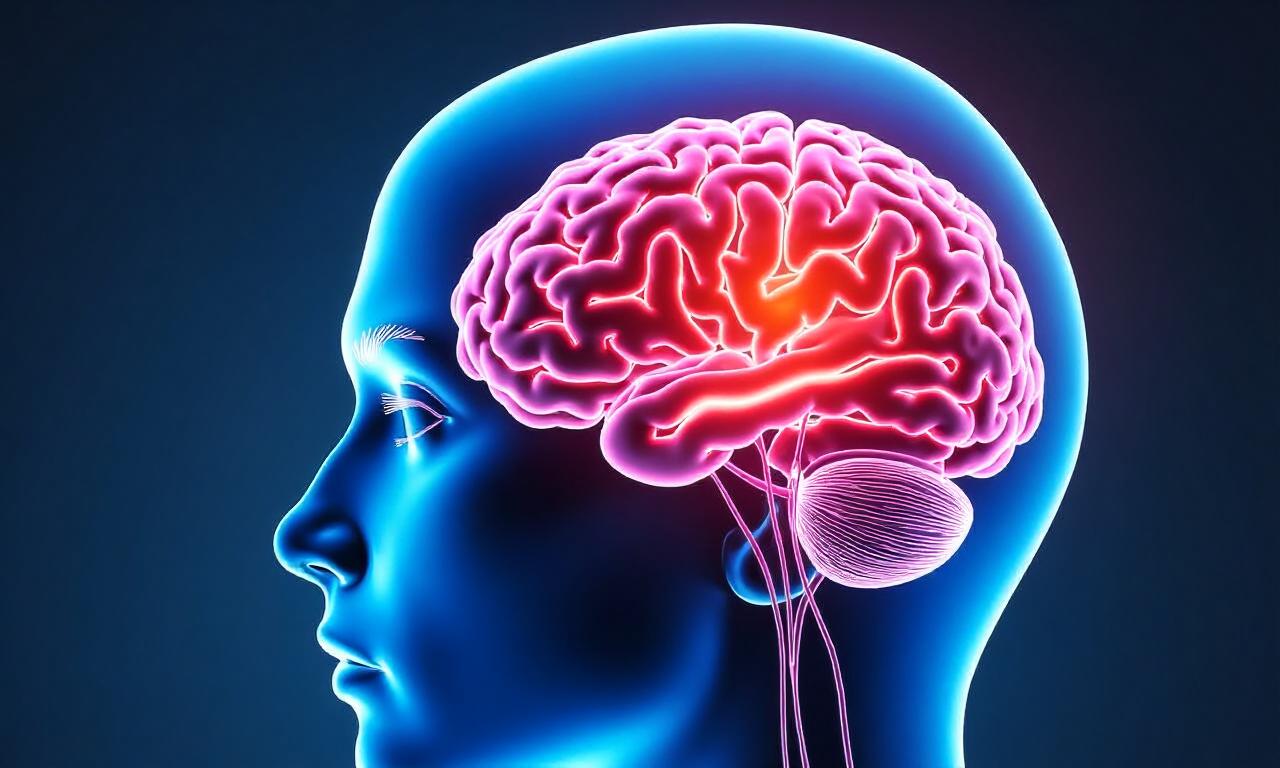
Scolyer, 59, was among the first to receive a novel approach for glioblastoma, a malignancy known for its rapid progression. The treatment combined immunotherapy techniques, which harness the body’s immune system to combat cancer, with a personalized vaccine targeting his tumour’s unique characteristics. This strategy, initially tested on melanoma patients, was adapted for brain cancer in a 2023 clinical trial.
“I wanted to keep contributing, even in my darkest hour,” Scolyer wrote in a farewell letter. “I pen this letter as a final goodbye to all those I have had the immense privilege of loving, sharing life’s adventures with, working alongside and meeting during what can only be described as a life filled with happiness, optimism, opportunity and passion.”
The pair’s work on advanced melanoma, once a fatal prognosis, has transformed patient outcomes. The pair’s innovative approach, which uses combination drug therapies before surgery, has sparked a preliminary clinical trial in the US to assess its potential for brain tumours.
Legacy of Innovation
As co-directors of the Melanoma Institute Australia, Scolyer and Long revolutionized cancer treatment over the past decade. Their research significantly improved survival rates for melanoma patients, raising the five-year survival rate from below 10% to nearly 50%. Scolyer emphasized the importance of mentorship, stating: “I have always been driven by the belief that we all have a responsibility to try to change the future for others and leave the world a better place… I have lived that ethos to the fullest.”
Long, similarly resolute, described the treatment as “science in action” after Scolyer’s death. She recounted the emotional journey of mourning his diagnosis before rallying to test new protocols. “This was science in action!” said esteemed melanoma surgeon John Thompson AO in tribute. “He will be remembered as a truly great Australian.”
Scolyer’s decision to share his treatment journey online resonated widely. In a heartfelt message, he acknowledged the support from Australians: “You’ve laughed with me, cried with me, and provided encouragement and support to keep going just when I needed it most. I haven’t sugar coated my journey and I sincerely thank you for allowing me the space and opportunity to share it with you, warts and all.”
He is survived by his wife, fellow pathologist Katie Nicholl, and their three children. In his letter, Scolyer reflected on his condition: “I write this knowing that my wonderful family would have been by my side every minute, as they have been throughout my cancer journey… They are shining examples of the best of humanity and make me extremely proud.”