Backlash after China bubble tea firm ordered to pay Louis Vuitton $1.5m

Backlash After China Bubble Tea Firm Ordered to Pay Louis Vuitton $1.5m
Ninoda.com – The backlash after China bubble tea firm Molly Tea has sparked widespread debate over intellectual property rights following a landmark legal decision. The Shenzhen-based chain, known for its popular bubble tea culture, was ordered to pay 10.3 million yuan (£1.1 million; $1.5 million) in compensation to Louis Vuitton for allegedly infringing on its trademark. This ruling has ignited fierce online discussions, with users questioning the fairness of the decision and its implications for Chinese brands operating globally.
The Legal Battle Over Logo Design
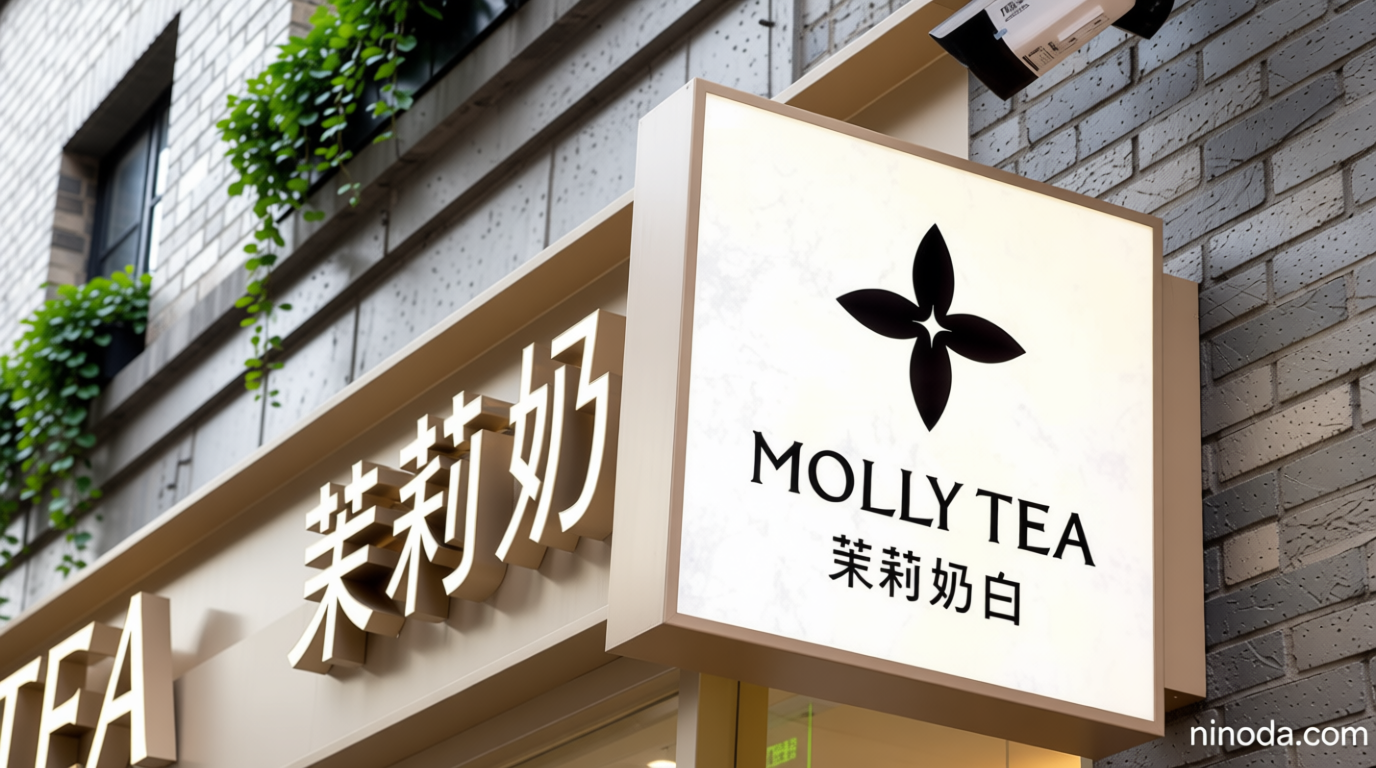
According to reports from Chinese state media, a court in Jiangsu province ruled that Molly Tea’s logo closely resembled Louis Vuitton’s iconic four-petal flower monogram, a symbol synonymous with luxury and craftsmanship. The case centers on the similarity between the two logos, which both feature geometric patterns and a distinctive aesthetic. The court determined that Molly Tea had replicated the design without proper authorization, leading to the demand for compensation. This legal action marks a significant moment in the evolving relationship between Western and Chinese brands, highlighting the growing scrutiny of intellectual property in the global marketplace.
Chinese state media, including China Daily, emphasized that Molly Tea and its affiliates had submitted multiple trademark applications, all of which were rejected by the China National Intellectual Property Administration. Only the logo incorporating the Chinese characters for “Molly Tea” was approved, suggesting that the company’s design team had not initially secured the necessary rights for the Louis Vuitton-inspired motif. The rejection of these trademarks raises questions about the company’s awareness of trademark laws and its strategy in appealing to international markets.
Public Reaction and Cultural Debates
The backlash after China bubble tea firm has led to a polarized online response, with social media platforms becoming battlegrounds for opinions. On Weibo, users have divided into two camps: those defending Molly Tea’s design as a tribute to Western luxury aesthetics and others condemning it as a case of blatant imitation. A popular comment reads, “I will drink a cup of Molly Tea every day to stand by the company,” with users arguing that cultural exchange should not be stifled by strict trademark enforcement.
“Our ancestors didn’t file patents, so it’s only fair to use these symbols freely,” one supporter wrote, while another countered, “If you don’t claim rights, how can you expect others to respect them?”
Meanwhile, critics of the decision argue that the case underscores the importance of protecting brand identity in an increasingly competitive global economy. Some users highlighted that Louis Vuitton had already secured its trademark rights, and that competitors should not copy its design without attribution. This debate reflects broader tensions between cultural appropriation and intellectual property protection, as Chinese brands navigate international markets with distinct design sensibilities.
RedNote users have also weighed in, with one stating, “Basic geometric shapes have been used throughout history—not just in China, but in every culture.” This perspective adds nuance to the controversy, suggesting that the dispute may not solely hinge on the origin of the design but also on its use in modern branding. However, the court’s ruling has reinforced the idea that even subtle similarities can lead to legal consequences, particularly in the fashion and luxury industries.
As the backlash after China bubble tea firm continues to gain traction, the case has drawn attention from both legal experts and consumers. Some analysts note that this verdict may serve as a precedent for future disputes between Chinese and Western brands, encouraging more rigorous trademark applications. Others argue that the decision could deter Chinese startups from expanding globally, fearing costly legal battles over design elements that are culturally familiar.