
‘Broken social care will in the end break the NHS,’ says Burnham

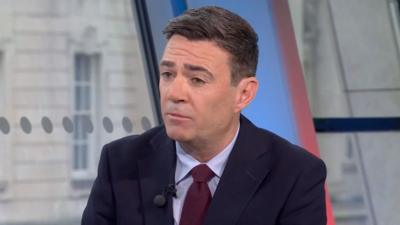
Table of Contents
Burnham Calls for National Care Service to Protect the NHS
Ninoda.com – Andy Burnham has set out a proposal for a national care service in England that would be free when people need it, arguing that the current system has been allowed to become dangerously fragile.
The proposal is intended to address what Burnham described as “threadbare” social care provision. His central argument is that care for older people, disabled people and others who need support in daily life cannot be treated separately from the health service. When care is unavailable or difficult to arrange, pressure can build elsewhere in the system, including hospitals and GP services.
“Broken social care will in the end break the NHS.”
Burnham said he did not intend to ignore the problem, presenting reform as a long-term priority rather than an issue that can be left for future governments. He said a clear plan for a new national care service would be developed and then put before voters at the next general election.
Why social care matters to the wider health system
Social care covers practical and personal support for people who may struggle to live independently without help. It can include assistance with washing, dressing, eating, taking medication, moving safely around the home and maintaining contact with the community. Support may be provided in someone’s home, in supported accommodation or in a residential setting.
For families, the system can be difficult to understand because eligibility, funding arrangements and the availability of services may vary. People can face major decisions at moments of illness, disability or frailty, when timely support is especially important. A national service free at the point of use would represent an effort to make access to care more consistent and to reduce the financial uncertainty attached to it.
The connection with the NHS is particularly significant. Hospitals are designed to diagnose and treat illness, but many patients need safe support after treatment before they can return home. If suitable care is not available, a person may remain in hospital longer than their medical condition requires. That can limit beds for other patients and increase pressure across urgent and planned care.
Burnham’s argument places social care alongside healthcare as essential public infrastructure. It suggests that improving the NHS cannot rely solely on hospital capacity, staffing or clinical treatment; it also depends on whether people can receive adequate help beyond hospital walls.
Funding expected to be a central political dispute
The proposal is already facing opposition over how it could be paid for. Shadow home secretary Chris Philp said further tax rises were likely to be planned to finance the scheme, describing that prospect as a “red line” for the Conservatives.
The disagreement highlights the challenge at the heart of social care reform. Expanding access and making services free at the point of use would require a sustainable funding model. Any government seeking to create a national system would need to explain how costs would be met, how responsibilities would be organised and what protections would apply to people currently navigating existing arrangements.
Debates over care funding often involve competing priorities. Supporters of broader public provision may argue that a nationally organised approach could offer greater fairness and prevent people from facing severe costs when they need assistance. Critics may focus on the tax burden, the scale of public spending and whether a new service could be delivered effectively.
Those questions are not only about budgets. They also concern the experience of people receiving care, relatives who provide unpaid support, and staff who deliver services. A credible plan would need to set out what people could expect in practice and how the service would work alongside the NHS, local authorities and existing care providers.
A pledge aimed at the next general election
Burnham said the public would be given the opportunity to consider the plan at the next general election. That approach makes social care a direct electoral issue, with voters likely to weigh the promise of a national service against concerns about taxation and delivery.
The proposal also reflects a wider reality for households across England: the need for care can arise suddenly, often following illness, injury or a decline in independence. Families may have little time to assess options, arrange support or understand potential costs. A system designed around clearer entitlement and free access could alter how those decisions are made.
Whether the national care service becomes a defining policy will depend on the detail that follows. Burnham has committed to producing a clearer plan, while opponents are expected to scrutinise both its cost and its feasibility. For now, the debate centres on a simple but consequential question: how England should organise and fund care for people who need it, and what happens to the NHS if that challenge is not resolved.
Related Reading
Frequently Asked Questions
What is Broken social care will in the end?
Broken social care will in the end is the main topic of this guide. The article explains the context, practical details, and next steps readers should understand.
Why does Broken social care will in the end matter?
Broken social care will in the end matters because readers are looking for a useful answer, not just a short summary. Good content should match search intent and help them decide what to do next.