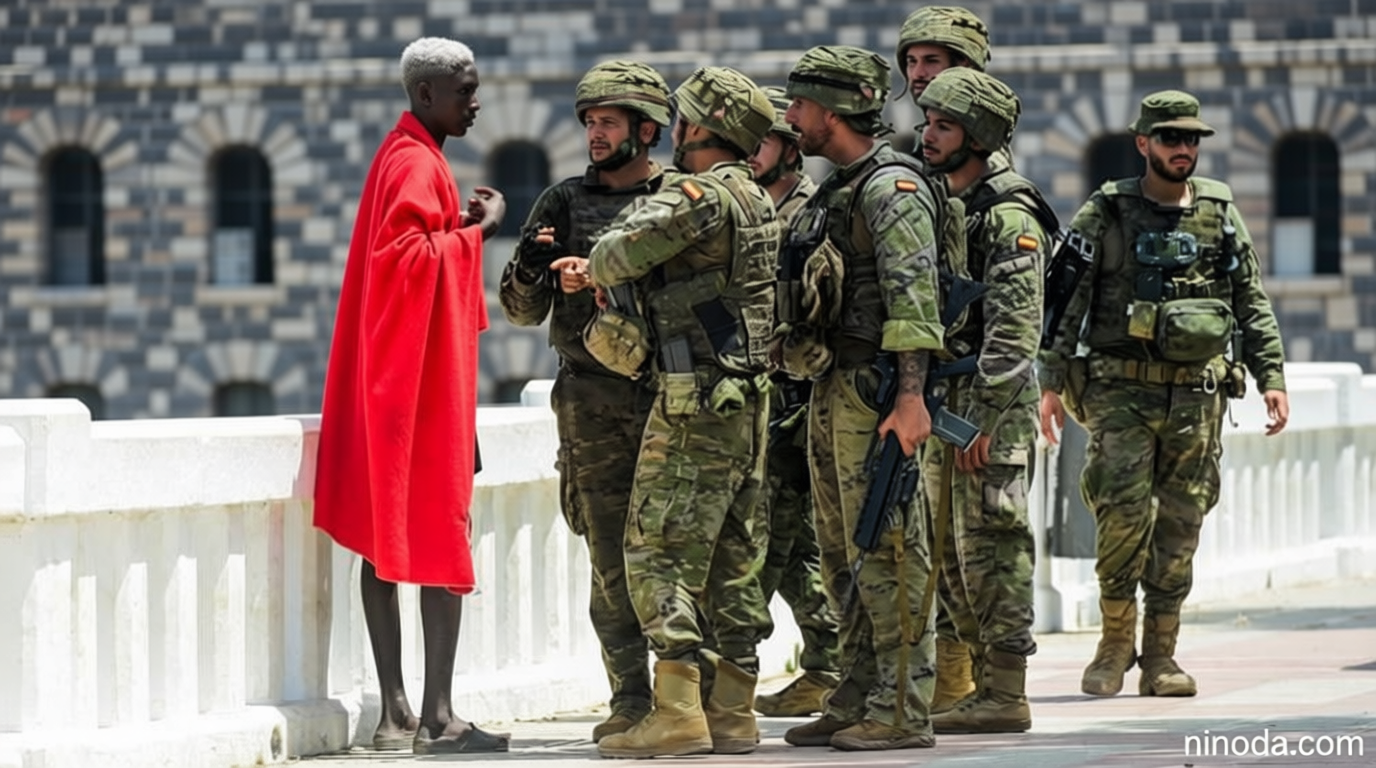
Burnham exchanged messages with person posing as Trump’s chief of staff

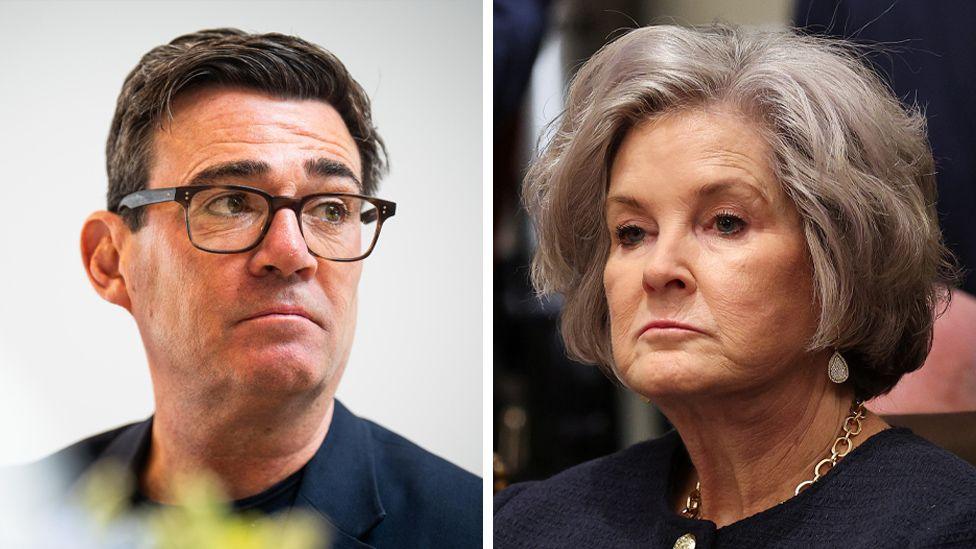
Table of Contents
Burnham Exchanged Messages With Person Posing as Trump’s Chief of Staff
Ninoda.com – Prime Minister Andy Burnham exchanged messages with person posing as Susie Wiles, the White House Chief of Staff serving US President Donald Trump. The brief text exchange, first reported by Politico, has drawn fresh scrutiny to Downing Street’s digital-communications safeguards and raised questions about how quickly the office detected the impostor and contained the situation.
How the Text Exchange Unfolded
Government sources told Politico that Burnham exchanged messages with person claiming to be Wiles before developing doubts about the sender’s identity. Only a handful of texts passed between the two parties, and no voice call or video conversation took place. Officials stressed that “no messages of significance” were conveyed and that the exchange was “quickly reported to the appropriate authorities” once suspicion arose. The speed of that internal escalation remains a point of interest for parliamentary questions expected in the coming days.
Downing Street has not disclosed the date of the exchange, the number of texts sent, or whether they travelled over WhatsApp, SMS, or another platform. A government spokesperson offered a characteristically terse response when pressed for operational detail:
“We do not comment on national security matters.”
White House Separates This Episode from the Earlier Phone Breach
A White House official told the BBC on Monday morning that the latest incident “had nothing to do” with the earlier breach of Wiles’ personal phone. The BBC had previously reported that the FBI opened an investigation into that hack, which occurred in May of last year. At the time, Wiles explained that an impersonator — or several — had exploited her contacts file to send messages to senior US figures. The intrusion targeted her personal device rather than a government line, yet recipients included senators, governors, and leading business executives across multiple states.
Wiles, a close Trump ally, was also identified in 2024 as one of those targeted by a cyber-espionage unit linked to Iran’s Revolutionary Guards, a powerful arm of the Iranian military. The convergence of multiple impersonation attempts around a single senior official has intensified calls across allied governments for tighter verification protocols, including mandatory multi-factor confirmation before any ministerial-level communication is treated as authentic.
A Wider Pattern of Impersonation Targeting UK Ministers
The Burnham episode is not an isolated case of officials being deceived by fake communications. In 2024, the Foreign, Commonwealth and Development Office confirmed that former foreign secretary David Cameron had been the victim of a hoax call in which the caller pretended to be Petro Poroshenko, Ukraine’s president from 2014 to 2019. Lord Cameron also traded a handful of text messages with the impostor. Because of his years as prime minister, Cameron had numerous prior dealings with the Ukrainian leader, including meetings at international summits. The FCDO chose to publish details of the exchange publicly, citing fears the episode could otherwise be “manipulated” by foreign actors seeking to sow discord.
Two further government ministers were targeted in 2022 by an imposter claiming to be Denys Shmyhal, who served as Ukraine’s prime minister from 2020 to 2025. Defence Secretary Ben Wallace attributed the calls to Russian “dirty tricks.” The communications were routed through Microsoft Teams, and Home Secretary Priti Patel confirmed she, too, had received them. A Ministry of Defence source described the video call as “fairly sophisticated” and noted it appeared to originate from “another government department,” lending it an air of legitimacy that made immediate detection difficult.
Frequently Asked Questions
Did the exchange result in any policy decisions or commitments? No. Officials confirmed that no substantive policy content was shared and that no decisions were made on the basis of the texts. The messages were limited in scope and were flagged internally before any follow-up action could have been taken.
What platform was used for the messages? Downing Street has not specified whether the texts were sent via WhatsApp, SMS, or another application. The spokesperson declined to comment, citing national-security sensitivities surrounding the Prime Minister’s personal devices.
Has any agency opened a formal investigation into this specific incident?
Related Reading