Captain of Russian shadow fleet tanker intercepted in Channel charged

Captain of Russian Shadow Fleet Tanker Charged After Interception in English Channel
UK Authorities Intercept and Charge Captain of Sanctioned Russian Oil Vessel
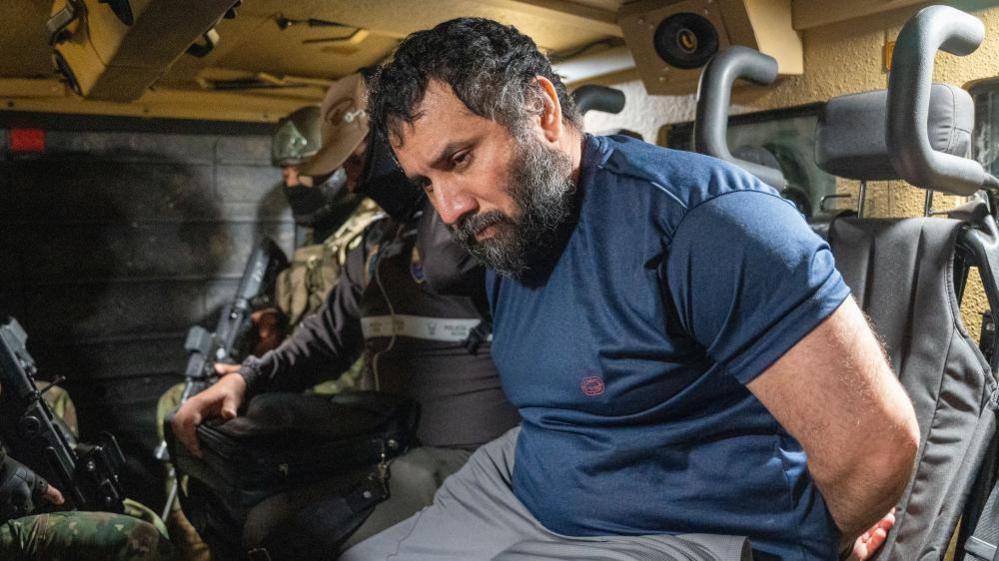
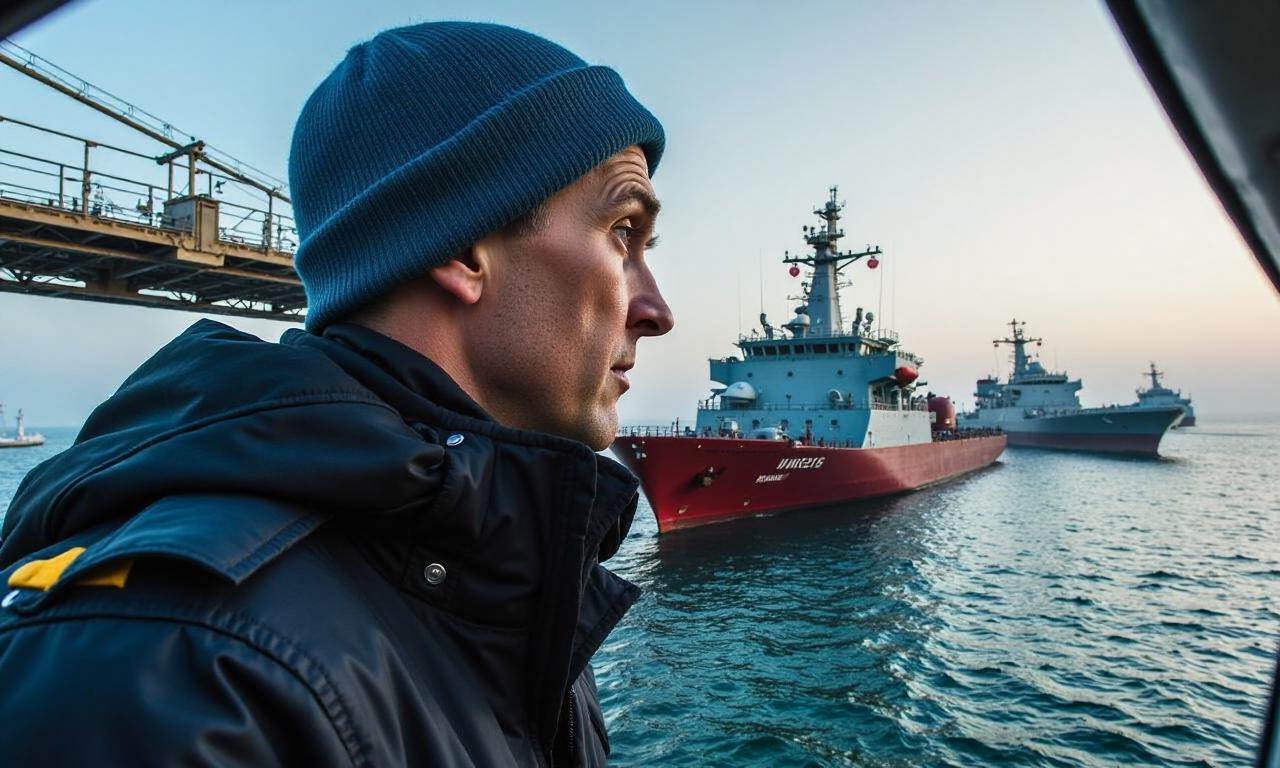
Ninoda.com – The captain of a Russian shadow fleet tanker has been charged following his interception in the English Channel, marking a pivotal moment in UK efforts to curb Russian economic influence. Ajay Pant, a 38-year-old Indian national, faces charges under the Russia (Sanctions) (EU Exit) Regulations 2019, specifically Reg 46Z9B, which prohibits the transportation of sanctioned Russian oil products to third countries. The MV Smyrtos, a 240-meter vessel flagged under the Marshall Islands, was intercepted on Sunday and is currently anchored off the coast of Weymouth, where it remains under the control of British forces. Pant is scheduled to appear at Southampton Magistrates’ Court on Tuesday, where his case will likely serve as a precedent for future enforcement actions against Russia’s maritime operations.
The interception, conducted by the National Crime Agency in collaboration with Royal Marines and Royal Air Force support, was the first major operation of its kind since the UK expanded its sanctions regime in response to Russia’s invasion of Ukraine. The MV Smyrtos is part of a network of shadow fleet tankers, which have been instrumental in circumventing international sanctions by disguising Russian oil shipments as neutral or third-country goods. This operation underscores the UK’s commitment to targeting the flow of sanctioned oil, a critical component of Russia’s war economy. According to officials, the six-hour interception demonstrated the effectiveness of integrated military and law enforcement strategies in securing compliance with sanctions.
Context of the Shadow Fleet and UK Sanctions
Russia’s shadow fleet has become a focal point in the global effort to isolate the country economically. These vessels, often operated by private companies or state-backed entities, have been used to transport oil to regions like Asia and Africa, where sanctions are less stringent. The UK’s sanctions, which were intensified in March 2023, now allow military forces to board and inspect sanctioned vessels within its territorial waters. Transport Secretary Heidi Alexander issued a directive on Monday to halt the MV Smyrtos’s departure, citing its role in facilitating illicit trade. This move reflects a broader strategy to disrupt Russia’s ability to sustain its military campaigns in Ukraine through financial means.
The MV Smyrtos’s interception comes amid growing concerns about the role of maritime transport in supporting Russia’s war efforts. With over 500 ships targeted under UK sanctions since 2022, the focus has shifted to intercepting vessels that bypass regulatory checks. The captain’s arrest highlights the accountability of individuals involved in these operations, even as the broader network remains active. Analysts suggest that the UK’s targeting of the shadow fleet is part of a coordinated international effort, as Western nations collectively aim to sever Russia’s access to global markets. The success of this operation could encourage further enforcement actions, potentially escalating pressure on Russia’s oil export infrastructure.
“Sanctioned oil is funding Putin’s war in Ukraine. Every barrel sold helps fund the missiles and drones used to kill Ukrainians in their home, destroy their infrastructure, and break their will,” stated Defence Secretary Dan Jarvis during a Commons address on Monday. The quote emphasizes the strategic importance of intercepting Russian oil shipments, as they directly contribute to the financial resources sustaining the conflict. Jarvis also noted that the operation sent a “clear signal to Russia that the UK and its allies can and will act against the Russian war machine,” reinforcing the nation’s resolve to enforce sanctions rigorously.
International observers have praised the UK’s decisive action, though some caution that sustained enforcement will require long-term coordination with allies. The MV Smyrtos’s crew, which includes 24 individuals, is currently cooperating with the National Crime Agency, providing critical evidence to support the charges against Pant. The case also raises questions about the legal and logistical challenges of intercepting vessels in international waters, where jurisdiction can be contested. As the UK continues to expand its maritime surveillance capabilities, the focus remains on disrupting the flow of sanctioned goods and holding individuals accountable for their role in the operation.
Experts predict that the interception of the MV Smyrtos will have broader implications for Russia’s economic strategy. By targeting key vessels in the shadow fleet, the UK aims to reduce the volume of oil reaching markets that do not impose strict sanctions. This approach could weaken Russia’s ability to fund its military operations, particularly in regions where energy exports are a vital economic lifeline. The case also serves as a reminder of the evolving nature of sanctions enforcement, with military and law enforcement agencies playing an increasingly active role in international trade regulation. As the trial of Ajay Pant proceeds, the outcome may influence future cases involving Russian shadow fleet operations, setting a legal precedent for the UK’s maritime strategy.