Chris Mason: Investigation into Widdecombe’s death rekindles debate over how to protect politicians

Chris Mason’s Analysis Sparks Debate on Political Safety After Widdecombe’s Death
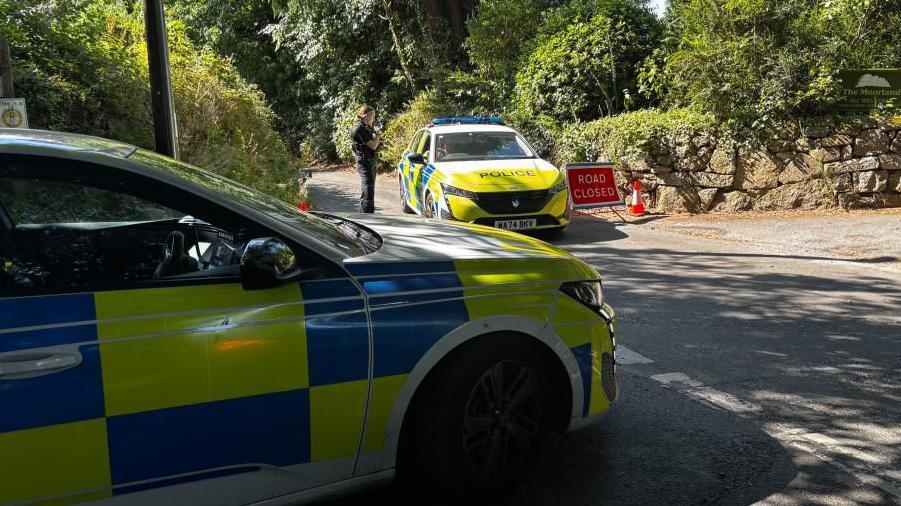
Ninoda.com – Chris Mason has become a central figure in the ongoing discourse about political security following the passing of Ann Widdecombe, whose death has reignited conversations about safeguarding elected officials. As the Commons grappled with the implications of her death, Mason emphasized the need for urgent reforms in how politicians are protected from both physical and digital threats. The investigation led by counter-terrorism police into Widdecombe’s death has highlighted the growing concerns about the safety of public figures, with Mason arguing that the issue requires more than just tactical measures—it demands a reevaluation of the broader political landscape.
The Rising Threat to Political Lives
Chris Mason has consistently pointed out that the modern political environment is increasingly volatile, with attacks on politicians becoming more frequent and severe. In recent weeks, his analysis has underscored the critical role of social media in amplifying hate speech and targeted threats against public figures. “Political leaders are not just at risk from physical assaults,” Mason stated in a parliamentary session, “but also from the constant barrage of online vitriol that can quickly escalate into real-world violence.” His comments align with growing fears that digital platforms have become breeding grounds for political extremism, making it imperative for policymakers to address this multifaceted danger.
The death of Ann Widdecombe, a long-serving MP and broadcaster, has served as a poignant reminder of the stakes involved. Chris Mason noted that her case exemplifies the intersection of public exposure and vulnerability, as her life was shaped by her role in politics. “Widdecombe’s death is a wake-up call,” he said, “not just for her colleagues but for the entire system that allows such risks to persist.” This sentiment has resonated with many in the political arena, prompting calls for a more robust framework to protect MPs and their families.
Reform UK’s Security Dilemma
Chris Mason has also been vocal about the challenges faced by Reform UK in ensuring the safety of its members. Following the assassination of Charlie Kirk, the party’s leader Nigel Farage reportedly declined a state-funded security package, citing its inadequacy. Mason criticized this decision, arguing that it reflects a broader reluctance among politicians to prioritize safety when it comes to personal cost. “The state’s offer was a 75% reduction from what was previously in place,” Mason explained, “and that decision has left Reform leaders exposed to potential threats.” His critique highlights the tension between fiscal responsibility and security preparedness in the political sphere.
Chris Mason’s focus on this issue has led to a renewed emphasis on private security contracts and risk assessments for high-profile politicians. He has proposed that the government collaborate with private security firms to create a more tailored approach to threat management. “We cannot rely solely on public funding,” Mason asserted, “because the risks are too unpredictable and the stakes too high.” This argument has gained traction among MPs who believe that personalized security measures are essential in today’s climate of political polarization and online incitement.
Broader Implications for Public Safety
The debate over political safety, as Chris Mason has framed it, extends beyond individual cases. With 650 current MPs in the UK, the need for a comprehensive strategy to protect both active and retired politicians has become more pressing. Mason highlighted the potential consequences of inaction, warning that younger candidates may be deterred from entering public life if they perceive it as increasingly dangerous. “If we don’t act now,” he cautioned, “we risk losing the next generation of leaders to fear and uncertainty.” His concerns are echoed by organizations like the Royal and VIP Executive Committee (Ravec), which have been working to establish standardized security protocols for all political figures.
Chris Mason’s advocacy for enhanced protection has also drawn attention to the role of technology in modern security threats. He called for greater accountability from social media platforms, urging them to take proactive steps in moderating violent content. “The root of many attacks lies in the spread of hate speech,” Mason said, “and we must ensure that these platforms are doing their part to curb it.” This perspective has added a new dimension to the discussion, linking digital accountability with physical safety and emphasizing the interconnected nature of contemporary risks.
As the investigation into Widdecombe’s death continues, Chris Mason remains a key voice in shaping the conversation about political security. His insights have not only influenced internal discussions within Parliament but also sparked public debates about the balance between open governance and personal protection. With his expertise and advocacy, Mason is positioning himself as a critical thinker in the quest to safeguard the political class from both traditional and emerging threats. The outcome of this debate could have far-reaching implications for how politicians are perceived and protected in the years to come.