Chris Mason: Will Burnham find PMQs as ‘nail biting’ and ‘nerve wracking’ as Blair did?


Table of Contents
Andy Burnham Faces the Full Force of Parliamentary Scrutine After a Quiet Start
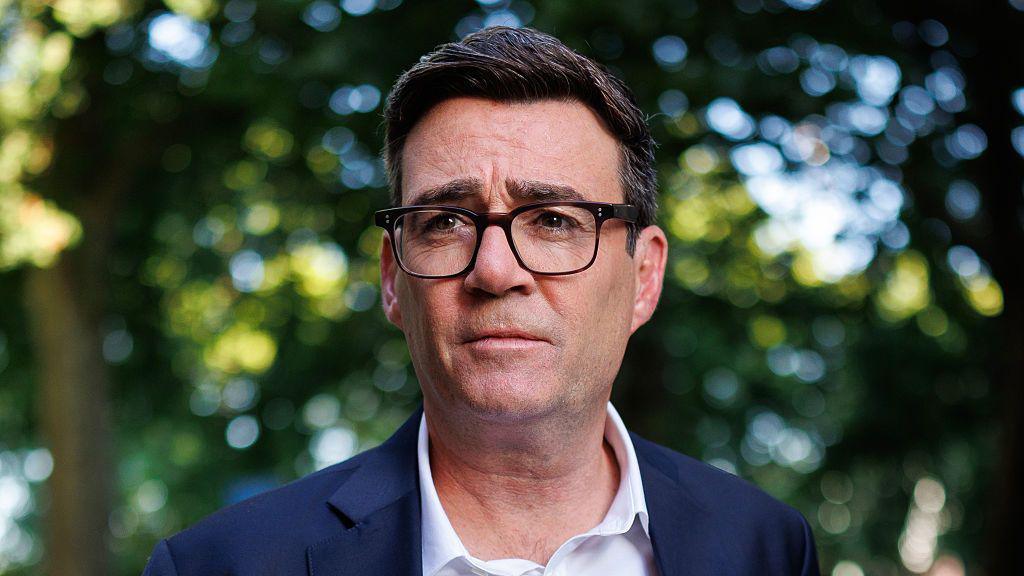
Ninoda.com – For six weeks, the man at Number 10 had enjoyed something no prime minister typically gets: a near-total absence of formal questioning in the House of Commons. Heatwaves blanketed Westminster, MPs scattered for summer, and the new occupant of Downing Street slipped through his opening month with remarkably little structured opposition. Now that routine has snapped back into place, and the weekly ritual of Prime Minister’s Questions — roughly thirty minutes of verbal sparring at the heart of Westminster’s public-facing theatre — has arrived for Andy Burnham for the very first time.
The timing, however, makes this debut something of a misnomer. By the time Burnham stepped into the chamber on Tuesday afternoon, he had already endured three and a half hours of sustained parliamentary interrogation. The House was playing catch-up, compressing into a single session the kind of scrutiny that would ordinarily be spread across the opening days of a premiership. What followed at lunchtime the next day, therefore, risked feeling less like a gauntlet and more like a minor coda to an ordeal already completed.
The Blair Benchmark
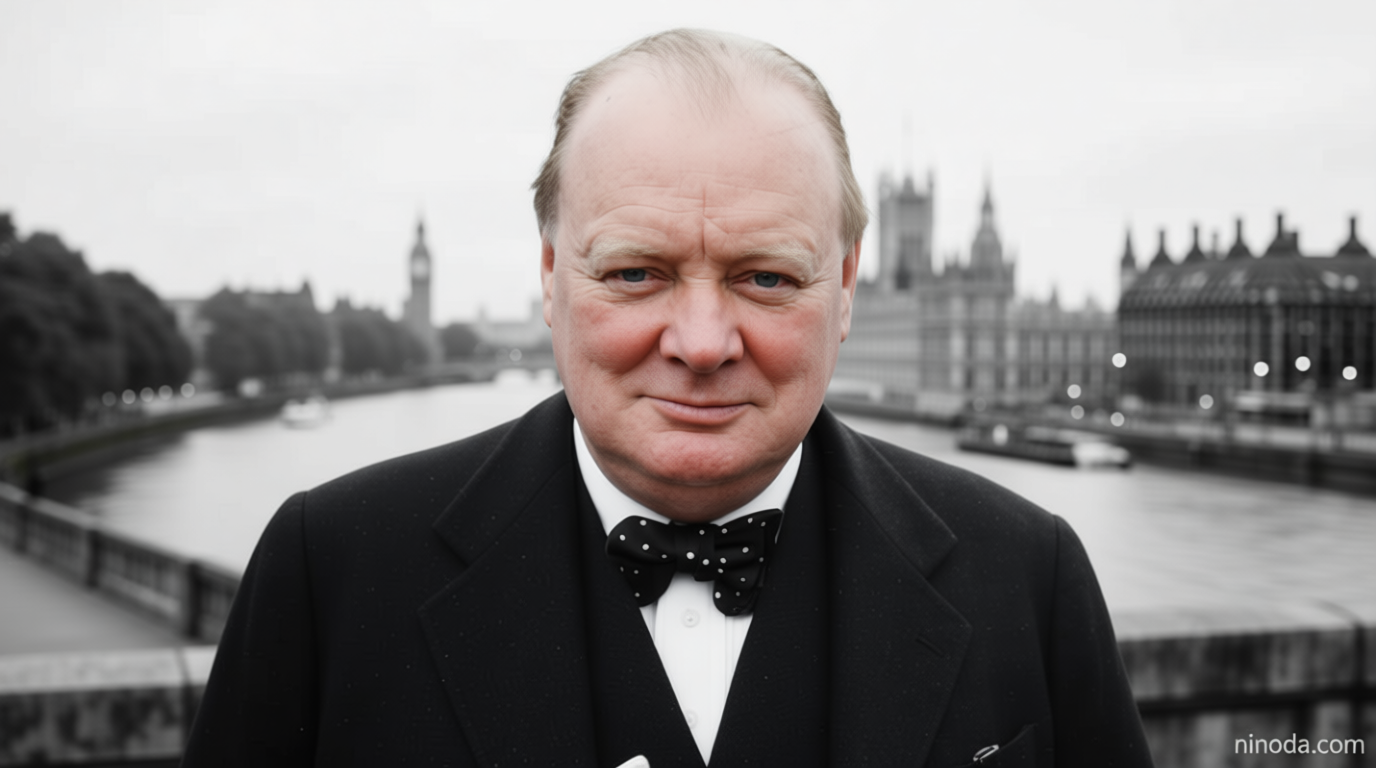
Every prime ministerial memoir treats PMQs as the defining weekly trial. Sir Tony Blair, in his own recollection, described the experience in language that has become almost proverbial among Westminster observers:
“PMQs was the most nerve wracking, discombobulating, nail biting, bowel moving, terror inspiring, courage draining experience in my prime ministerial life, without question.”
Burnham, stepping into that chair for the first time, would have been aware of the weight of that description. Yet the political calculus of his situation is different from Blair’s. Blair entered office amid a fresh election mandate and a tightly managed media cycle. Burnham’s arrival was unscripted, born of internal Labour succession dynamics, and his first weeks were defined less by policy announcements than by the simple logistics of a parliament in recess.
A Soft Launch, Then a Sudden Flood
The coincidence of his elevation with the summer departure of MPs created what observers described as a soft launch. No formal questions, no structured opposition, no weekly deadline forcing the government to articulate positions under pressure. The result was a month in which the new administration could settle into its routines without the usual parliamentary spotlight.
That respite ended abruptly. When Parliament reconvened, the backlog of unanswered questions arrived all at once. Burnham’s Tuesday afternoon session was not a single PMQs-style exchange but a marathon of ministerial questioning across multiple departments, the kind of sustained pressure that tests both preparation and temperament simultaneously.
What the Chamber Saw
Those present in the Press Gallery on Tuesday noted a prime minister who appeared composed, even at ease, as he articulated his political priorities. Flanked by Labour Deputy Leader Lucy Powell — who was observed brushing a small piece of fluff from the back of his jacket — and Louise Haigh, his first secretary of state, Burnham delivered his opening arguments with a steadiness that drew the customary roar of approval from his own benches.
That roar, it should be noted, is a feature of Westminster’s performative culture. Labour MPs tend to deliver their partisan endorsement with near-identical volume regardless of the political weather their leader is navigating, or indeed their own role in generating that weather. Still, for Burnham specifically, the moment carried added significance. Having spent months weighing whether to stick with Sir Keir Starmer or twist toward another candidate, the party’s parliamentary group was seeing, for the first time, how their chosen leader performed under direct fire.
Substance and Strategy
Beyond the theatrical elements, the substantive content of Burnham’s debut was measured. He signalled commitments to further devolution of powers to regional bodies and to greater public control over essential services. He confirmed his intention to attend the COP climate summit later in the autumn. He placed blame for economic damage squarely on Brexit. And he indicated, without specifying mechanisms or timelines, that he would find the fiscal space to increase defence spending.
His opponents, speaking privately, acknowledged that his more upbeat demeanour and sunnier disposition represented a politically savvy departure from the tone of his predecessor. Yet they were quick to identify the structural problems they expected him to inherit: prisons running at capacity, defence budgets stretched thin, and a social care system still awaiting fundamental reform. A compact trio of pressure points, each demanding answers that no single afternoon session could supply.
The government’s apparent strategy, as read by those watching closely, is one of gradual accumulation. Ideas and plans are to be introduced incrementally into the national conversation, taking shape over weeks and months rather than arriving as fully formed policy drops. The aim is to avoid the spectacle of a government caught announcing measures it has not yet fully costed or stress-tested.
“People’s Major Questions”
One element of Burnham’s approach stands apart from conventional practice. He has posted on social media an invitation that reframes the PMQs format itself:
“I want to be talking to you, the public, not just the House of Commons, so let’s make it People’s Major Questions rather than Prime Minister’s Questions, so send me what you want to ask me and I’ll answer them after the other PMQs.”
Whether this becomes a recurring feature or remains a one-off gesture of populist signalling remains to be seen. If sustained, it would represent a genuine structural shift in how a sitting prime minister engages with non-parliamentary audiences, collapsing the traditional boundary between the chamber and the wider public. If abandoned after a week, it will be filed under the category of performative innovation that costs nothing and changes nothing.
What is clear is that the era of quiet has ended. The weekly cycle of scrutiny, the half-hour of verbal jousting, the public spectacle of a government answering for itself under the gaze of the gallery — all of it has resumed. Burnham now inhabits the full rhythm of the job, and the questions, as Blair’s memoirs remind us, are never merely procedural. They are the measure by which a prime minister’s nerve, preparation, and political judgement are tested, week after week, in front of the entire country.
Related Reading
Frequently Asked Questions
What is Chris Mason?
Chris Mason is the main topic of this guide. The article explains the context, practical details, and next steps readers should understand.
Why does Chris Mason matter?
Chris Mason matters because readers are looking for a useful answer, not just a short summary. Good content should match search intent and help them decide what to do next.