‘Cool in 90 seconds’ – the fake portable air conditioners sweeping the internet

Cool in 90 Seconds: Fake Portable ACs Targeting the UK Market
Ninoda.com – As the UK braces for another scorching summer, a surge in online ads for portable air conditioners has sparked concerns about exaggerated claims. These devices, often marketed with the phrase “cool in 90 seconds,” promise rapid cooling and are frequently touted as “designed by former NASA engineers.” However, regulatory bodies like the Advertising Standards Authority (ASA) have flagged these products for overstating their abilities, leaving consumers skeptical about their true effectiveness.
The Popularity of “Cool in 90 Seconds” Claims
The trend of “cool in 90 seconds” ads has gained traction on social media platforms and e-commerce sites, attracting a wide audience seeking quick relief from rising temperatures. The allure of rapid cooling is especially strong in regions where traditional air conditioning systems are less accessible or more expensive. Many of these ads use eye-catching visuals and high-tech jargon to create an impression of advanced functionality, even though the products may lack the engineering prowess they suggest. The ASA has noted that such campaigns often rely on hyperbolic language to mislead buyers, with phrases like “instant cooling” or “efficient performance” appearing frequently in the descriptions.
Testing the Claims: What the Experts Say
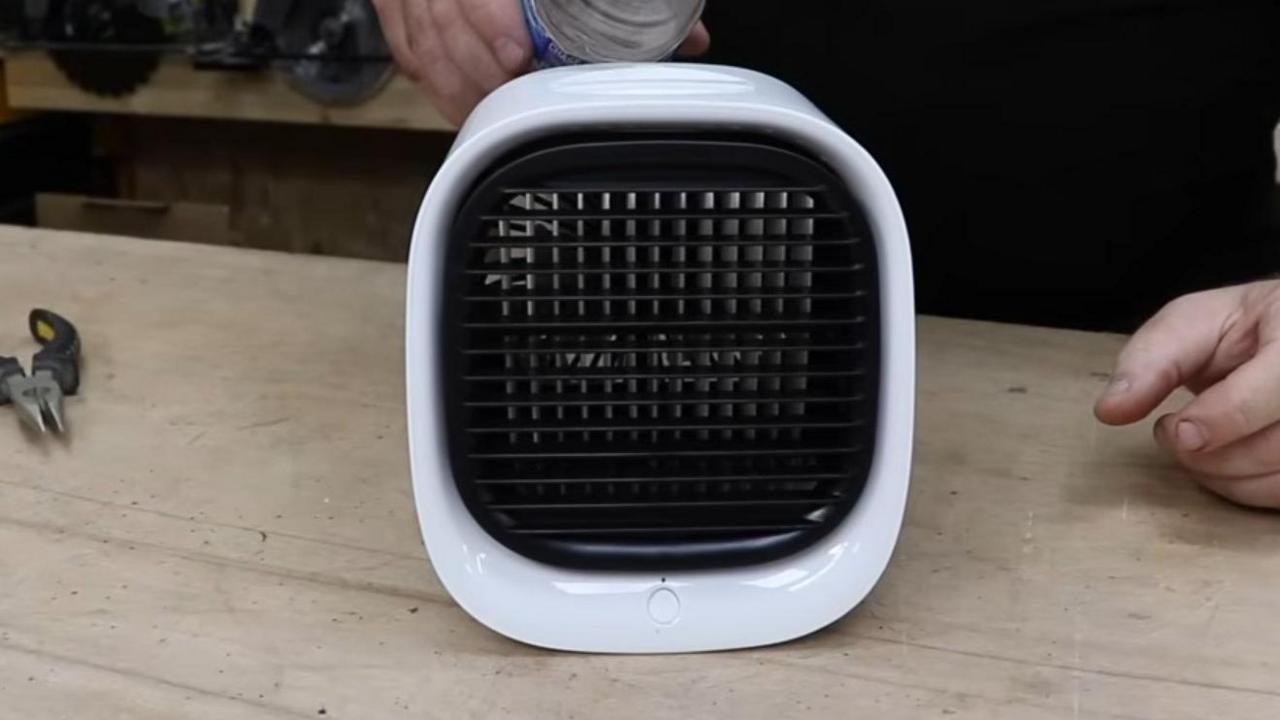
On his Proper DIY channel, Stuart Matthews, a YouTuber and civil engineer, conducted a detailed analysis of these so-called rapid-cooling units. His findings revealed that the £70 machine he tested was little more than a basic fan with minimal cooling capability. “It’s a small, simple fan worth only a few pounds,” he said, highlighting the gap between the product’s price and its performance. The ASA echoed these concerns, emphasizing that while some portable air conditioners may offer limited cooling, the claims of “cooling a room in 90 seconds” are often overstated. This misrepresentation can lead to disappointment for consumers who expect immediate results but are met with slow, inefficient performance.
“I really feel for the people that have been sucked into buying some of this rubbish,” Matthews said. He pointed out that many of these units operate on a principle similar to swamp coolers, which use evaporative cooling. While effective in dry climates, swamp coolers struggle in the UK’s humid conditions, making them less appealing for everyday use. Traditional air conditioners, in contrast, remove heat through an exhaust system, delivering faster and more consistent cooling. The lack of such features in these “fake” portable units further undermines their credibility.
The Role of AI in Advertising Misdirection
Some of the most convincing “cool in 90 seconds” ads utilize AI-generated visuals to enhance their appeal. These images often feature sleek, high-tech designs with copper coils and metallic boxes, giving the impression of cutting-edge engineering. One such ad claimed the device could rapidly lower room temperatures, but closer inspection revealed a surprising truth: the product contained “cardboard fins that get wet as water blows past them.” This visual trickery not only distorts the product’s actual capabilities but also exploits the public’s trust in digital marketing. The use of AI in advertising has become increasingly common, allowing brands to create realistic-looking content that can be difficult for consumers to discern from genuine product demonstrations.
Consumer Advice and Regulatory Actions
In response to the growing number of misleading ads, the ASA has mandated that advertisers revise their claims and provide clearer, more accurate information. While the watchdog cannot impose direct fines, it has the authority to issue enforcement notices and work with platforms like Meta and YouTube to address deceptive content. Consumers are encouraged to scrutinize product details, verify contact information, and seek independent reviews before making a purchase. Additionally, checking for certifications such as the Energy Efficiency Label or safety standards can help identify more reliable options. The BBC has reached out to these platforms to investigate further and ensure that the “cool in 90 seconds” promise is backed by real-world performance.
As the demand for portable cooling solutions continues to rise, the market for “cool in 90 seconds” devices is expanding rapidly. While these products may offer some level of comfort, their effectiveness is often overstated, leaving consumers to question their value. With the help of technology and marketing tactics, these ads have managed to capture the attention of many, but the key to avoiding deception lies in thorough research and critical evaluation. Whether you’re in the UK or elsewhere, understanding the limitations of these gadgets is essential to making informed decisions about your cooling needs. By staying vigilant, you can ensure that the “cool in 90 seconds” promise doesn’t fall short of your expectations.