
Covid failings in care homes: What the inquiry says

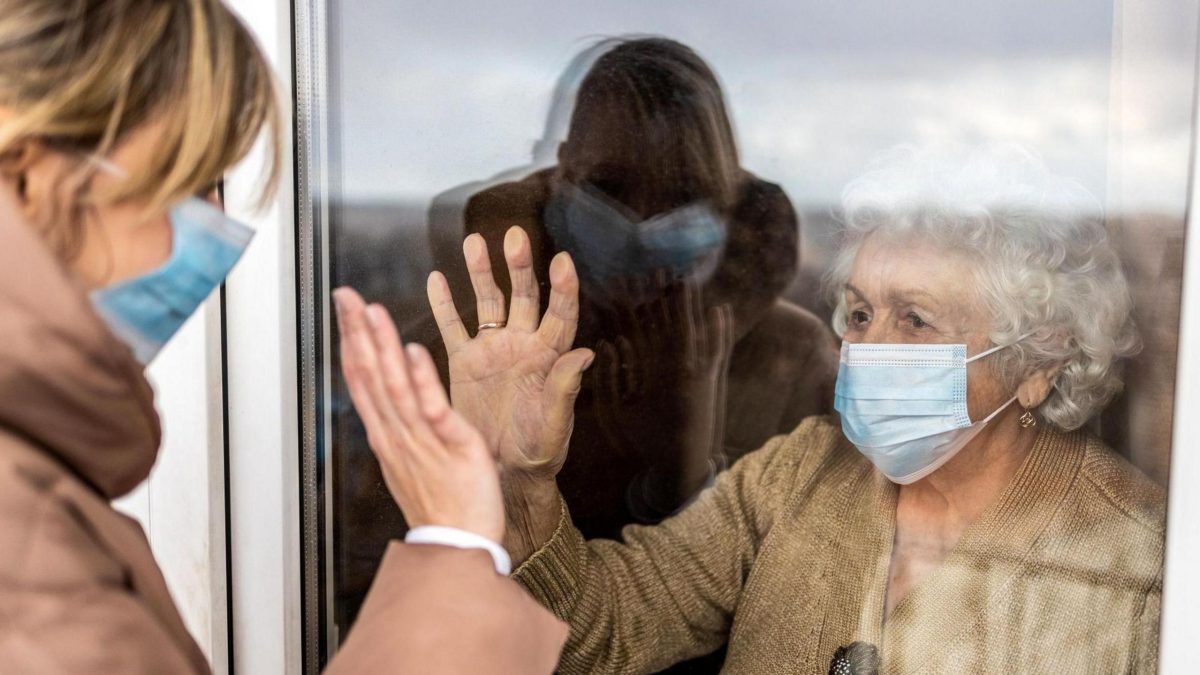
Table of Contents
Covid inquiry finds care settings were left dangerously exposed
Ninoda.com – People receiving social care were not protected quickly enough during the first stages of the Covid-19 pandemic, with severe consequences for residents, families and staff across the UK. The sixth report from the Covid inquiry examines how care homes and home-care services were treated as the crisis unfolded, concluding that long-standing weaknesses made the sector especially vulnerable.
At the beginning of the pandemic, roughly 500,000 people lived in care homes and a further one million received support in their own homes. Between March 2020 and July 2022, more than 43,000 deaths involving Covid were recorded in care homes. The 287-page report describes a response that arrived too late and failed to give social care the same prominence as the NHS.
A promised “protective ring” did not materialise
Matt Hancock, then England’s health secretary, said early in the pandemic that a “protective ring” had been placed around care homes. The inquiry found that this claim did not reflect the reality experienced by providers, residents and workers. Instead, it identified repeated failures in planning, supplies, testing and communication.
“A protective ring”
The care sector appeared to have been treated as an afterthought. Providers struggled to obtain adequate personal protective equipment, leaving some workers to improvise with bin bags, festival ponchos and painters’ coveralls. These shortages were particularly serious because care staff had close and frequent contact with people who were often older, frail or living with serious health conditions.
Social care covers far more than residential homes. It includes people receiving help in their own homes, as well as a wide range of private, charitable and council-linked providers. That scale and variety made a fast, co-ordinated response difficult, but the inquiry found that the system’s fragmentation had already left it more distant from central government than the NHS.
Hospital discharge policies created additional risk
One major concern involved patients leaving hospital for care homes while they might have had Covid-19. The need to create hospital capacity for people seriously ill with the virus was understandable. However, the inquiry concluded that patients should have been kept apart from other residents when their infection status was uncertain.
Guidance issued in March 2020 for England, Wales and Northern Ireland did not ask care homes to isolate such people from others. Insufficient testing made this omission especially significant. A resident returning from hospital could potentially introduce infection into a setting where people shared communal space and relied on close personal support.
The issue illustrates why the inquiry places such importance on precaution during the early weeks of the pandemic. Where testing was unavailable or limited, decisions about movement between hospitals and care homes required stronger safeguards to reduce the chance of transmission.
Existing workforce problems intensified
Before Covid-19, social care already had high vacancy levels and frequent staff turnover. The inquiry describes the workforce as fragile and lacking resilience when the emergency began. Those conditions limited the sector’s ability to respond when staff became ill, had to isolate or could no longer work across several settings.
Many homes relied on agency workers, some of whom normally worked at more than one location. Restricting movement between homes was an understandable infection-control measure, but it also made staffing shortages worse. Providers faced a difficult balance between reducing the spread of the virus and ensuring residents still had enough people available to provide essential care.
Financial pressures compounded the problem. Demand for some services fell, affecting providers’ income. At the same time, many workers were employed on zero-hours contracts and did not have enough financial support to stay away from work when they feared they may have been infected. This created a situation in which public-health protection and personal financial security could come into conflict.
Visiting restrictions caused lasting harm
Restricting visits was one of the most painful aspects of the pandemic for care-home residents and their families. The inquiry accepts that broad visitor bans were a rational initial step, when little was known about the virus and infection-control arrangements were still developing. But it says restrictions should have changed more quickly as evidence improved.
Family members often provide more than companionship. They may help with personal care, communication, reassurance and a resident’s emotional wellbeing. Separation from relatives could therefore affect both physical and mental health, particularly for people living with dementia or other conditions that make familiar support especially important.
By September 2020, available evidence indicated that visitors represented only a marginal risk, while staff were considered the principal route through which infection entered homes. Guidance across the four UK nations began to become less restrictive. Yet many homes did not put the revised approach into practice, leaving visiting severely limited for longer than the evidence justified.
The inquiry links this prolonged isolation to a substantial deterioration in residents’ health and wellbeing. Its findings underline that infection control cannot be assessed only through case numbers: the harms caused by loneliness, disrupted care and loss of family contact also need to be weighed.
Concerns over blanket DNACPR decisions
The report also addresses do not attempt cardiopulmonary resuscitation decisions, known as DNACPR orders. CPR can save a person’s life when their heart stops, although it may not be appropriate in every case. A decision not to attempt resuscitation should be made individually, taking account of the person’s circumstances, wishes and clinical needs.
Blanket DNACPR decisions are unlawful. The inquiry heard evidence that some GPs imposed them on care-home residents during the pandemic. Records also showed a sharp rise in DNACPR orders in the first nine months of the crisis, increasing from 16,800 to 26,500.
These concerns reflect findings from an earlier Care Quality Commission investigation, which identified unacceptable and inappropriate DNACPR decisions. The issue raised serious questions about whether residents and families were involved properly in choices that should remain personal and individual.
The cost borne by care workers
Care-home staff faced intense pressure while trying to protect residents in unfamiliar and frightening conditions. The inquiry says the experience had a major effect on workers’ mental health and wellbeing. Some employees even moved into the homes where they worked to reduce the possibility of bringing infection in from outside.
The report’s wider message is that social care cannot be left at the edge of emergency planning. Future pandemic preparations will need to consider staffing, infection control, protective equipment, testing, financial support and residents’ rights together. For people living in care settings, safety must include protection from infection without overlooking dignity, family connection and individual decision-making.
Related Reading
Frequently Asked Questions
What is Covid failings in care homes?
Covid failings in care homes is the main topic of this guide. The article explains the context, practical details, and next steps readers should understand.
Why does Covid failings in care homes matter?
Covid failings in care homes matters because readers are looking for a useful answer, not just a short summary. Good content should match search intent and help them decide what to do next.