Curfew imposed in parts of central Paris and other cities after rioting across France

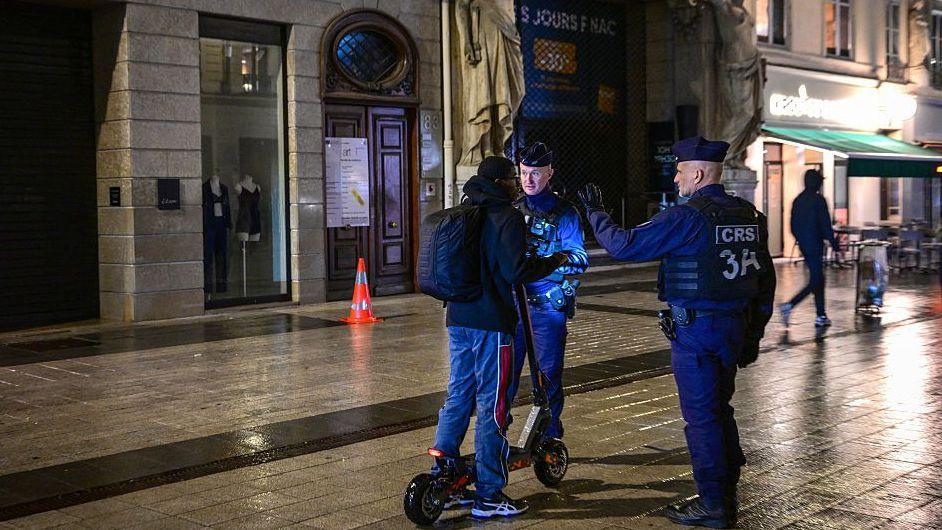
Table of Contents
Curfews Introduced as France Responds to Widespread Weekend Disorder
Ninoda.com – French authorities have moved to restrict overnight movement in parts of Paris and several other cities after a weekend marked by large demonstrations, looting and serious damage to public and private property. The measures reflect growing concern that unrest initially linked to student demands has widened into a broader challenge involving high living costs, fuel prices and pressure on public services.
In central Paris, police have set an overnight curfew from 23:00 to 06:00 local time in and around Place de la République, a focal point for gatherings during the weekend. Restrictions also apply in the Les Halles shopping district, while unauthorised assemblies have been prohibited in several other central neighbourhoods.
Restrictions Extend Beyond the Capital
Other municipalities have announced more limited curfew arrangements, with local rules varying between restrictions on young people’s movements and limits on public gatherings. Marseille, Bordeaux, Nice and Lyon are among the southern cities affected, while Lille and other northern towns have also introduced measures.
After a government crisis meeting on Monday, Prime Minister Sébastien Lecornu said mayors would be able to impose curfews where local circumstances required them. He did not provide a full list of the cities expected to use those powers, and he left open the possibility of a national state of emergency.
“There will be a law that will be put in place to find ways of making sure that those who have damaged properties will have to pay,” Lecornu said.
The prime minister said the state would provide financial support to communities hit by the violence, with the eventual aim of recovering those costs from people responsible for damage. He also announced a partial unemployment scheme for workers unable to carry out their jobs because businesses had been disrupted by the disturbances.
Police Response Under Political Pressure
Interior Minister Laurent Nuñez has faced intense criticism from opposition figures over whether authorities were adequately prepared. He acknowledged that police had been unable to maintain control in certain cities during the disorder.
Nuñez offered his resignation on Sunday, but President Emmanuel Macron rejected it. The Élysée Palace said continuity in the leadership of law enforcement was needed, while also calling for greater openness about what Macron described as failures in intelligence and anticipation.
Investigators are now reviewing extensive security-camera footage. Nuñez said 200 investigators had been assigned to identify people who may have coordinated or led acts of violence.
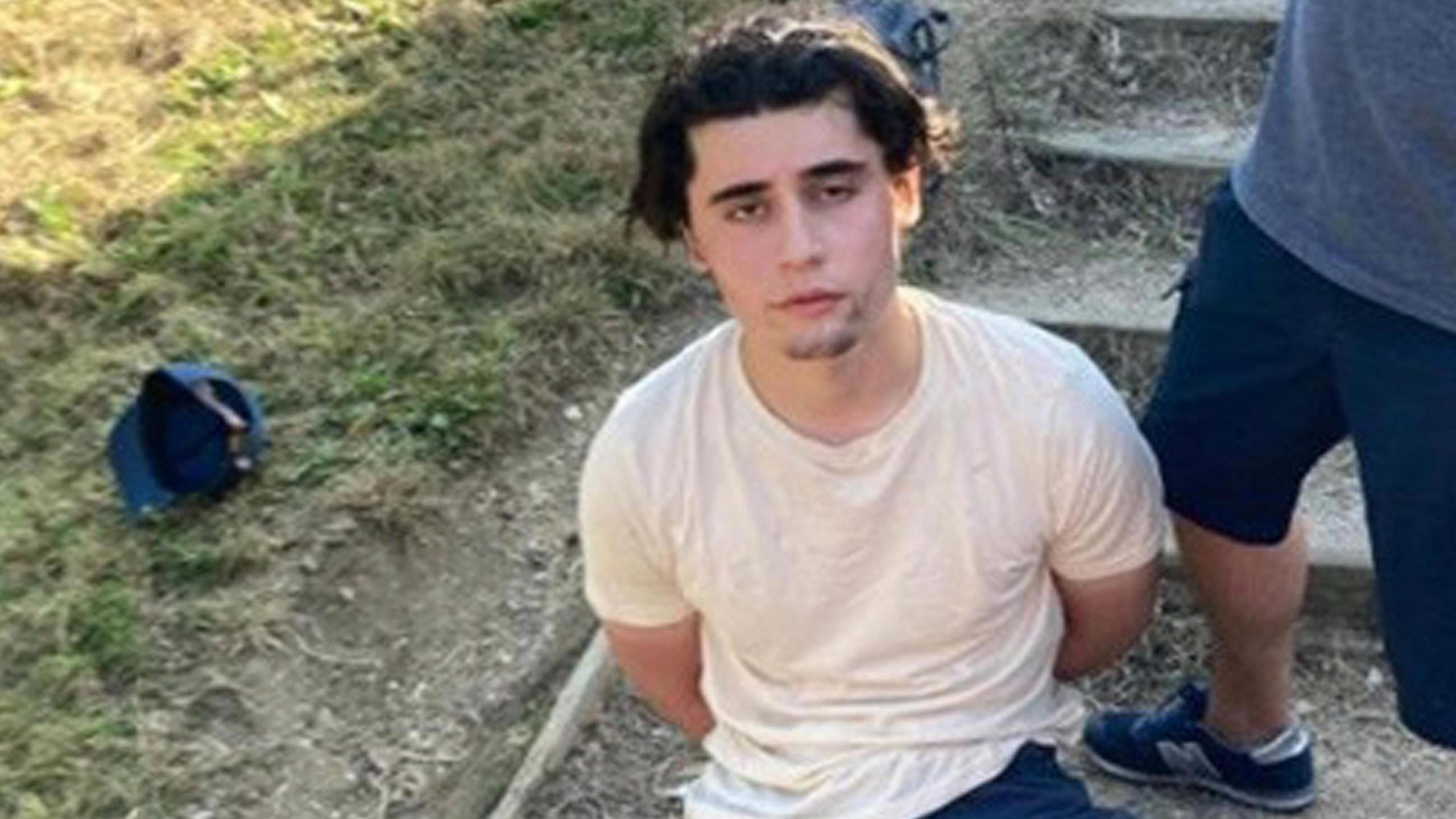
Officials said more than 2,500 arrests had been made. Around 1,000 police officers were injured during the unrest. One protester lost a hand after a police crowd-control grenade exploded, an incident that is likely to add further scrutiny to the policing of demonstrations.
Protests Grow Beyond Their Initial Cause
The first demonstrations began last month with students calling for improved conditions in schools. Over time, the movement expanded to include dissatisfaction over rising fuel costs, household budgets and declining public services. Trade unions and a range of protest organisations contributed to the larger crowds seen over the weekend.
An estimated 550,000 people joined demonstrations across France. While many participants protested peacefully, groups of masked individuals dressed in dark clothing were seen attacking buildings, setting vehicles on fire and entering businesses in Paris, Marseille and other cities as well as smaller towns.
The events have highlighted the difficult distinction authorities face between protecting the right to demonstrate and preventing criminal acts that emerge around major public gatherings. The curfews are intended to give local officials a more targeted tool than a nationwide emergency declaration, although their effectiveness will depend on enforcement and public cooperation.
Businesses Count the Cost
Commercial areas have been among the hardest-hit locations. More than 2,000 shops and businesses were directly affected during the weekend, France’s Chambers of Commerce and Industry said. Its president, Alain Di Crescenzo, estimated total losses at hundreds of millions of euros.
In Marseille, local chamber president Jean-Luc Chauvin said shop owners were facing profound anxiety about the future of their businesses. For small retailers, a single night of destruction can bring lost stock, repair bills, interrupted trading and uncertainty about whether insurance will cover every cost.
Damage was particularly striking in Limoges, where rioters set fire to the city’s ornate 19th-century town hall on Saturday. The blaze devastated the building, causing its roof and clock tower to collapse. The destruction of a historic civic landmark has intensified the sense of shock in communities already dealing with damaged shops and public facilities.
Online Sales and International Warnings
Government ministers have also raised concerns that goods taken during the looting were appearing on online resale platforms. Vinted said the sale or solicitation of stolen items is forbidden on its service and that its teams had moved quickly to remove listings linked to the unrest while increasing checks for suspicious activity.
“Since this weekend, our teams have taken immediate action to identify and remove listings linked to the looting, and we have stepped up monitoring of suspicious listings,” Vinted said.
Foreign governments are advising travellers to be alert. The United States Embassy has urged its citizens to avoid locations affected by recent demonstrations and to take care near large crowds. China and Germany have issued comparable cautions.
Political tension is also rising as France considers how to prevent another escalation. Some politicians have accused the left-wing La France Insoumise party of contributing to the violence, adding another layer of division to an already volatile debate over policing, protest rights, public spending and economic pressure on households.
For residents and business owners in affected areas, the immediate priority is restoring safety and reopening damaged neighbourhoods. For the government, the challenge is broader: containing disorder without deepening public anger, supporting communities that have suffered losses, and addressing the grievances that helped turn a student-led movement into one of the country’s most disruptive protest periods.
Related Reading
Frequently Asked Questions
What is Curfew imposed in parts of central?
Curfew imposed in parts of central is the main topic of this guide. The article explains the context, practical details, and next steps readers should understand.
Why does Curfew imposed in parts of central matter?
Curfew imposed in parts of central matters because readers are looking for a useful answer, not just a short summary. Good content should match search intent and help them decide what to do next.