‘Extreme’ marine heatwave expected for parts of UK

Extreme Marine Heatwave Expected for Parts of UK
Ninoda.com – Scientists are forecasting an intense marine heatwave to impact certain regions of the UK in the coming weeks, raising concerns about the long-term effects on coastal ecosystems and fisheries. This event, described as “extreme marine heatwave expected for parts,” marks a significant deviation from historical temperature patterns, with ocean waters reaching levels typically observed in late summer earlier in the year. The phenomenon has already begun to alter marine biodiversity, as species adapt to warmer conditions, and experts warn of potential disruptions to food chains and habitat stability. As the Met Office continues to monitor the situation, the UK is bracing for a summer that may be defined by its coastal climate shifts.
Causes of the Unusual Heat Accumulation
The current marine heatwave is being driven by persistent high-pressure systems, often referred to as “heat domes,” that have been lingering over Europe this year. These atmospheric patterns trap heat, leading to prolonged periods of elevated sea temperatures. The combination of natural variability and human-induced climate change has amplified the intensity of such events, with the UK’s coastal waters experiencing a stark rise in thermal energy. According to the Met Office, the warming trend is part of a broader pattern of global ocean temperature increases, which are expected to become more frequent as greenhouse gas emissions continue to rise.
Ecological Consequences
Marine heatwaves can have cascading effects on ecosystems, particularly in shallow, sensitive habitats like the southern North Sea and English Channel. Seagrass meadows, which serve as crucial nurseries for juvenile fish and invertebrates, are under threat as rising temperatures reduce oxygen levels and increase the risk of algal blooms. Kelp forests, another key habitat, are also showing signs of stress, with some areas experiencing die-offs that could reshape coastal environments. These changes may lead to a decline in native species, while warmer waters could facilitate the expansion of tropical or subtropical organisms into UK waters.
“The early arrival of summer-like conditions is a clear signal of how climate change is reshaping our marine environments,” noted Dr Zoe Jacobs of the National Oceanography Centre. “If the “extreme marine heatwave expected for parts” becomes a regular occurrence, we may see irreversible shifts in biodiversity and ecosystem function.”
Species Migration and New Threats
As temperatures rise, cold-water species such as cod are gradually shifting their ranges northward, while warm-water species like octopus are becoming more prevalent in southern UK waters. This migration is not only altering predator-prey relationships but also creating competition for resources among native and invasive species. While some fisheries may benefit from increased octopus abundance, others, such as crab and scallop stocks, face uncertain futures. Scientists stress that these changes are not isolated incidents but part of a larger trend, with the “extreme marine heatwave expected for parts” serving as a catalyst for ongoing ecological transformation.
Economic and Social Implications
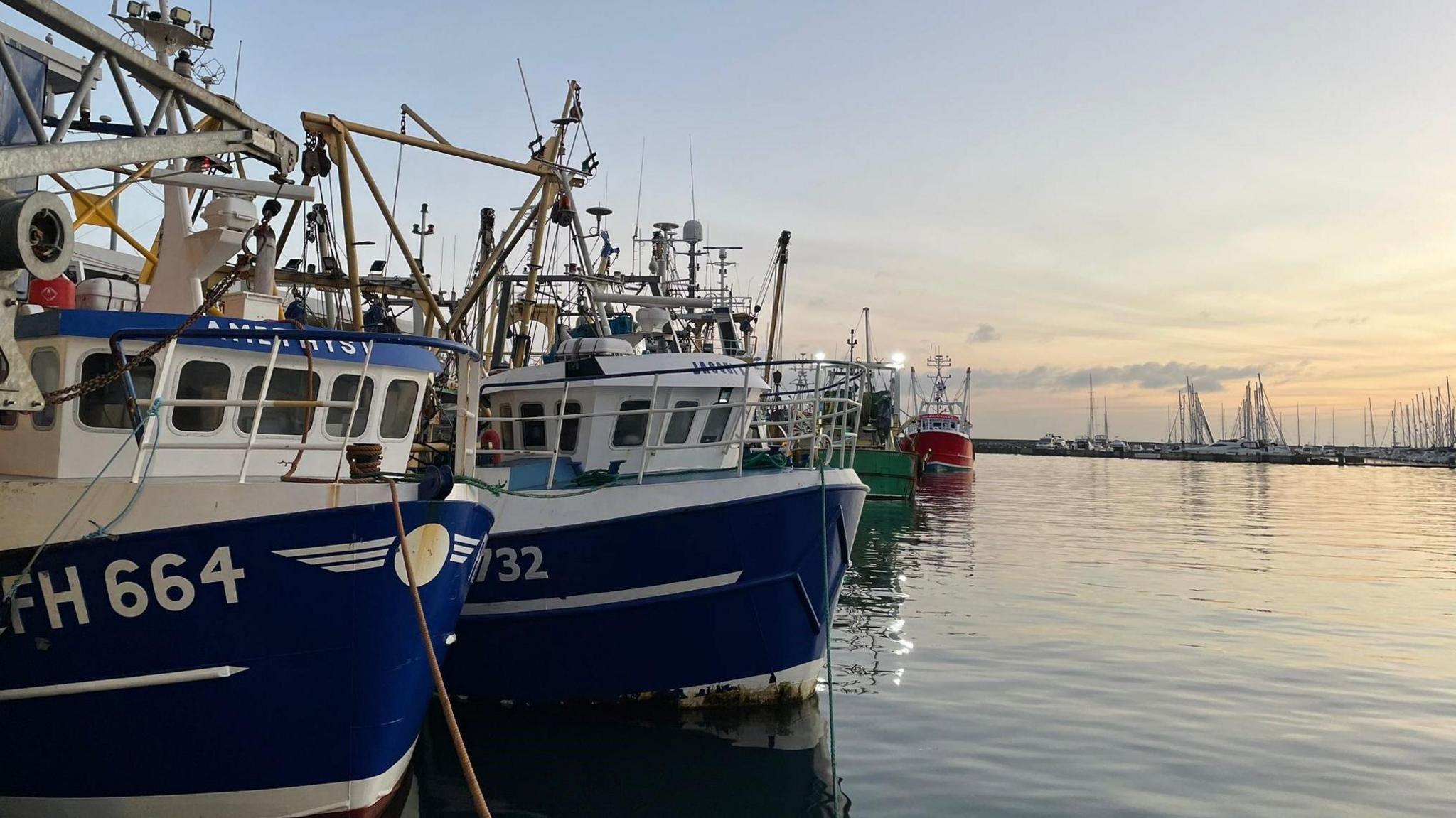
The impact of the marine heatwave extends beyond ecological systems, affecting local economies that rely on fishing and aquaculture. Coastal communities are already witnessing fluctuations in catch volumes and fishery productivity, with shellfish yields declining due to warmer waters and changing currents. This shift could lead to financial strain on industries and require adaptation strategies to maintain sustainability. Additionally, the “extreme marine heatwave expected for parts” may influence tourism, as conditions such as coral bleaching or algal blooms could deter visitors from seaside areas. These socio-economic challenges highlight the need for proactive measures to support vulnerable sectors.
Historical Context and Future Projections
Although the UK has experienced marine heatwaves in the past, this event stands out for its severity and timing. Historical records indicate that such heatwaves were once rare, but recent years have seen a marked increase in frequency and duration. Dr Ségolène Berthou, an air-sea interaction specialist, emphasized that by the end of this century, the “extreme marine heatwave expected for parts” could become the new normal. This projection underscores the urgency of addressing climate change to safeguard marine life and the livelihoods of those who depend on it. Without intervention, the cumulative effects of warming seas may lead to irreversible damage to coastal environments.
Additional reporting by Tom Ingham. For further insights, explore BBC’s coverage of record warm seas and their role in fostering new species in UK waters. Learn about the “Year of octopus” as scientists document unprecedented population growth. A concise overview of climate change is also available, alongside visual data on Europe’s warming climate through seven charts. Subscribe to the Future Earth newsletter for updates on environmental issues, and join the global edition for international perspectives. The Met Office continues to provide real-time monitoring and projections to help prepare for the ongoing climate challenges.