France warns even young people’s health at risk as Europe’s heatwave shifts east

France Warns Young People’s Health at Risk as Heatwave Moves East
Ninoda.com – France has issued urgent health alerts, emphasizing that even young people are not immune to the dangers posed by the intensifying heatwave sweeping across Europe. With temperatures soaring in Italy and expected to exceed 40°C on Monday, officials are urging citizens to adapt their routines. Health Minister Stéphanie Rist highlighted the risks, noting that the extreme heat threatens individuals of all ages, not just the elderly. This growing concern underscores the need for broader awareness and proactive measures to mitigate health impacts.
Heatwave Spreads East, Spurring Warnings
The heatwave, which has already tested Spain, the UK, and France, is now moving eastward, threatening Germany and the Czech Republic. France’s Prime Minister Sébastien Lecornu has raised the health alert to its highest level, aiming to bolster hospital capacity and protect vulnerable groups. Meteorologists in Germany and the Czech Republic have issued severe weather warnings, with temperatures in western and south-western regions projected to reach 40°C by Thursday. The United Nations climate chief, Simon Stiell, has linked these extreme conditions to the climate crisis, calling for accelerated efforts to reduce emissions and build resilience.
As the heatwave progresses, climate change is being cited as a key driver of its intensity. Europe is warming at twice the global average, making such events more frequent and severe. This trend has prompted calls for greater investment in renewable energy, forest conservation, and adaptive infrastructure. The urgency of the situation is reflected in the increased number of health advisories and the heightened risk to all demographics, including those who may underestimate the dangers.
Youth Not Immune to Heatwave Risks
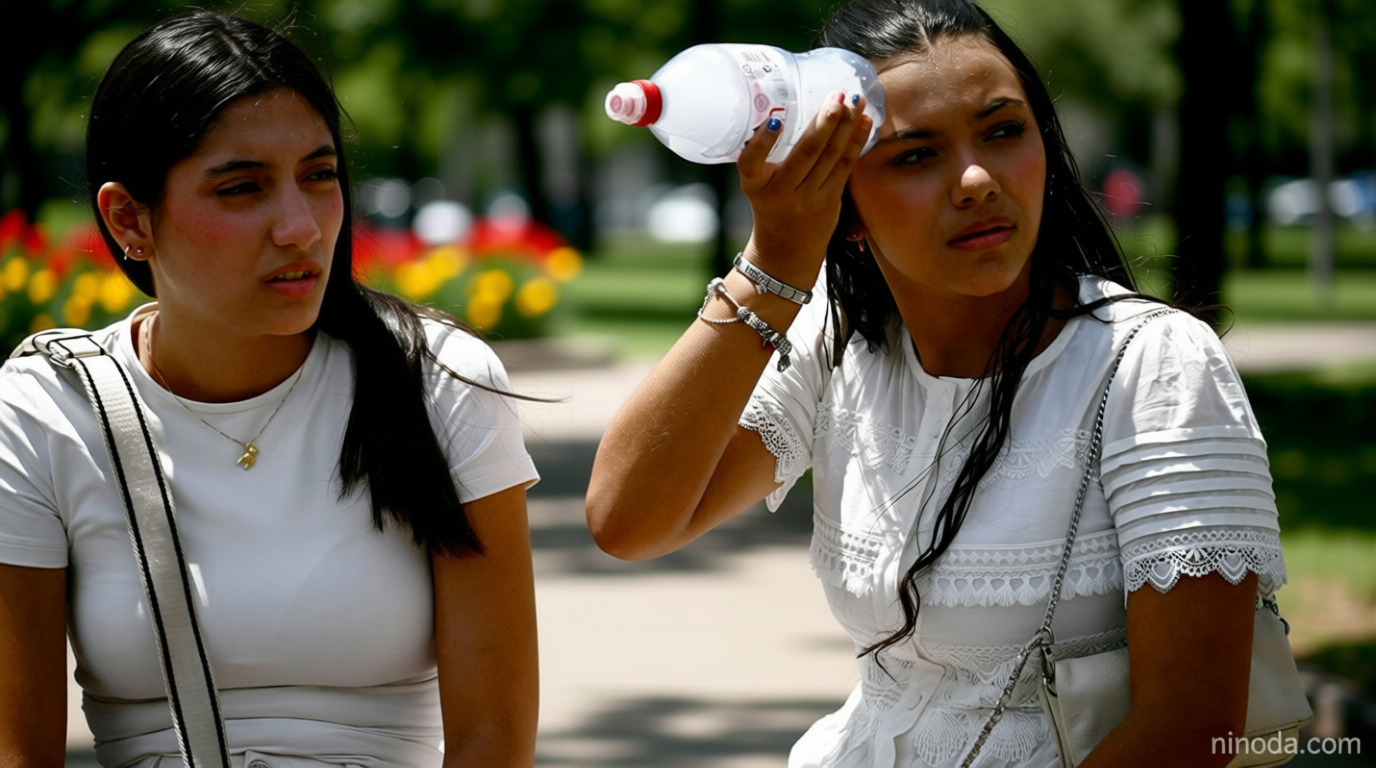
“Even young people are experiencing cardiac complications,” stated France’s Health Minister Stéphanie Rist. Recent reports from Paris’ ambulance services show a fourfold rise in cardiac incidents compared to normal levels over a 24-hour period. Although no confirmed fatalities have been reported, the data suggests that the heat is having a significant impact on younger populations, who may not always recognize the severity of the conditions.
Paris Mayor Emmanuel Grégoire has warned that the city is witnessing a surge in heat-related deaths, urging citizens to take precautions. “We must not assume we are safe,” he said on French television, pointing out that 100 joggers were spotted on the streets late in the evening, which he called “irresponsible.” He encouraged people to rest during peak heat hours, stressing that even the healthiest individuals could be affected. Rist echoed this, advising that activities like cycling should be adjusted to avoid prolonged exposure to high temperatures.
Extreme Temperatures Triggered Tragedies
The heatwave has already claimed lives, with a three-year-old child found dead in a car in the Paris region. This follows earlier incidents in Carpentras, where two young children lost their lives. In Rennes, Professor Louis Soulas, head of the Accident and Emergency department, linked the deaths of five to six individuals at home to the extreme heat, noting that emergency services had to intervene after failing to reach them. Rennes recorded a temperature of 40.6°C on Monday, which was surpassed by 41°C the following day, breaking the previous record set in 2022.
Rist emphasized that the health emergency plan is now in full force, with France’s Orsan system operating at level three to manage the strain on healthcare facilities. In addition to the rising number of heat-related cases, three nuclear plants have shut down due to the high temperatures, highlighting the cascading effects of the crisis. The situation is also prompting discussions about the role of climate change in exacerbating these extreme weather events, as scientists warn of a future where such conditions become more common.
Public Response and Adaptive Measures
Across France, communities are taking steps to combat the heatwave’s effects. Schools have implemented staggered start times to keep students cool, while public cooling centers are being opened in urban areas. Local governments are also urging residents to stay hydrated, avoid prolonged outdoor activity, and monitor weather updates. The health minister reiterated that the impact on young people is a critical concern, as their bodies may not handle prolonged heat as effectively as adults. This has led to increased advocacy for workplace flexibility and school policies that prioritize health over productivity during extreme weather.
With the heatwave expected to persist, officials are working to ensure that the public is well-informed. Social media campaigns, public announcements, and educational materials are being distributed to raise awareness about the risks facing all age groups. As the situation evolves, the focus remains on protecting the most vulnerable, including children, the elderly, and those with pre-existing health conditions. The ongoing crisis serves as a stark reminder of the need for climate adaptation strategies to safeguard public health in the face of rising temperatures.