Jailers and officials at Russia’s ‘torture prisons’ in Ukraine exposed by BBC

BBC Exposes Russia’s ‘Torture Prisons’ in Ukraine: Jailers and Officials Accused
Survivor’s Harrowing Testimony Reveals Brutal Conditions
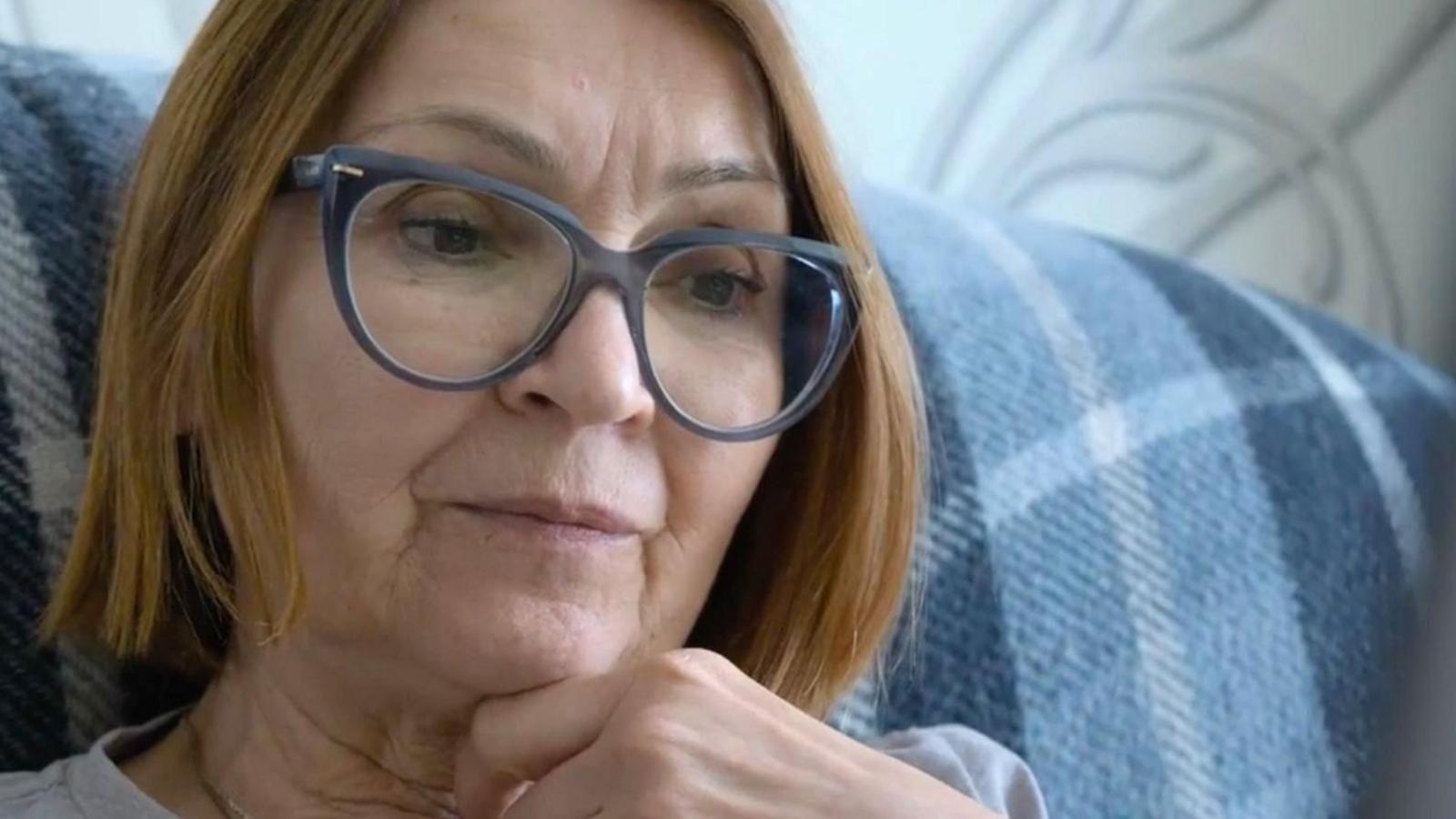
Ninoda.com – Investigative journalism by the BBC has shed light on the systematic abuse carried out by jailers and officials at Russia’s ‘torture prisons’ in Ukraine. Liudmyla Huseinova, a 64-year-old safety engineer, recounted her traumatic experience in 2019 when she was detained in the occupied territories. “The screams I heard were unlike anything I’d ever encountered,” she said, describing the first days at Izolyatsia, a detention center under paramilitary control. Her account underscores the harsh realities faced by civilians in Russia’s secretive system, where torture and sexual violence are reportedly routine.
“For three years and thirteen days, my soul and body were shattered,” Liudmyla explained, reflecting on the ordeal that left her physically and emotionally scarred.
The BBC World Service investigation uncovered the identities of three individuals accused of abusing detainees, including Yurii Temerbek. A former local traffic policeman who later joined Russian-backed separatists, Temerbek—now 56—is depicted in a 2013 photo wearing his uniform. Survivors allege his name, along with others, was revealed as part of efforts to hold perpetrators accountable. The findings highlight a pattern of violence against Ukrainian civilians, with jailers and officials allegedly complicit in their mistreatment.
UN Reports Confirm Systematic Human Rights Violations
According to the United Nations Office of the High Commissioner for Human Rights (OHCHR), the detention system in occupied Ukraine has been marked by “systematic and widespread” abuse. Former detainees describe a range of brutal tactics, including beatings, electric shocks, mock executions, and sexual assault. Many civilians are reportedly detained without clear cause, with families left in the dark about their fates. These practices, which align with Russia’s alleged use of torture prisons, have drawn international condemnation and raised concerns about the treatment of Ukrainian prisoners.
“I have never heard such terrible screams before,” Liudmyla said, recounting her initial days in the facility.
The Kremlin has criticized the OHCHR for bias, dismissing recent allegations of wartime sexual violence as “groundless lies.” However, Ukrainian authorities report over 16,000 civilians have been captured or disappeared since 2014. Some cases date back to the annexation of Crimea, while others emerged during Russia’s full-scale invasion in 2022. The BBC’s findings add to a growing body of evidence implicating jailers and officials in the systematic mistreatment of detainees.
Survivors emphasize that exposing the identities of those responsible is a critical step toward accountability. By naming individuals like Temerbek, the investigation aims to ensure their actions are not forgotten. Liudmyla’s story, among others, illustrates the long-term psychological impact of torture, with many victims struggling to rebuild their lives after being subjected to extreme suffering. The human rights violations in these prisons are part of a broader pattern of abuse by Russian forces in occupied regions.
From Poultry Farm to Prison: A Timeline of Abuse
Before her arrest, Liudmyla worked on a poultry farm in Novoazovsk, a Donetsk city near the Russian border. When Russian-backed forces seized the area in 2014, she began aiding orphans and supplying food to Ukrainian troops. A Ukrainian flag with notes of gratitude, she says, was later shared with friends, potentially linking her to the conflict and leading to her detention. This personal narrative adds depth to the broader allegations against jailers and officials in Russia’s detention system.
“I was targeted because I supported the Ukrainian military,” Liudmyla stated, detailing how her humanitarian efforts became a catalyst for her imprisonment.
Detainees were subjected to relentless physical strain, often forced to stand for 16 hours daily under harsh lighting. Temerbek, who was present during her assault, laughed and mocked her as she was sexually violated by a man known as “Koval” in the prison. Ukrainian officials accuse Temerbek of working for the Donetsk People’s Republic’s Ministry of State Security (MGB), a role he once held in the local police. These connections suggest a coordinated effort by jailers and officials to suppress dissent through torture.
Despite their alleged crimes, the men now live ordinary lives with families in Russia and occupied Ukraine. Survivors view the exposure of their identities as a vital step toward justice, ensuring their names are etched in the memories of future generations. The BBC’s report not only documents individual suffering but also highlights the institutionalized cruelty of Russia’s ‘torture prisons’ and the role of jailers and officials in perpetuating it.
Global Reactions and the Path to Justice
The BBC’s findings have sparked global reactions, with human rights organizations calling for further investigation into Russia’s treatment of Ukrainian prisoners. The report adds weight to existing claims that Russia’s detention system is a key component of its strategy to intimidate civilians. By detailing the experiences of survivors, the investigation provides concrete evidence against jailers and officials, linking their actions to broader war crimes committed in occupied territories.
“This is not just about individual cruelty, but a coordinated system of abuse,” said a human rights lawyer, emphasizing the institutional nature of the crimes.
Ukrainian officials have pressed for international scrutiny, arguing that the detention centers are part of Russia’s campaign to silence opposition. The BBC’s report, which includes interviews with survivors and analysis of official records, offers a compelling case against those in charge of these prisons. As the investigation unfolds, the focus remains on holding jailers and officials accountable for their role in the systematic torture of civilians.