Massive Russian attack on cities across Ukraine kills at least 16 people

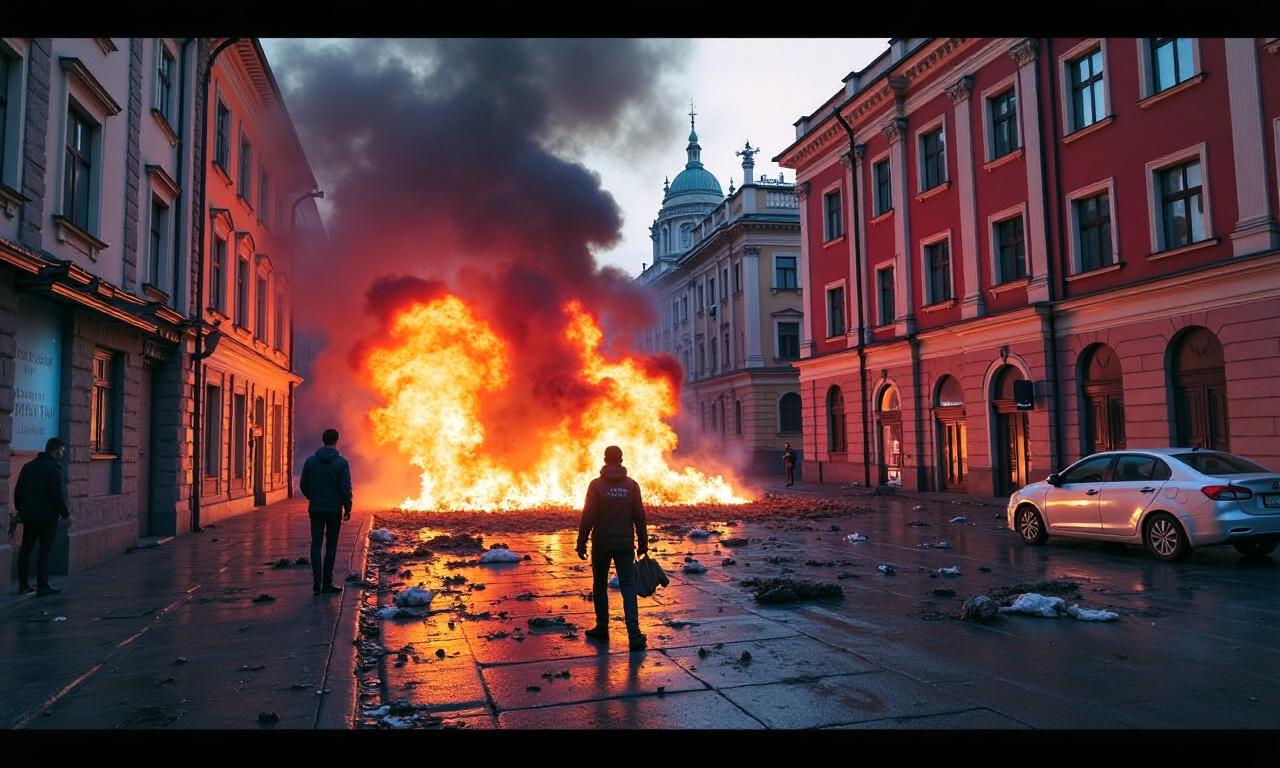
Massive Russian Attack on Ukrainian Cities Results in at Least 16 Fatalities
Ninoda.com – In a significant escalation of hostilities, Russian forces launched a widespread missile and drone assault across multiple cities in Ukraine, leading to the deaths of at least 16 civilians. The attack, which included strikes on residential areas and infrastructure, marked one of the largest operations by Moscow in recent months. Reports indicate that the strikes targeted both civilian and energy facilities, leaving a trail of destruction and injury across the country.
Impact in Dnipro and Kyiv
Regional officials confirmed that 11 lives were lost in Dnipro, with the remains of an eight-year-old boy and a woman recovered from the ruins of an apartment block. A separate child was also killed in the same incident. In Kyiv, the capital, five individuals perished, though the exact locations of the casualties remain under investigation. President Volodomyr Zelensky highlighted the widespread damage, stating that the attacks had specifically aimed at civilian infrastructure and energy systems, resulting in dozens of injuries.
“We are witnessing a coordinated effort to strike both residential areas and critical infrastructure, leaving many citizens injured and displaced,” Zelensky remarked during a televised address.
Residents in affected zones were forced to evacuate their homes as explosions and fires spread rapidly. The president emphasized the severity of the situation, urging citizens to remain vigilant during air raid alerts. “The threat of a massive strike is real, and we must act swiftly to protect our people,” he warned, underscoring the need for urgent international support.
Strategic Context and Russian Justification
Russia’s defense ministry attributed the attacks to a response against recent Ukrainian military actions, claiming that all strike objectives had been accomplished. The statement came after Moscow issued a warning last week about launching “systematic strikes” following an accusation that Kyiv had attacked a student dormitory in an occupied eastern region. Ukrainian officials countered by asserting that the strike had targeted a Russian military unit, aiming to neutralize a threat in the area.
According to Zelensky, the attack on Kyiv was particularly devastating, with dozens of residential buildings and other civilian structures damaged. “This strike focused heavily on the capital, where infrastructure has already taken a significant toll,” he noted. The assault also extended to other parts of the country, including an industrial facility in Zaporizhzhia and energy systems in Kharkiv, a northern city.
“The strike objectives were clear: to cripple our civilian infrastructure and signal the ongoing intensity of the war,” Russia’s defense ministry stated in an official release.
As the conflict continues, Ukraine’s reliance on external military aid has become critical. President Zelensky has repeatedly called for increased support from the United States, specifically mentioning the need for more Patriot system missiles to intercept incoming threats. The U.S. has faced challenges in supplying these weapons due to the concurrent war with Iran, which has strained resources and logistics.
Earlier this year, Trump’s administration paused direct military deliveries to Ukraine, prompting European allies to step in by purchasing interceptors from the U.S. before forwarding them to Kyiv. This shift has raised concerns about the speed and scale of Ukraine’s defensive capabilities, particularly as the number of strikes has surged since the brief ceasefire expired in May.
Details of the Overnight Attack
On Tuesday morning, Zelensky disclosed that Russian forces had deployed 656 strike drones and 73 missiles during the overnight assault, including ballistic, cruise, and anti-ship varieties. The attacks were concentrated in Kyiv, where the city’s military administration confirmed the use of ballistic missiles, prompting Mayor Vitali Klitschko to advise residents to seek shelter. Large plumes of smoke rose from the city center as fires broke out near a petrol station, a construction site, and several apartment blocks.
“The city is under siege again, and we must ensure every citizen knows to take cover during air raids,” Klitschko stated in a public address.
Rescuers working at the scene in Dnipro reported that the attack had “essentially demolished” a section of the apartment building, according to regional governor Oleksandr Hanzha. The recovery of the boy’s body and the woman’s remains underscored the scale of destruction, with additional casualties still being assessed. In Kharkiv, 10 people were injured, including a child, as the city faced similar devastation.
Escalation and International Response
The attack followed a pattern of escalating strikes since the May ceasefire, which had allowed temporary respite for both sides. Prior to this assault, Russia had conducted several rounds of missile and drone attacks on Kyiv, including a devastating strike that killed 24 people in a residential block. Zelensky defended Ukraine’s counterattacks, calling them “entirely justified” in the face of Russian aggression.
Ukrainian officials have criticized Moscow’s threats as “shameless blackmail,” accusing the Russian government of using fear tactics to justify further attacks. Zelensky called on allies to intensify pressure on Russia, emphasizing the need for sustained support to maintain Ukraine’s defensive posture. “The war is far from over, and we must not allow Moscow to dictate the pace of our efforts,” he added.
As the situation unfolds, the focus remains on the human cost and the resilience of Ukrainian communities. The destruction of energy facilities has disrupted power supplies, forcing cities into darkness and complicating efforts to restore normalcy. With each attack, the stakes for both sides continue to rise, highlighting the ongoing struggle for control over Ukrainian territory and resources.
The coordinated nature of the assault suggests a well-planned strategy to weaken Ukraine’s defenses and morale. While the exact timeline of the attacks is still being pieced together, the scale of the operation has drawn attention to the evolving tactics employed by Russian forces. As the conflict enters a new phase, the international community faces the challenge of balancing support for Ukraine with diplomatic efforts to de-escalate tensions.
In summary, the attack has underscored the persistent threat posed by Russian military actions, with devastating consequences for civilian life. The loss of at least 16 people, including two children, has intensified calls for aid and highlighted the urgency of the situation. As cities like Kyiv and Dnipro endure the aftermath, the fight for survival continues, with no signs of the war slowing down in the near future.